

 Salary :
$8,992 - 10,345 monthly
Number of Applicants
:000+
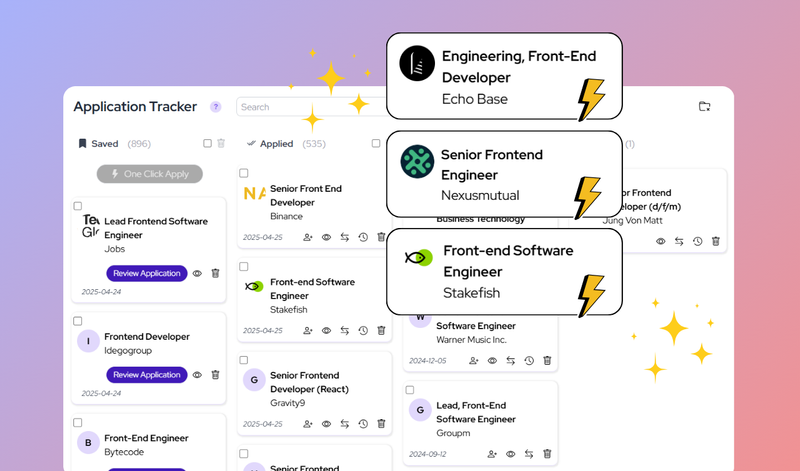
Let AI Supercharge Your Job Hunt!
JobCopilot scans 500,000+ company career sites daily to find jobs for you

 Activate JobCopilot
Advanced Patient-derived 3D Bone Organoids for Personalised Osteoporosis Drug Screening
Fragility fractures remain a major consequence of impaired skeletal health in older adults, frequently resulting in reduced mobility, loss of independence, and long-term disability. While current standards of care provide valuable tools for evaluating skeletal health and fracture risk, they do not fully capture patient-specific biological responses to altered bone remodelling, mechanical loading, inflammation, and pharmacological intervention. Osteoporosis and related age-associated bone disorders are highly heterogeneous, with individuals differing in bone formation capacity, osteoclast activity, inflammatory status, mineralisation dynamics, and mechanoadaptive potential. These biological differences can influence both fracture risk and response to therapy, highlighting the need for human-relevant models that can support more personalised approaches to osteoporosis care.
Building on the dynamic bone organoid culture platform developed in the Laboratory for Bone Biomechanics at ETH Zurich, this project aims to further develop and apply patient-derived 3D bone organoid models for in vitro osteoporosis research and personalised drug screening. The postdoctoral researcher will lead the optimisation of workflows to 3D print patient-derived mesenchymal stromal cells, guide osteogenic differentiation under dynamic mechanical stimulation, coculture with peripheral blood mononuclear cells, and assess donor-specific responses to pharmacological interventions. The resulting organoid models will enable the investigation of osteoporosis-related remodelling, immune-bone interactions, age-related comorbidity effects, and personalised drug-response profiles.
Biological readouts from these models will contribute to predictive modelling frameworks for bone remodelling trajectories, treatment response, and fracture risk, supporting the advancement of precision musculoskeletal care.
The Postdoctoral researcher will interact closely with engineers, clinicians, biologists, computational researchers, to generate robust biological datasets for personalised modelling of bone remodelling drug response, and fracture prevention.
Some key components in the work are:
Applicants should hold a PhD degree in biomedical engineering, or a related discipline.
The candidate should have strong previous experience in tissue engineering, mammalian cell culture, and advanced in vitro model development. Experience with 3D cell culture, organoids, bone or musculoskeletal research, bioreactor-based culture systems, or mechanical stimulation of tissues would be highly advantageous. Experience with human primary cells, mesenchymal stromal cells, peripheral blood mononuclear cells, osteoclast differentiation, immune cell assays, or inflammatory signalling would be considered a strong advantage.
Experience in organoid-based drug screening, pharmacological response assays, or disease modelling. Experience with molecular, histological, imaging, and biochemical techniques, such as immunostaining, microscopy, gene expression analysis, cytokine profiling, mineralisation assays, or osteoclast activity assays, would be advantageous. Experience with computed tomography, image analysis, Python-based data analysis, or quantitative data analysis would be an additional asset.
Candidates should be highly motivated and have a strong interest in skeletal research, precision medicine, and translational in vitro models. They should be able to work independently, coordinate complex experimental workflows, contribute to project planning and deliverables, engage constructively with supervisors and collaborators, and mentor junior researchers where applicable. Applicants must have excellent written and spoken English communication skills. Familiarity with across-cultural and interdisciplinary research environment would be advantageous.
Why SEC is your employer of choice?
The Singapore-ETH Centre is an equal opportunity and family-friendly employer. All candidates will be evaluated on their merits and qualifications, without regards to gender, race, age or religion.
Curious? So are we.
We look forward to receiving your online application with the following documents:
Applications via email or postal services will not be considered.
Work location: 1 Create Way, CREATE Tower, Singapore 138602 (NUS University Town)
Duration: 2 year contract for PostDoc
Further information about The Singapore-ETH Centre can be found on our website: https://sec.ethz.ch/
For further information, please contact: Dr. Chris Steffi (ETH Zurich) at [email protected], (strictly no applications)
ETH SINGAPORE SEC LTD.
Singapore-ETH Centre (SEC) The Singapore-ETH Centre for Global Environmental Sustainability (SEC) was established in Singapore in 2010 as a joint initiative between ETH Zurich and Singapore’s National Research Foundation (NRF), as part of the NRF’s CREATE campus. The SEC is an institution tha...
Read more about the company


GrabJobs is the no1 job portal in Singapore, connecting you to thousands of jobs fast! Find the best jobs in Singapore, apply in 1 click and get a job today!



Copyright © 2026 Grabjobs Pte.Ltd. All Rights Reserved.







 Your email job alert is now active!