The Complete Ireland Salary Guide [year]

Ireland Salary Guide

Are you in the process of looking for a new job in Ireland? Are you unsure of which career will provide a high salary and room for growth?

Our Ireland salary guide breaks down the average salary for some of the most popular jobs in Ireland. We’ll also share some of the most in-demand skills Irish employers are looking for to provide extra guidance as you prepare to send out applications.

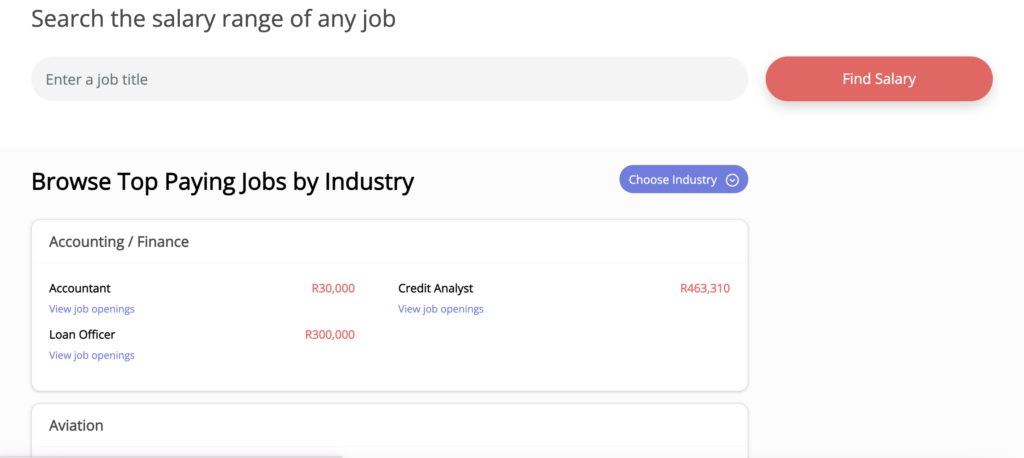
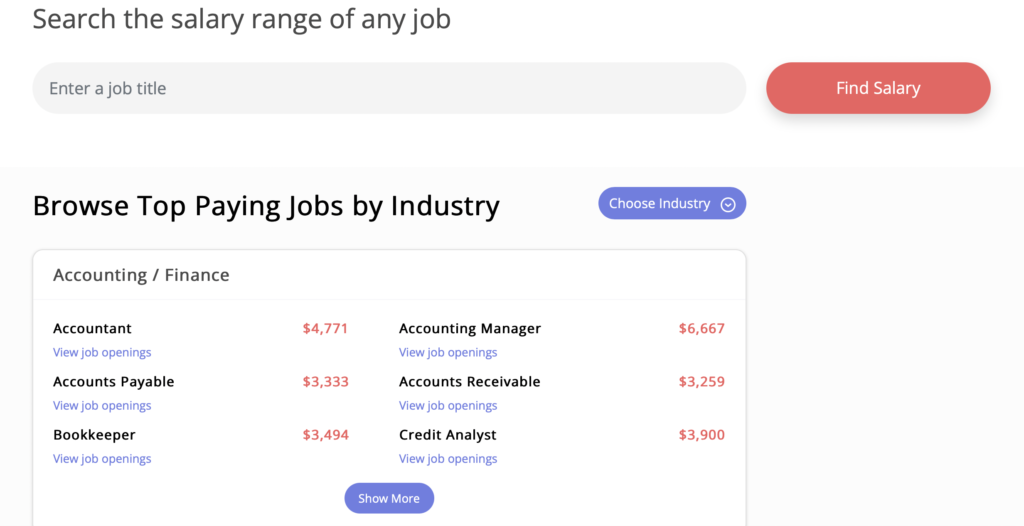
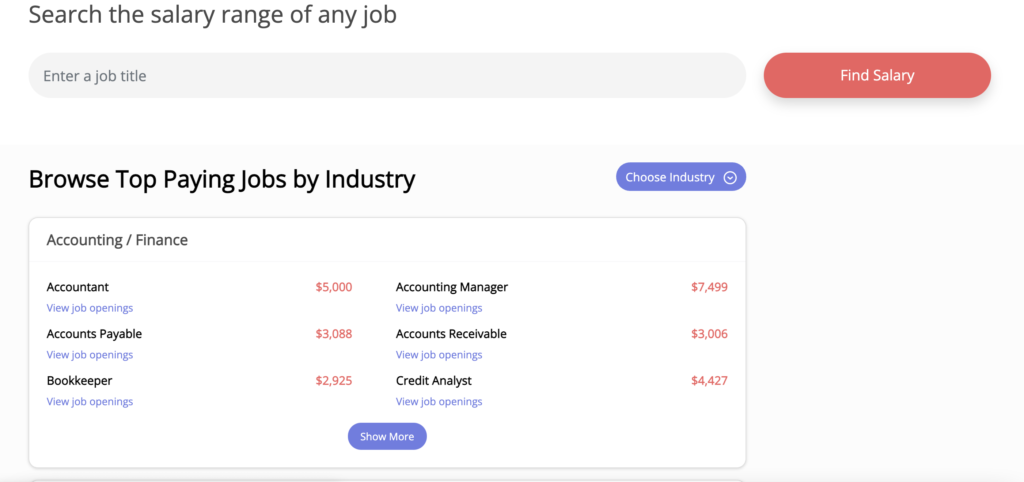
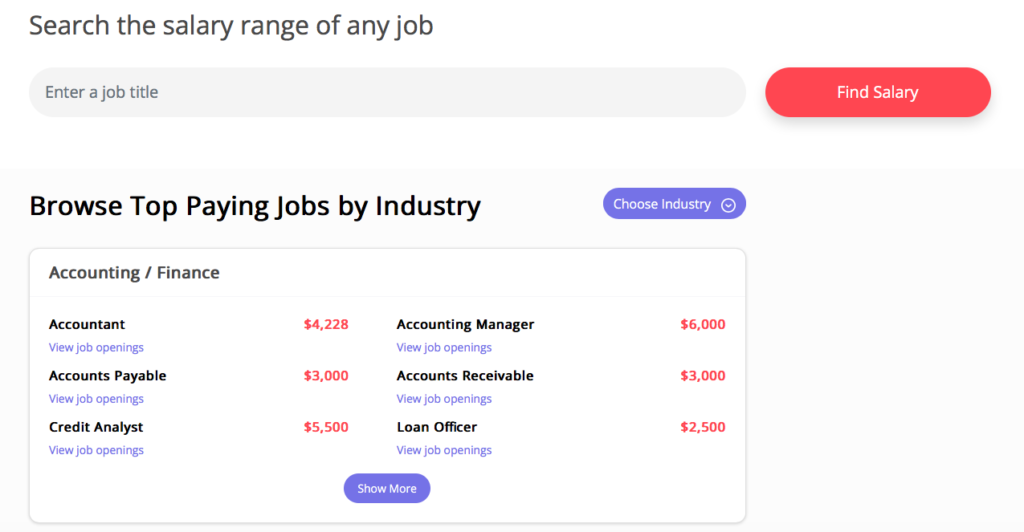
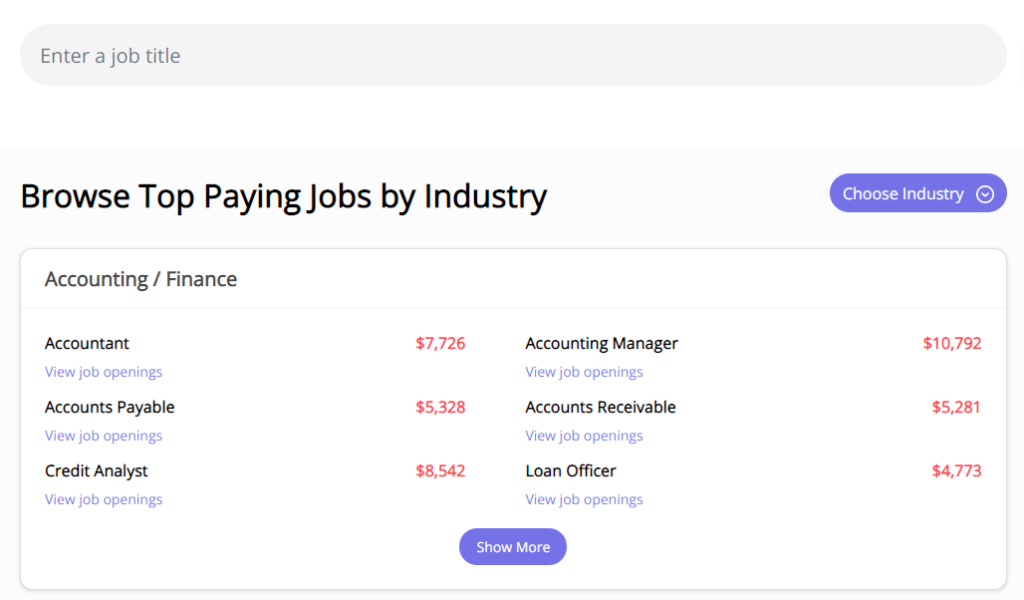
It doesn’t matter if you’re an expat looking for jobs in Ireland or a local trying to make a career switch. Either way, the GrabJobs Ireland Salary Guide Tool will make it easier for you to understand the average salary in Ireland so you know what to expect once you start working here.
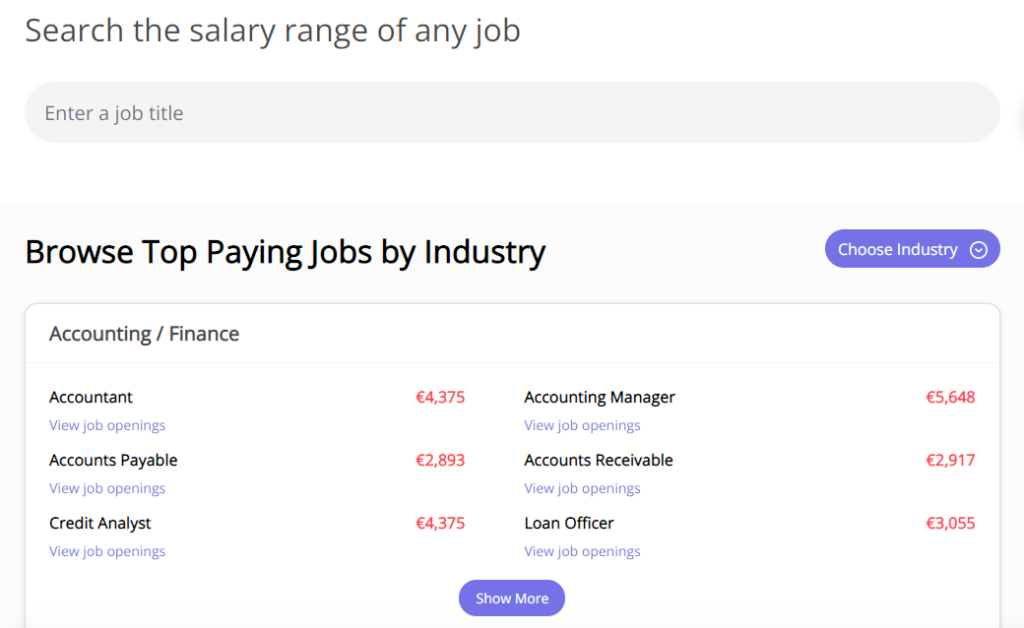
This tool is easy to use and helps Irish job seekers (as well as those who are relocating to Ireland from other countries) find the best-paying jobs in their preferred industry. Job seekers can also use this tool to narrow down job options based on many different criteria, including job type, salary range, skill requirements, and experience requirements.

The Ireland Salary Guide Tool also features links that take job seekers directly to job listings. This allows you to clearly see the details of each position before you spend time applying and submitting a resume or CV.

What Skills Are in High Demand in Ireland in [year]?

Why are we discussing in-demand skills in our Ireland salary guide?

Salaries are often dependent on the skills and overall value that an applicant can bring to a specific company. By developing in-demand skills, you can increase your chances of being hired and have an easier time negotiating a higher salary.

Listed below are 10 of the most high-demand skills you may want to develop in [year], along with guidance on where you can learn them:

Cloud computing is all about providing on-demand access to various computing resources via the internet. As people around the world spend more time online than ever before, the demand for knowledge of cloud computing continues to rise.

Relevant Jobs in Cloud Computing
  • Cloud Architect
  • Back-end Developer
  • DevOps Engineer
Where to Learn Cloud Computing Skills

Online programs like Cloud Academy and Coursera offer lots of courses to help you develop your skills for a job related to cloud computing.

Data analysis involves collecting and analyzing data to identify patterns and extract information. Many companies hire individuals with these skills, from banks to tech companies.

Relevant Jobs
  • Data Analyst
  • Business Analyst
  • Product Manager
Where to Learn Data Analysis Skills

Nightcourses.com is Ireland’s largest search tool for night classes and part-time classes, and it features several options for learning data analysis.

As the tech industry continues to grow in Ireland, the demand for web architecture experts will also continue to increase.

Relevant Jobs
  • Web Architect
  • Business Solutions Architect
  • Software Engineer
Where to Learn Web Architecture Skills

Coursera is one of the best places to go to learn skills related to web architecture.

Because so many businesses are shifting their operations online, cybersecurity professionals are essential to keeping their data (and their clients’ data) safe.

Relevant Jobs
  • Cybersecurity Specialist
  • Cybersecurity Cloud Engineer
  • Compliance Assistant
Where to Learn Cybersecurity Skills

Coursera and EdX offer courses to help you learn cybersecurity skills. Companies like Microsoft offer them, too.

Why are SEO skills in high demand in Ireland? SEO skills make it easier for businesses to expand their presence online and attract more customers. They’re crucial in [year] when so many companies are trying to reach more people online.  

Relevant Jobs
  • Digital Marketing Specialist
  • Content Writer or Copywriter
  • Social Media Marketing Specialist
Where to Learn SEO Skills

Coursera, EdX, and many other platforms offer courses that can help you learn SEO basics and beyond.

Why Marketing Campaign Management Skills Are in High Demand

Plenty of businesses in Ireland need help planning and managing their marketing campaigns. 

Relevant Jobs
  • Marketing Campaign Manager
  • Marketing Analytics Manager
Where to Learn Marketing Campaign Management Skills

Coursera and Udemy offer many marketing campaign management courses, as do universities like Cornell.

Why Recruiting Skills Are in High Demand

As the job market starts to recover in Ireland, many companies are going to be looking to hire new and talented individuals to help with the hiring process. Recruiting skills will come in handy if you want to fill one of these roles.

Relevant Jobs
  • Recruitment Specialist
  • Human Resource Manager
Where to Learn Recruiting Skills

LinkedIn Learning and Monster both offer courses that help you learn about recruiting schools. Cornell University offers online courses, too.

Why Accounting/Finance Skills in High Demand

Lots of businesses need help from financial experts to manage their funds, invest appropriately, and handle issues like tax filing.

Relevant Jobs
  • Accountant
  • Bookkeeper
  • Financial Advisor
Where to Learn Accounting/Finance Skills

LinkedIn Learning and Coursera both offer online courses that teach accounting and finance skills.

Why Language Skills Are in High Demand

Being multilingual is a major strength in [year], especially in Ireland. If you can speak more than one language, you’ll find lots of job possibilities in this country.

Relevant Jobs
  • Translator
  • Tutor or Teacher
  • Liaison Officer
Where to Learn Language Skills

There are various online courses that teach foreign languages, as well as apps like Babbel and Duolingo.

Why Customer Service Skills Are in High Demand

Many positions require basic customer service skills. The more adept you are at working with people, communicating clearly, and resolving problems, the more opportunities will become available to you.

Relevant Jobs
  • Customer Service Representative
  • Customer Service Manager
  • Receptionist or Front Desk Manager
Where to Learn Customer Service Skills

Platforms like Skillshare and Udemy offer a wide range of courses that teach customer service skills.

What Are the Expected Salary Ranges for Jobs in Ireland?

Outlined below are 10 of the most popular jobs in Ireland in [year], complete with expected salary ranges and the top companies that are currently hiring. If you’re not sure what kind of jobs you want to apply for in Ireland, referencing this list can be a good starting point:

Expected Salary Range: 60K to 94K per year

Top Companies Hiring Automation Engineers in Ireland
  • Dell Technologies
  • Mastercard
  • Honeywell
Career Prospects

Lots of tech companies in Ireland are looking to hire automation engineers. There are lots of job openings and there will likely be even more in the future.

Expected Salary Range: 57K to 80K per year

Top Companies Hiring Data Scientists in Ireland
  • Verizon
  • Google
  • Facebook
  • Kraken Digital Asset Exchange
Career Prospects

Many tech companies are expanding their businesses in Ireland, which means there’s more room for talented data scientists and analysts who can assist with various projects.

Expected Salary Range: 32K to 67K per year

Top Companies Hiring Software Engineers in Ireland
  • Edge by Ascential
  • Bank of America Business
  • Workday
Career Prospects

Tech companies and other businesses throughout Ireland can benefit from talented software engineers who can help them turn their visions for various products into realities so they can better serve their customers.

Expected Salary Range: 27K to 62K per year

Top Companies Hiring Web Developers in Ireland
  • SleepScore Labs
  • Travelport
  • Hubspot
Career Prospects

There are lots of opportunities for web developers in Ireland, especially because many companies need help as they shift their operations and offerings online.

Expected Salary Range: 36K to 78K per year

Top Companies Hiring Construction Managers in Ireland
  • Bord Na Mona
  • Amazon
  • Facebook
Career Prospects

Ireland has a high demand (and will likely continue to have a high demand) for construction experts who can oversee various projects and ensure they get done on time and under budget.

Expected Salary Range: 33K to 55K per year

Top Companies Hiring Nurses in Ireland
  • Beaumont Hospital
  • James’s Hospital
  • Windmill Healthcare
Career Prospects

There’s always a strong need for nurses who can properly care for patients and provide support to other healthcare professionals.

Expected Salary Range: 30K to 86K per year

Top Companies Hiring Digital Marketing Specialists in Ireland
  • Property District Ireland
  • Cpl
  • Bingo Loco
Career Prospects

Businesses in Ireland are always hiring digital marketing specialists to expand their reach, attract new customers, and increase their revenue, so there are lots of job opportunities in this field.

Expected Salary Range: 36K to 74K per year

Top Companies Hiring UI/UX Designers in Ireland
  • BlueBridge Technologies
  • Verizon
  • Citi
Career Prospects

Like other tech-related careers, many businesses also need help from UI/UX designers to keep their websites and apps looking good and running properly.

Expected Salary Range: 30K to 56K per year

Top Companies Hiring Financial Advisors in Ireland
  • deVere Group
  • OneLife Insurance
  • Irish Pensions & Finance
Career Prospects

A wide range of individuals and businesses in Ireland can benefit from working with a talented financial advisor who can help them make smart financial decisions for themselves and their companies.

Expected Salary Range: 55K to 68K per year

Top Companies Hiring Quality Assurance Specialists in Ireland
  • Wipro
  • Athletic Greens
  • Dublin Business School
Career Prospects

As businesses in Ireland grow and expand their offerings, there will be a stronger need for quality assurance specialists who can ensure everything is being done correctly and in the most efficient, cost-effective way possible.

What Is the Average Salary Across Industries in Ireland in [year]?

The average salary in Ireland varies based on industry and profession. This table breaks down some of the most popular industries and professions in Ireland and shares the average salary range you can expect if you pursue a career in one of these fields:

Profession

Average Salary in Ireland

Accountant

32K to 86K per year

Finance Manager

52K to 93K per year

Business Development Manager

60K to 110K per year

Chief Executive Officer

180K to 460K per year

Chief Finance Officer

130K to 270K per year

General Manager

90K to 130K per year

Legal Assistant

50K to 77k per year

Customer Service Manager

47K to  91K per year

Human Resource Manager

59K to 96K per year

Construction Manager

32K to 90K per year

Hospitality/Hotel Manager

38K to 85K per year

Tourism/Travel Agent

23K to 31K per year

IT Manager

62K to 93K per year

Graphic Designer

38K to 58K per year

Civil Engineer

31K to 64K per year

Electrical Engineer

51K to 83K per year

Mechanical Engineer

47K to 71K per year

Aerospace Engineer

72K to 110K per year

Architecture Engineer

57K to 75K per year

What Else Should I Know About Salaries in Ireland?

So far, we’ve covered a lot of ground when it comes to the expected salary range in Ireland. Our Ireland salary guide wouldn’t be complete, however, if we didn’t also answer some of the most common questions people ask about salaries and working in Ireland.

The answers to these questions are particularly helpful to anyone planning to relocate to Ireland from another country and want to know what to expect:

What's the Cost of Living in Ireland?

The cost of living in Ireland is slightly higher (9.86 percent) than in other Western countries, like the United States.

The monthly expenses for a family of four are estimated at €3,777.51 (or $4,048.54, not including rent. For a single person, monthly expenses are estimated at €1,093.94 (or $1,172.43), not including rent.

The average rental prices in Ireland are slightly higher than they are in the United States. A one-bedroom apartment in the city center costs €2,054.13 (or $2,201.52), on average, and a one-bedroom apartment outside of the city center costs  €1,784.21 (or $1,912.23), on average.

How Much Will I Pay in Income Taxes?

In Ireland, the first part of your income is taxed at 20 percent. This is the standard rate of tax.

The remainder of your income gets taxed at a higher rate, 40 percent. The amount that you can earn before you start paying the higher rate is known as the standard rate cut-off point.

If you’re a single person, the first €35,300 of your income is taxed at 20 percent. Everything you earn beyond that amount is taxed at a rate of 40 percent.

If you’re married but only have one income, the first €44,300 of your income is taxed at 20 percent. Everything earned beyond that is taxed at 40 percent.

If you’re married and have two incomes, the first €70,600 you earn is taxed at 20 percent, and the rest is taxed at 40 percent. For single-parent households, the first €39,300 is taxed at 20 percent, and the rest of your income is taxed at 40 percent.

What Kinds of Benefits Do Jobs Offer in Ireland?

In Ireland, employee benefits costs account for about one-third of compensation costs. The following are some of the most common benefits Irish companies offer:

  • Continuous learning opportunities
  • Unlimited annual leave
  • Flexible working options
  • Onsite health and wellness services
  • On-site food and catering options
  • Paid maternity and paternity leave

How Should I Negotiate My Salary?

When it comes to negotiating salary in Ireland, the first step is to research what the average salary is for the job you’re applying to. This is where our Ireland salary guide comes in handy. Use the information provided above to ensure you receive a fair offer and are paid well for your skills.                               

It’s always a good idea to ask for a salary on the higher end of the expected range, too. That way, if you have to compromise, you’re still being paid well and aren’t taking too much of a cut.

It’s best to ask for a specific number, as well, rather than giving a range. If you give a range, the employer will almost always pick the lower number (or something close to it).

Final Thoughts on Salaries in Ireland

Hopefully, our Ireland salary guide has given you some insight into the expected salary range in Ireland for the most popular jobs and industries. Keep this information on hand as you begin searching for jobs so you can set realistic expectations and feel more confident throughout the hiring process.

If you need more help finding well-paying jobs in Ireland, don’t forget to use GrabJobs’ AI-powered job search tool. GrabJobs makes it easier than ever for you to streamline your job search and find listings that meet your exact needs.

The Complete UK Salary Guide [year]

UK Salary Guide

The employment rate in the United Kingdom has finally risen to numbers that resemble those from the pre-COVID era. Currently, the country’s employment rate sits at a little over 75 per cent, and it’s expected to reach 76.20 per cent in the year [year].

With employment rates rising, this means more opportunities for job seekers to find well-paying jobs in a variety of industries.

We’ve created other resources for UK-based job seekers in the past, including this one of the 22 Best Job Sites in the UK and this one on the Top 20 Most In-Demand Jobs in the UK. However, before you start searching for jobs, it’s a good idea to have more information on the average salaries for various positions.

This UK salary guide will teach you everything you need to know so you can set clear expectations at the beginning of your job search. 

UK Salary Guide

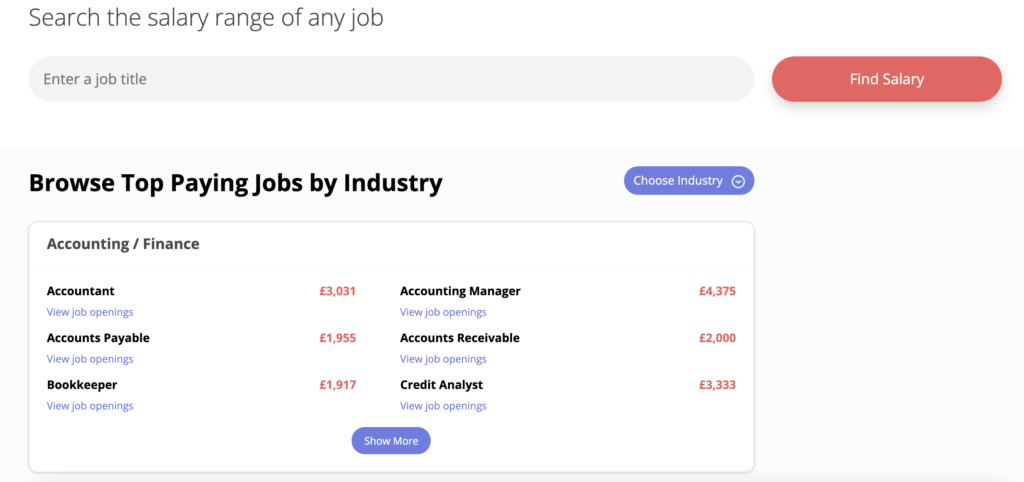
Whether you want to know the average salary in the UK across the board or the average salary for employees in a specific industry, one of the easiest ways to find this information is to check out the GrabJobs Local Salary Guide Tool. 

This tool allows job seekers to easily find top-paying jobs in various industries. They can also search for jobs that offer specific salary ranges so they don’t waste their time applying for jobs that pay too little or don’t check their unique boxes.

What Skills Are in High Demand in the UK in [year]?

Continuing with our UK salary guide, let’s touch on the specific skills that are in high demand in [year].

It’s important to remember that when you’re searching for jobs, that you will often be eligible for higher salaries if you have taken the time to develop certain skill sets. Having specific skills also makes it easier for you to negotiate and get a higher salary after you’ve been offered a job.

Listed below are 10 of the most in-demand skills UK job seekers ought to consider developing in [year] and beyond:

Why SQL Skills Are in High Demand

Structured query language is a programming language. It’s used in a variety of programming-related tasks and is in high demand as the tech sector continues to grow in the UK.

Relevant Jobs
  • Software engineer
  • Business analyst
  • Data analyst
  • Database administrator
Where to Learn SQL Skills

Codecademy, Coursera, and W3Schools all offer programs to help you learn and expand your SQL skills.

Why SEO Skills Are in High Demand

Search engine optimisation plays a key role in helping businesses to expand their online presence and become easier to find on search engine results pages. As more businesses shift their operations and services online, increased visibility is key to their success.

Relevant Jobs
  • SEO specialist
  • Digital marketing specialist
  • Search engine marketing specialist
Where to Learn SEO Skills

Udemy, Skillshare, and Coursera all offer useful, easy-to-understand SEO courses.

Why Foreign Language Skills Are in High Demand

Many businesses in the UK partner with companies from all over the world. This makes multilingual employees very valuable.

Relevant Jobs
  • Translator/interpreter
  • International liaison
  • Teacher
Where to Learn Foreign Language Skills

Apps like Duolingo and Babbel can be very useful when it comes to learning new languages.

Why Project Management Skills Are in High Demand

Project management skills are particularly valuable in the tech industry, as they allow teams to get projects completed faster, more accurately, and more cost-effectively. 

Relevant Jobs
  • Project manager
  • Project director
  • Assistant project manager
Where to Learn Project Management Skills

LinkedIn Learning, Coursera, and EdX all offer high-quality, detailed project management courses.

Why Customer Service Skills Are in High Demand

Customer service always matters, but in 2022, it will become even more important as businesses begin to grow and recover from the effects of the COVID-19 pandemic. 

Relevant Jobs
  • Customer service representative
  • Customer service manager
  • Salesperson
Where to Learn Customer Service Skills

LinkedIn Learning and Hubspot both offer useful courses to help you sharpen your customer service skills.

Why Sales Skills Are in High Demand

High sales numbers are necessary for any business to succeed. If you are a good salesperson, you will be a valuable asset to virtually any company. 

Relevant Jobs
  • Sales associate
  • Retail sales associate
  • Sales manager
Where to Learn Sales Skills

MasterClass and Udemy both offer useful courses to help you improve your sales skills.

Why Business Analysis Skills Are in High Demand

Business analysts collect and analyze data to help businesses make wise decisions for the future. For businesses that want to be successful long-term, a skilled business analyst can be a very valuable employee.

Relevant Jobs
  • Business analyst
  • Data analyst
  • System analyst
Where to Learn Business Analysis Skills

LinkedIn Learning and Coursera both offer impressive, detailed business analysis courses.

Why Graphic Design Skills Are in High Demand

Graphic designers can help businesses of all kinds create impressive logos, marketing images, social media graphics, and more.

Relevant Jobs
  • Graphic designer
  • Web designer
  • Creative director
Where to Learn Graphic Design Skills

Coursera and EdX are great platforms to check out if you’re looking to expand your graphic design knowledge.

Why UI/UX Design Skills Are in High Demand

UI/UX design is all about making websites, software, and apps more functional and easier to navigate. With so many businesses launching or updating their digital offerings, there’s a greater demand for skilled UI/UX designers.

Relevant Jobs
  • UI/UX designer
  • UI/UX developer
  • Web developer
  • App developer
Where to Learn UI/UX Design Skills

Coursera and Designlab both offer extensive UI/UX design courses. 

Why Financial Management Skills Are in High Demand

Businesses of all kinds need assistance from accountants, bookkeepers, financial advisors, and other money-savvy professionals that can help them keep their finances in order.

Relevant Jobs
  • Bookkeeper
  • Accountant
  • Financial advisor
  • Financial analyst
Where to Learn Financial Management Skills

Coursera and The Great Courses both offer useful financial management courses to help you learn and further develop your skills.

What Are the Expected Salary Ranges for the Jobs in the United Kingdom?

The average salary in the UK for a full-time employee is £31,461, according to the latest data. However, the average salary that you earn as a job seeker can vary quite a bit depending on the specific job you decide to pursue.

To help you gain more insight into the salary you can expect to earn once you start working, outlined below are 10 of the most popular jobs in the UK, complete with salary information, companies that are currently hiring, and career prospects.

  • Expected Salary Range: £17K to £21K per year
  • Top Companies Hiring Personal Care Workers in the UK: Care UK, Trinity Home Care, Join Social Care
  • Career Prospects: As the population in the UK continues to age, there will be a growing demand for personal care assistants who can help these individuals to feel their best and enjoy a higher quality of life, so prospects look good now and in the future.
  • Expected Salary Range: £22K to £36K per year
  • Top Companies Hiring Nurses in the UK: CPL, Mayo Clinic, HST
  • Career Prospects: Whether or not there’s a pandemic going on, there will always be a need for nurses who can assist physicians and surgeons and ensure patients are well cared for. Prospects look very good in 2022 for nurses and nursing students.
  • Expected Salary Range: £24K to £38K per year
  • Top Companies Hiring Social Workers in the UK: East Sussex County Council, Elysium Healthcare, Cambridgeshire County Council
  • Career Prospects: Similar to careers in nursing, there is (and likely always will be) a strong need for social workers who can support and represent those who are vulnerable and in need. Because of this, career prospects look promising for social workers now and in the future.
  • Expected Salary Range: £18 to £39K per year
  • Top Companies Hiring Web Developers in the UK: Evoluted, University of Southampton, Xplor
  • Career Prospects: The tech industry is growing rapidly in the UK and throughout the world, and so is the demand for skilled web developers who can help businesses expand their offerings. Prospects look great for those interested in pursuing this type of career.
  • Expected Salary Range: £27K to £71K per year
  • Top Companies Hiring in the UK: Mott MacDonald, Atos, Barclays
  • Career Prospects: There’s a strong demand for project managers, particularly for businesses in the tech industry, that can help team members get tasks done efficiently and cost-effectively, so it’s definitely worth it to pursue this type of career in 2022. 
  • Expected Salary Range: £17K to £30K per year
  • Top Companies Hiring in the UK: EllisKnight, Loughborough University, Compass Group
  • Career Prospects: Virtually every business in the UK (and the rest of the world) needs help from skilled customer service assistants to ensure customers are well cared for and receive the help they need as quickly as possible. There are lots of options for people with customer service skills, so prospects for this job look good moving forward.
  • Expected Salary Range: £49K to £71K per year
  • Top Companies Hiring in the UK: Flexible Working People, Morgan Spencer, haart Estate Agents
  • Career Prospects: There are lots of opportunities for property managers as the real estate market expands throughout the UK. If you have a background in property management and don’t have issues working with tenants on a daily basis, there are lots of opportunities for you in the UK and beyond.
  • Expected Salary Range: £12K to £33K per year
  • Top Companies Hiring in the UK: Warner Media, Square, CDSR
  • Career Prospects: There’s always a need for talented salespeople who can help companies convert leads and increase revenues. Job prospects for those with a sales background (as well as those who have an eagerness to learn the ropes) look very good in 2022.
  • Expected Salary Range: £25K to £100K per year
  • Top Companies Hiring in the UK: Matchtech, Liverpool Airport Limited, Esken
  • Career Prospects: There’s a growing demand for air traffic controllers in the UK, especially as travel starts to pick up and airports become busy once again. Prospects look promising for those who want to pursue this exciting and lucrative career in 2022.
  • Expected Salary Range: £20K to £67K per year
  • Top Companies Hiring in the UK: Arch Europe Insurance Services, AIG, Nationwide Broker Services
  • Career Prospects: There are lots of opportunities throughout the UK for insurance underwriters. If you’re looking for a promising career with plenty of room for growth, this is a great option to consider.

What Is the Average Salary Across Industries in the UK in [year]?

Are you still curious about the expected salary range in the UK for various professions? Did you not see one of your preferred jobs listed above?

If so, this table can provide more insight. Broken down below are the average salaries for well-known jobs across a variety of industries:

Profession

Average Salary in the UK

Accountant

£19K to £49K per year

Finance Manager

£26K to £59K per year

Sales Manager

£21K to £51K per year

Business Development Manager

£24K to £56K per year

Chief Executive Officer

£36K to £160K per year

Chief Finance Officer

£57K to £180K per year

General Manager

£31K to £100K per year

Legal Assistant

£15K to £26K per year

Customer Service Manager

£20K to £42K per year

Human Resource Manager

£26K to £50K per year

Construction Manager

£30K to £66K per year

Hospitality/Hotel Manager

£20K to £49K per year

Tourism/Travel Agent

£12K to £30K per year

IT Manager

£27K to £65K per year

Graphic Designer

£18K to £31K per year

Civil Engineer

£23K to £47K per year

Electrical Engineer

£22K to £49K per year

Mechanical Engineer

£22K to £47K per year

Aerospace Engineer

£26K to £58K per year

Architecture Engineer

£74K to £96K per year

What Else Should I Know About Salaries in the UK?

In addition to understanding the expected salary range in the UK for various jobs, there are other details you ought to take into account when searching for work in this country, from information on the cost of living to tax rates.

Answered below are some of the most frequently asked salary-related questions from people looking for work in the UK:

What Is the Cost of Living in the UK?

The cost of living in the United Kingdom is lower than it is in 47 per cent of Western European countries. However, it is also more expensive to live here than it is to live in 82 per cent of countries throughout the world.

For a family of 4, monthly costs are estimated at £3,563. For a single person, monthly costs are estimated at around £2,007.

How Much Will I Pay in Income Taxes?

Income tax rates in the UK vary depending on how much you earn per year. They’re currently broken down as follows:

  • Up to £12,570: 0 per cent
  • £12,571 to £50,270: 20 per cent
  • £50,271 to £150,000: 40 per cent
  • £150,000 and over: 45 per cent

It’s important to note that Scotland has different tax brackets than the rest of the UK. They are as follows:

  • Up to £12,570: 0 per cent
  • £12,571 to £14,667: 19 per cent
  • £14,668 to £25,296: 20 per cent
  • £25,297 to £43,662: 21 per cent
  • £43,663 to £150,000: 41 per cent
  • £150,000 and over: 46 per cent

What Benefits Do Employers in the UK Offer?

Full-time employees at various jobs in the UK are all entitled to specific benefits, including the following:

  • Statutory Sick Pay
  • Holiday Pay
  • Statutory Leave and Pay for Maternity, Paternity, and Adoption
  • Statutory Redundancy Pay

Many employers also offer additional benefits, such as discounted meals, dental care plans, and free or subsidised travel.

How Do I Work in the UK as a Foreigner?

Before you can legally work in the UK, you’ll need to apply for a work visa.

To qualify for a work visa, you’ll need to have received a job offer from a UK-based employer. Your potential employer must be approved by the country’s Home Office and must also be on its list of eligible employers.

UK Salary Guide: Final Thoughts

Hopefully, our UK salary guide provides everything you need to know to feel informed and confident in your job search. Keep this information in mind so you have a clear understanding of what you can expect to be paid in various positions (and make sure you’re being paid fairly).

If you need more help finding jobs in the UK, check out the GrabJobs search tool today. It makes it easy for you to look for jobs based on a variety of criteria, including salary ranges, experience and skill requirements, and more.

The Complete South Africa Salary Guide [year]

South Africa Salary Guide

In 2020, South Africa’s employment rate hit a startling low of 36.25 percent. It started to recover in 2021, rising to 38 percent and is expected to continue improving in 2022. Experts forecast an employment rate of 41.30 percent in 2022 and 43 percent in 2023.

For those who have been searching South African job sites and looking for in-demand jobs in this country, things are finally starting to look up. Before you start applying for the highest-paying jobs in South Africa, though, it’s important to have a more thorough understanding of the average salary here so you can set realistic expectations.

This South Africa salary guide will teach you everything you need to know about the average salary in South Africa, as well as the skills you need to develop to increase your chances of getting hired in [year].

South Africa Salary Guide

One of the easiest ways to learn about the average salary in South Africa (or in any other country, for that matter) is to use the GrabJobs Local Salary Guide Tool.

This tool allows you to learn the average salary range for various jobs throughout South Africa. It also provides links to job listings so you can easily apply for the positions that interest you. 

Using the GrabJobs Local Salary Guide Tool will help you to streamline your job search and avoid applying for jobs that pay less than what you want to earn. It can also help you know what to expect (as far as salaries go) when you start searching for job listings in your area.

What Is The Average Salary in South Africa?

The average salary in South Africa is approximately 683,421 ZAR per year. However, the most typical salary in South Africa is 245,409 ZAR per year. 

An employee’s expected salary range in South Africa can, understandably, vary quite a bit depending on the position they hold and the amount of experience they have in a specific field. 

To help you get a better understanding of what you can expect to earn in South Africa, here’s a breakdown of some of the most popular jobs in South Africa, complete with average salary ranges, top companies hiring, and career prospects: 

What Are The Expected Salary Ranges For Jobs In South Africa?

  • Expected Salary Range: R 140K to R 550K per year
  • Top Companies Hiring in South Africa: Amazon, Yellow, Takealot
  • Career Prospects: The tech industry is growing rapidly in South Africa (and throughout the world), so prospects look great for developers who can help businesses grow and become more modernized.
  • Expected Salary Range: R 49K to R 237K per year
  • Top Companies Hiring in South Africa: Double Bloom, Wagworld, Giordano South Africa
  • Career Prospects: There will always be a need for skilled sales reps across all industries. Because of this, prospects for this career look promising now and in the future.
  • Expected Salary Range: R 180K to R 3.6M per year 
  • Top Companies Hiring in South Africa: The Hunted, Ello Recruitment, Old Mutual South Africa
  • Career Prospects: Financial advisors can be valuable team members to businesses of all kinds, and they can also help individuals looking for investment guidance, so there’s a lot of opportunity throughout South Africa for these professionals.
  • Expected Salary Range: R 120K to R 460K per year
  • Top Companies Hiring in South Africa: Shotcrete Africa, Infobip, Mazars in South Africa
  • Career Prospects: As is the case for financial advisors, there’s a lot of demand for accountants who can help businesses and individuals handle their money and stay on top of everyday money management-related tasks.
  • Expected Salary Range: R 170K to R 690K per year
  • Top Companies Hiring in South Africa: Intercon, AECOM, Tumaini Consulting
  • Career Prospects: South Africa has growing infrastructure demands, which means there are lots of opportunities for civil engineers to contribute and make a name for themselves within the industry.
  • Expected Salary Range: R 170K to R 690K per year
  • Top Companies Hiring in South Africa: LCL Construction, Innovtech Projects, Ultimate Dynamic
  • Career Prospects: There’s a growing demand for construction workers to assist with various projects in South Africa. There’s also a strong need for construction managers who can oversee these teams and ensure projects are handled correctly.
  • Expected Salary Range: R 345K to R 4.1M per year
  • Top Companies Hiring in South Africa: City Property Administration, Cederburg Municipality, Kheeran Group
  • Career Prospects: As more construction projects take place throughout South Africa, there will also be a stronger demand for building inspectors to ensure everything was designed and built properly, so prospects for this career look very good.
  • Expected Salary Range: R 73K to R410K per year
  • Top Companies Hiring in South Africa: NSC Global, Initiate International, Pro Talent
  • Career Prospects: As the economy recovers and businesses continue to grow in South Africa, recruiters will play an important role in streamlining the hiring process and helping companies find the right people for each job opening.
  • Expected Salary Range: R 130K to R 580K per year
  • Top Companies Hiring in South Africa: Salt South Africa, Carlysle, Magnetic Creative
  • Career Prospects: Marketing specialists will play a key role in 2022 and beyond when it comes to helping businesses expand their reach, build a bigger audience, and increase conversions. 
  • Expected Salary Range: R 59K to R 260K per year
  • Top Companies Hiring in South Africa: Amazon, Webhelp, Clickatell, Ciazcon
  • Career Prospects: Growing businesses throughout South Africa can benefit from skilled customer support specialists to help them keep customers happy and loyal, so prospects for jobs in this field look very good moving forward.

What Is the Average Salary Across Industries in South Africa in [year]?

Beyond these common careers in South Africa, you may also be interested in learning more about the expected salary range in South Africa for other professions in various industries. This table details the average salary range for several different positions:

Profession

Average Salary in South Africa

Accountant

R 120K to R 460K per year

Finance Manager

R 65K to R 130K per year

Sales Manager

R 250K to R 900K per year

Business Development Manager

R 180K to R 840K per year

Chief Executive Officer

R 86K to R 260K per year

Chief Finance Officer

R 290K to R 2.5M per year

General Manager

R 120K to R 1.2M per year

Legal Assistant

R 49K to R 370K per year

Customer Service Manager

R 140K to  R 600K per year

Human Resource Manager

R 170K to R 760K per year

Construction Manager

R 450K to R 914K per year

Hospitality/Hotel Manager

R 16K to R 280K per year

Tourism/Travel Agent

R 16K to R 240K per year

IT Manager

R 180K to R 950K per year

Graphic Designer

R 78K to R 300K per year

Civil Engineer

R 170K to R 690K per year

Electrical Engineer

R 150K to R 810K per year

Mechanical Engineer

R 160K to R 720K per year

Aerospace Engineer

R 290K to R 1.5M per year

Architecture Engineer

R 379K to R 660K per year

What Else Should I Know About Salaries in South Africa?

Our South Africa salary guide wouldn’t be complete if we didn’t also address some frequently asked questions regarding salaries in South Africa. Discussed below are some other important matters to consider when looking for a job in this country:

What Is the Cost of Living in South Africa?

The cost of living in South Africa is quite a bit lower than it is in other parts of the world. In fact, it’s cheaper to live here than 54 percent of other countries.

However, South Africa is also the most expensive African country to live in, so those who are planning to move here from other parts of the continent should keep that in mind.

The estimated monthly expenses for a family of 4 in South Africa is R 39,884. For a single person, estimated monthly expenses are around R 20,050.

How Much Will I Pay In Income Taxes in South Africa?

Income tax rates in South Africa vary depending on one’s total income for the year. In the [year] tax year, tax brackets will be divided as follows:

  • R 1 to R 216,200: 18 percent of taxable income
  • R 216,201 to R 337,800: R 38,916 + 26 percent of taxable income above R 216,200
  • R 337,801 to R 467,500: R 70,532 + 31 percent of taxable income above R 337,800
  • R 467,501 to R 613,600: R 110,739 + 36 percent of taxable income above R 467,500
  • R 613,601 to R 782,200: R 163,335 + 39 percent of taxable income above R 613,600
  • R 782,201 to R 1,656,600: R 229,089 + 41 percent of taxable income above R 782,200
  • R 1,656,601 and above: R 587,593 + 45 percent of taxable income above R 1,656,600

What Benefits Do South African Employers Offer?

For full-time employees, South African employers are required to provide the following benefits:

  • Unemployment insurance contributions
  • Skills development levy contributions
  • Compensation for occupational injuries and diseases

Many employers offer additional benefits, too, such as paid leave or healthcare coverage.

How Can I Work In South Africa As A Foreigner?

If you’re looking for jobs in South Africa as a foreigner, you’re likely wondering what kinds of permits you need to legally work in this country. Foreign workers in South Africa need a valid work visa.

To get a work visa, they must have first received a job offer from a potential employer. Furthermore, they cannot start working until they’ve received said visa. 

The only exception to this rule is those who receive a critical skills work visa. This visa is for those who have skills that have been deemed critical and needed in South Africa to boost the country’s economy.

South Africa Salary Guide: Final Thoughts

Hopefully, our South Africa salary guide was helpful to you and will make your job search easier. Keep this information in mind so you can find options for jobs in South Africa that provide a good salary and a strong sense of security.

If you need more help finding jobs in South Africa, check out the free GrabJobs search tool. Like our salary guide tool, this feature makes it easy for you to find listings in your area that check all your boxes. Give it a try today.

The Complete Canada Salary Guide [year]

Canada Salary Guide

After plummeting in 2020 in the wake of the COVID-19 pandemic, Canada’s employment rate has gradually risen throughout the year [year], reaching a peak of 60.90 percent in September. 

This number is expected to hold steady in [year], and experts do not anticipate any steep drops in the coming year, which is good news for Canadians who have concerns about their job security. As for Canadians who are currently perusing the country’s job sites and looking for in-demand jobs, there are lots of opportunities becoming available.

It’s important to note, though, that the average salary range for Canada’s most in-demand jobs will vary quite a bit depending on factors like job type, experience and skill requirements, and industry.

For those who are wondering what they can expect to earn in [year], this Canada salary guide will answer all your most pressing questions, from a breakdown of the most in-demand skills to the average salary in Canada for various positions.

Canada Salary Guide

If you want to easily learn about the average salary for a particular career in Canada, be sure to check out our GrabJobs Local Salary Guide Tool.

This tool provides insight into the top-paying jobs for various industries. It also allows you to explore the salary ranges for specific jobs and find other information that might not be readily available on other platforms.

The GrabJobs Local Salary Guide Tool is easy to use and provides you with the information that you need right away. For those who want to quickly gauge how much a particular job pays, without having to wade through a bunch of unhelpful or irrelevant details, this is the perfect solution.

What Skills Are in High Demand in Canada in [year]?

When it comes to landing jobs in Canada and earning a fair salary, it’s important to consider the skills you bring to the table. Generally speaking, the more in-demand skills you have developed (or are working to develop), the more valuable you’ll be to potential employers, and the easier it’ll be for you to negotiate a higher starting salary.

Not sure what you should be working on? Listed below are some of the top skills that are in high demand in Canada in [year]:

Why Cloud Engineering Skills Are in High Demand

Cloud engineering specialists are responsible for handling a variety of technical duties related to cloud computing, such as design, planning, and management.

Relevant Jobs
  • Cloud architect
  • Cloud developer
  • Cloud computing consultant
  • Software engineer
Where to Learn Cloud Engineering Skills

Platforms like Cloud Academy and Linkedin Learning are some of the best options for learning cloud engineering skills from home.

Why Artificial Intelligence Skills Are in High Demand

Artificial intelligence technology plays a key role in helping businesses within a variety of industries to expand and increase their profitability. From healthcare to retail, all kinds of companies are looking to hire artificial intelligence experts. 

Relevant Jobs
  • Machine learning engineer
  • Data science engineer
  • Artificial intelligence researcher
  • Artificial intelligence engineer
Where to Learn Artificial Intelligence Skills

Platforms like DataCamp and Coursera provide lots of courses that teach a variety of artificial intelligence and machine learning skills. 

Why UI/UX Development Skills Are in High Demand

User Interface (UI) and User Experience (UX) are both essential to helping websites, applications, and software programs for various businesses run smoothly.

Relevant Jobs
  • UI/UX developer
  • UI/UX designer
  • UI/UX director
Where to Learn UI/UX Development Skills

You can learn a lot of UI/UX development skills with the help of online courses available through Coursera and Udemy.

Why Mobile Application Development Skills Are in High Demand

Just about every business wants to create an app to expand its offerings and reach more people. If you have the skills needed to develop and launch these apps, you’ll prove yourself to be a very valuable employee.

Relevant Jobs
  • Mobile app developer
  • Android developer
  • iOS developer
  • App development engineer
Where to Learn Mobile Application Development Skills

You can learn a lot about mobile app development through online courses like Skillshare and Coursera.

Why Digital Marketing Skills Are in High Demand

Digital marketing is the way of the future, and many businesses are looking to build or expand their digital marketing strategies. Digital marketing experts can streamline these processes and help companies see results faster.

Relevant Jobs
  • Digital marketing specialist
  • SEO/SEM specialist
  • Digital marketing manager
Where to Learn Digital Marketing Skills

There are lots of platforms you can use to learn digital marketing skills, including SEMRush and Hubspot. 

Why Computer Animation Skills Are in High Demand

Good computer animation leads to better-designed websites, apps, and software programs. It’s a must for improving the user experience and increasing businesses’ conversion rates.

Relevant Jobs
  • 3D animator
  • Animation engineer
  • Technical designer
  • Animation programmer
Where to Learn Computer Animation Skills

Udemy, Coursera, and Future Learn all offer a variety of courses that teach computer animation skills.

Why Software Testing Engineering Skills Are in High Demand

Software testing engineers ensure programs are working properly and are ready to be launched for customers to purchase and use. They play a key role in the quality assurance process.

Relevant Jobs
  • Software testing engineer
  • Software engineer
  • QA test engineer
Where to Learn Software Testing Engineering Skills

Coursera, Udemy, and Linkedin Learning all offer courses that can help you become a software testing engineer.

Why Data Science Engineering Skills Are in High Demand

Data science engineers focus on collecting and analyzing data that can help businesses run more smoothly and create better products in the future.

Relevant Jobs
  • Data scientist
  • Data science engineer
  • Data analyst
Where to Learn Data Science Engineering Skills

Platforms like Simplilearn and Coursera offer lots of courses that teach a variety of data science engineering skills. 

Why Cybersecurity Skills Are in High Demand

As more businesses begin to move their offerings and operations online, the need for heightened cybersecurity will continue to grow.  

Relevant Jobs
  • Cybersecurity analyst
  • Compliance analyst
  • Service desk technician
Where to Learn Cybersecurity Skills

Udemy, EdX, and Pluralsight all offer online courses to teach cybersecurity skills. 

Why Business Intelligence Skills Are in High Demand

Business intelligence professionals must understand and implement a variety of strategies and technologies used for data analysis. They use these techniques and tools to gain an understanding of the business’s operations and how they can improve.

Relevant Jobs
  • Management analyst
  • Computer systems analyst
  • Market research analyst
  • Financial analyst
Where to Learn Business Intelligence Skills

There are lots of platforms you can use to learn business intelligence skills, such as EdX and Coursera.

What Are the Expected Salary Ranges for the Jobs in Canada?

These skills open the door to a variety of well-paying jobs throughout the country. If you’re looking for information on the average salary in Canada for popular jobs, this list can help. Here are 10 popular jobs that are expected to see a lot of growth in [year], complete with salary breakdowns and information on career prospects: 

  • Expected Salary Range: $28K to $47K per year
  • Top Companies Hiring Customer Service Representatives in Canada: Sitel, Accenture, Money Mart Financial Services
  • Career Prospects: As more businesses open and grow throughout Canada, the demand for customer service representatives to field calls and boost the company’s reputation will increase as well. 
  • Expected Salary Range: $29K to $46K per year
  • Top Companies Hiring Delivery Drivers in Canada: Staples, DHL Express, Uber
  • Career Prospects: Online ordering skyrocketed in 2020, and it’s not showing any signs of slowing down, which means there’s still (and likely will continue to be) a strong need for delivery drivers. 
  • Expected Salary Range: $29K to $35K per year
  • Top Companies Hiring Retail Clerks in Canada: AudioVideo Centre, Canada Post, Buckerfields
  • Career Prospects: The retail industry is expected to continue going strong in [year], and so is the need for clerks to help customers fulfill their purchases.
  • Expected Salary Range: $61K to $86K per year
  • Top Companies Hiring Cybersecurity Analysts in Canada: Central 1 Credit Union, Foresters Financial, Government of Canada
  • Career Prospects: Cybersecurity analysts play a big role in keeping company and customer data safe, so prospects look very good for this career moving into the new year.
  • Expected Salary Range: $55K to $110K per year
  • Top Companies Hiring Supply Chain Managers in Canada: Danaher, Reliance Home Comfort, Labatt Breweries of Canada
  • Career Prospects: With online ordering ramping up throughout Canada, the need for more efficient and productive supply chains (and experienced supply chain managers) is also increasing. 
  • Expected Salary Range: $39K to $75K per year
  • Top Companies Hiring Website Developers in Canada: Be A Part Of, Ubisoft, Jobber
  • Career Prospects: Lots of businesses are looking to build and update their websites in [year], so prospects look great for developers throughout Canada.
  • Expected Salary Range: $79K to $120K per year
  • Top Companies Hiring Registered Nurses in Canada: International SOS, Spectrum Healthcare, VON Canada
  • Career Prospects: Hospitals and healthcare clinics are still in need of registered nurses who can help them care for patients and support them in their recovery.
  • Expected Salary Range: $55K to $100K per year
  • Top Companies Hiring Data Scientists in Canada: Ample Insight, Equifax, Shopify
  • Career Prospects: There’s a high demand for data scientists who can help businesses gain more insights and fine-tune their offerings, so prospects look promising for workers in this field.
  • Expected Salary Range: $42K to $78K per year
  • Top Companies Hiring Digital Marketers in Canada: Philips, Eli Lilly and Company, Bank of Montreal
  • Career Prospects: Digital marketers are needed in businesses across all industries in Canada, so there’s a good chance you’ll be able to find a job in this field now and in the future.
  • Expected Salary Range: $47K to $83K per year
  • Top Companies Hiring UI/UX Developers in Canada: The Home Depot Canada, HootSuite, IBM
  • Career Prospects: Like digital marketers, UI/UX designers are needed across all industries in Canada, so their career prospects look promising as well.

What Is the Average Salary Across Industries in Canada in [year]?

Now that we’ve explored the expected salary range in Canada for some of the most popular jobs in the country, it’s time to expand our Canada salary guide to cover the average salary across a variety of industries.

This table will break that down and help you get a better sense of what you can expect from each of these common jobs for which you might be applying (or thinking about pursuing in the future):   

Profession

Average Salary in Canada

Accountant

40K to 74K per year

Finance Manager

52K to 110K per year

Sales Manager

39K to 110K per year

Business Development Manager

47K to 100K per year

Chief Executive Officer

77K to 250K per year

Chief Finance Officer

87K to 200K per year

General Manager

43K to 130K per year

Legal Assistant

34K to 63K per year

Customer Service Manager

42K to  82K per year

Human Resource Manager

50K to 96K per year

Construction Manager

59K to 140K per year

Hospitality/Hotel Manager

35K to 61K per year

Tourism/Travel Agent

26K to 52K per year

IT Manager

59K to 120K per year

Graphic Designer

35K to 59K per year

Civil Engineer

50K to 100K per year

Electrical Engineer

52K to 100K per year

Mechanical Engineer

50K to 95K per year

Aerospace Engineer

52K to 110K per year

Architecture Engineer

78K to 177K per year

What Else Should I Know About Salaries in Canada?

Beyond information regarding expected salary ranges for various positions, you may have more questions about salaries and life in Canada in general. If so, here are answers to a few other frequently asked questions that you may find helpful: 

What Is the Cost of Living in Canada?

The cost of living in Canada is quite high. It’s more expensive to live here than in about 75 percent of other countries throughout the world.

For a family of 4, estimated monthly costs come in at around $5,202. For a single person, estimated monthly costs come in at around $2,720.

Remember, these numbers are just estimates that can serve as a starting point.

There is, of course, quite a bit of variety depending on which Canadian province you call home. For example, places like Montreal and Edmonton are quite a bit more affordable than cities like Toronto and Vancouver.

How Much Will I Pay in Income Taxes?

In Canada, as in other parts of the world, the amount of income taxes you’re required to pay varies depending on how much you earn.

To start, you will be taxed 15 percent on the first $49,020 of your taxable income. You’re then taxed an additional 20.5 percent on the next $49,020 you earn, up to $98,040.

From here, you’ll be taxed 26 percent on the next $53,939 you earn, up to $151,978. You’re then taxed 29 percent on the next $64,533 you earn, up to $216,511.

Finally, you’re taxed an additional 33 percent on all the money you earn over $216,511 per year.

What Kinds of Benefits Are Offered?

In Canada, it’s mandatory for employers to provide full-time employees with the following benefits: a pension, legislated and parental leaves, paid time off, employment insurance, and coverage for eye exams.

In addition to these required benefits, it’s also common for employers to offer additional, supplementary benefits, including retirement contributions and extra healthcare coverage. They may also provide voluntary and flexible benefits, gym membership reimbursement, workplace canteens, and healthcare spending accounts.

How Do I Work in Canada as a Foreigner?

If you’re not a Canadian citizen or legal resident, you will need a work permit to legally work in Canada.

You must have received a job offer from a Canadian employer before applying for a work permit. After you’ve received the offer, the employer will contact Employment and Social Development Canada (or ESDC) to apply for a Labour Market Impact Assessment. Then, the ESDC will decide if the employer is allowed to hire you.

Canada Salary Guide [year]: Final Thoughts

Now that you’ve read through our Canada salary guide, do you have a clearer idea of the available salary ranges for various jobs in Canada? Do you feel more confident about handling negotiations and making sure you’re getting paid fairly?

Keep this information in mind so you can know what to expect when you start applying (and landing interviews) for jobs in your area. 

If you need help with this stage of the process, be sure to check out GrabJobs’ free job search tool today. It makes it easy for you to find openings near you that check all your boxes, including your preferred salary range.   

The Complete US Salary Guide [year]

US Salary Guide

In the United States, the unemployment rate currently sits at 4.8 percent (it was almost two-thirds higher, 14.7 percent, last year at the beginning of the COVID-19 pandemic).

Despite these improvements, there’s still a lot of frustration among the country’s workers when it comes to salaries and working conditions in general. The average salary in the US does not align with the country’s high cost of living, which means that many people are struggling to make ends meet even while working relatively high-paying jobs. 

If you’re looking for a job in the US right now, it’s important to gain a greater understanding of the average salary ranges throughout the country. This US salary guide will teach you everything you need to know so you can choose a job that pays you what you want and deserve to earn. 

US Salary Guide

Before we dive into our United States salary guide and break down the average salary in the US for various positions, we need to talk about the GrabJobs local salary guide tool.

This tool allows users like you to see the top-paying jobs in various industries at a glance. It also makes it easy for you to search for jobs based on salary ranges and look up more information on jobs you may be curious about pursuing.

The GrabJobs local salary guide tool also provides access to direct links to various job listings. This helps to streamline the job search and gives you more insight into the positions you’re considering. 

What Skills Are in High Demand in the United States in [year]?

Every job seeker in the United States (and throughout the world, for that matter) should remember that a job’s salary often correlates to the skills required to perform it. If you take the time to develop some in-demand skills, you’ll have more bargaining power when it comes to negotiating a higher salary.

Why Artificial Intelligence Is in High Demand

Artificial intelligence (or AI) skills allow developers to give machines thinking powers similar to those of humans. AI is the way of the future and is used in a variety of industries, including healthcare, customer service, and finance.

Relevant Jobs
  • Artificial intelligence engineer
  • Data scientist
  • Software engineer
Where to Learn Artificial Intelligence Skills

Platforms like Coursera offer courses to teach basic and advanced AI skills. You can also take online courses through universities like MIT.

Why Are Environmental Planning Are in High Demand?

Proper environmental planning is crucial for sustainable development across a variety of industries, including technology, manufacturing, and infrastructure. Proper environmental planning allows for continued growth while also making sure sustainability is a top priority.

Relevant Jobs
  • Environmental planner
  • Environmental manager
  • Environmental scientist
  • Forester
Where to Learn Environmental Planning Skills

There are lots of courses related to environmental planning available through Coursera and other, similar platforms.

Why Are Cloud Security Skills in High Demand?

These days, most businesses are using cloud technology in place of traditional data storage and communication methods. Because of this, cloud security is more important than ever to keep everyone’s information locked down.

Relevant Jobs
  • Cloud security analyst
  • Cloud security program manager
  • Cloud security architect
Where to Learn Cloud Security Skills

Online platforms like Cloud Academy and Udemy are great options for those who want to work on their cloud security skills.

Why Are Blockchain Technology Skills in High Demand?

The world of cryptocurrency is far less niche than it once was. This means there’s a greater demand for experts in blockchain technology to make it mainstream even more mainstream. 

Relevant Jobs
  • Blockchain engineer
  • Blockchain developer
  • Blockchain UX designer
Where to Learn Blockchain Technology Skills

Lots of online blockchain technology courses are available through universities like Cornell.

Why Are Natural Language Processing Skills in High Demand?

Natural language processing (or NLP) skills are necessary for businesses that want to utilize (or further expand their utilization of) voice-to-text and voice command technology. 

Relevant Jobs
  • NLP data scientist
  • NLP engineer
  • NLP research scientist
Where to Learn Natural Language Processing Skills

Platforms like DataCamp and Udemy offer lots of courses to help you develop or expand your natural language processing skills.

Why Are Development and Operations Skills in High Demand?

Development and operations (or DevOps) skills are some of the most in-demand skills in the U.S. and beyond in [year]. If you want to work in the tech world, having these skills will make you much more valuable to potential employers.

Relevant Jobs
  • DevOps engineer
  • Systems engineer
  • Software developer
Where to Learn Development and Operations Skills

Platforms like SimpliLearn and Udemy offer a wide range of courses to help you learn DevOps skills that increase your chances of getting hired.

Why Are Product Management Skills in High Demand?

Product management involves collecting and analyzing data, then using it to improve their products. Companies that want to succeed in [year] and beyond need to have in-depth knowledge of their product, and good product managers can make that happen.

Relevant Jobs
  • Product manager
  • Technical product manager
  • Business development manager
Where to Learn Product Management Skills

Coursera and Udemy both offer in-depth product management courses to help you learn everything you need to know about this career path.

Why Are Augmented Reality and Virtual Reality Skills in High Demand?

Augmented reality (or AR) and virtual reality (or VR) are used in a variety of industries, including retail shopping, construction, and healthcare. Like AI, AR and VR are key to businesses’ success now and in the future.

Relevant Jobs
  • Software developer
  • AR/VR maintenance and support
  • UI/UX designer
Where to Learn Augmented Reality and Virtual Reality Skills

Codecademy and Circuit Stream offer extensive AR and VR courses, as does the platform Coding Dojo. 

Why Are Sales Leadership Skills in High Demand?

Sales are necessary to keep the majority of companies profitable. If you have good sales leadership skills, you’ll be able to increase conversions, boost revenue, and make yourself an indispensable employee.

Relevant Jobs
  • Sales leader/manager
  • Customer manager
  • Sales director
Where to Learn Sales Leadership Skills

Platforms like MasterClass and Linkedin Learning are great options for those who want to develop or expand their leadership skills.

Why Are SEO/SEM Skills in High Demand?

Search engine optimization (or SEO) and search engine marketing (or SEM) play a key role in helping businesses expand their online reach and attract more customers. Knowledge in these fields will make you an asset to almost any business.

Relevant Jobs
  • SEO/SEM specialist
  • SEO/SEM manager
  • Copywriter
Where to Learn SEO/SEM Skills

There are lots of online courses you can take to enhance your SEO/SEM skills, including courses available through platforms like Skillshare and SEMRush.

What Are the Expected Salary Ranges for the Jobs in the US?

Continuing with our United States salary guide, let’s address the expected salary ranges for some of the most popular jobs in the United States. Here’s a breakdown to help you gain perspective:

  • Expected Salary Range: $84K to $210K per year
  • Top Companies Hiring Dentists in the US: County of Los Angeles, Indian Health Service, Veterans Health Administration, Aspen Dental
  • Career Prospects: There will always be a strong need for skilled professionals who can help patients keep their teeth and gums healthy. Because of this, the career prospects for dentists (and dental students) look very promising.
  • Expected Salary Range: $31K to $90K per year 
  • Top Companies Hiring Personal Trainers in the US: City of Brighton, Lifetime, Equinox, University of Pennsylvania, 24 Hour Fitness
  • Career Prospects: Personal trainers play a key role in helping their clients to stay fit and healthy. There will always be a need for these professionals to assist Americans as they work toward their personal wellness goals, so overall career prospects look very good.
  • Expected Salary Range: $41K to $71K per year
  • Top Companies Hiring Accountants in the US: Bayer AG, Google, Village of Addison, Siemens, GE
  • Career Prospects: Businesses and individuals alike have always needed (and will likely always continue to need) help from financially savvy professionals to keep their finances in order. Prospects look promising for accountants now and in the future.
  • Expected Salary Range: $49K to $110K per year
  • Top Companies Hiring Flight Attendants in the US: Spirit Airlines, American Airline, United Airlines, Allegiant, Hawaiian Airlines
  • Career Prospects: As travel starts to pick up among residents of the United States, the need for flight attendants has increased once more. It will likely stay elevated for some time, so prospects look good for this career path.
  • Expected Salary Range: $58K to $210K per year 
  • Top Companies Hiring College Professors in the US: New York University ,University of South Carolina, The University of Georgia, Harvard University, Utah State University
  • Career Prospects: The job market for college professors is quite competitive. However, there is a strong need for skilled professors in the country’s public and private universities, so there are still opportunities to be had.
  • Expected Salary Range: $160K to $290K per year
  • Top Companies Hiring Pediatricians in the US: University of Wisconsin-Madison, Indian Health Service, Baylor Scott & White Health, Mount Sinai, Novant Health
  • Career Prospects: As with other healthcare professions, there will always be a need for pediatricians who can diagnose and treat sick babies and children. With this information in mind, it’s safe to say prospects look good for current and future pediatricians.
  • Expected Salary Range: $46K to $70K per year
  • Top Companies Hiring Teachers in the US: Teaching NomadHawaii Public School, Google, DREAM Charter School, Uplift Education
  • Career Prospects: The US always needs talented and passionate teachers to instruct and guide the country’s youth. It can be challenging for schools to keep teachers employed long-term because their salaries are often lower than average. This means there are often job openings, but many teachers do not stick around for very long before finding new jobs. 
  • Expected Salary Range: $81K to $120K per year 
  • Top Companies Hiring Nurse Practitioners in the US: Indian Health Service, County of Los Angeles, United Health Group, US Tech Solutions
  • Career Prospects: Because nurse practitioners can perform many of the same duties as physicians, they’re becoming more prevalent in the US’s clinics and hospitals. A career as a nurse practitioner is very lucrative, and prospects look good now and in the future. 
  • Expected Salary Range: $61K to $88K per year
  • Top Companies Hiring Engineers in the US: US Army Corps of Engineers, Google, General Motors, Microsoft, Thermo Fisher
  • Career Prospects: Engineers of all kinds are needed throughout the United States (and the world) to carry out various tasks, from infrastructure design to mechanical repairs. These jobs are in high demand and will likely stay that way for quite some time.
  • Expected Salary Range: $79K to $110K per year
  • Top Companies Hiring Physical Therapists in the US: Stanford Health Care, Jordan Valley Medical Center, Veterans Health Administration, United States Airforce
  • Career Prospects: Physical therapists play a key role in helping patients recover after accidents, injuries, and surgeries. People will continue to need support throughout their recovery now and in the future, so prospects look promising for those who choose to pursue this career path.

What Is the Average Salary Across Industries in the US in [year]?

As you can see, the expected salary range in the US can vary quite a bit depending on the specific job you choose to pursue. The average salary in the country might be $56,310 per year, but there’s a lot of fluctuation based on different professions.

This table provides more insight into what you can expect to earn depending on the types of jobs for which you’re applying:

Profession

Average Salary in the US

Accountant

41K to 71K per year

Finance Manager

52K to 130K per year

Sales Manager

61K to 180K per year

Business Development Manager

46K to 120K per year

Chief Executive Officer

74K to 310K per year

Chief Finance Officer

77K to 230K per year

General Manager

38K to 100K per year

Legal Assistant

44K to 58K per year

Customer Service Manager

41K to  85K per year

Human Resource Manager

49K to 95K per year

Construction Manager

52K to 130K per year

Hospitality/Hotel Manager

35K to 75K per year

Tourism/Travel Agent

32K to 51K per year

IT Manager

40K to 100K per year

Graphic Designer

34K to 65K per year

Civil Engineer

53K to 84K per year

Electrical Engineer

60K to 110K per year

Mechanical Engineer

56K to 100K per year

Aerospace Engineer

63K to 130K per year

Architecture Engineer

86K to 216K per year

What Else Should I Know About Salaries in the US?

At this point, our US salary guide will, hopefully, have helped you gain more insight into the expected salary range in the US for some of the most popular positions. You may still have questions regarding salaries and what it’s like to work in the US, though.

Here are some answers to frequently asked salary questions:

What Is the Cost of Living in the United States?

The cost of living in the United States is higher than 79 percent of countries in the world. For a family of 4, estimated monthly costs come in at around  $4,612, and for a single person, estimated monthly costs come in at around $2,649.

How Much Will I Pay in Income Taxes?

In the United States, you will be taxed between 10 and 37 percent of your annual income, based on how much you earn and whether you file as a single person, a married couple filing jointly, a married couple filing separately, or as the head of your household.

What Kinds of Benefits Do Jobs Offer in the United States?

Benefits offered for jobs in the US vary quite a bit from company to company. For full-time employees, though, all companies must provide the following benefits:

  • Medicare and Social Security Contributions
  • Workers’ Compensation Insurance
  • Unemployment Insurance
  • Health Insurance
  • Family and Medical Leave

How Should I Negotiate My Salary?

When negotiating your salary for jobs in the US, it’s imperative that you do your research ahead of time. Find out how much the average person is earning for that position, then compare it to what you’re being offered.

Be firm but polite in your request, and have a clear number in mind that you’re not willing to earn less than. For negotiations to be successful, you must show that you’re willing to walk away if you don’t get what you’re asking for.

US Salary Guide Final Thoughts

As you continue your search to find jobs in the United States, keep the information in this US salary guide in mind. From a breakdown of the average salary ranges for various jobs to answers to common questions, you’ve got everything you need to take on the US job market and find a well-paying job in no time.

If you need more help finding jobs in the US, check out the GrabJobs search tool today. We make it easy for you to find openings in your area that check all your boxes, from salary range to experience requirements.

The Complete Singapore Salary Guide [year]

Since the COVID-19 pandemic hit in 2020, Singapore’s job market has been struggling (similar to other job markets throughout the world).

Fortunately, though, economic recovery appears to be on the horizon. Things are starting to turn around and the market is slowly but surely picking up once more.

Job prospects are starting to look more positive, and new positions are opening up throughout the country. A lot of job seekers have questions regarding salaries in Singapore, though, and how their education and skill level will influence their salary.

If you’re in this boat, our Singapore salary guide can help. Read on to learn more about the average salaries in Singapore, as well as the skills that can help you land a job with a high salary.

The complete Singapore Salary Guide

One of the easiest ways to get a sense of the average salary in Singapore is to utilize the GrabJobs Singapore Salary Guide tool.

This tool allows Singapore-based job seekers (as well as those who are planning to relocate to Singapore) to see the top-paying jobs in various industries at a glance. They can also use it to narrow down their search based on specific jobs with specific salary ranges and search for information on any jobs that aren’t listed.

The Singapore Salary Guide Tool provides direct links to job listings in various industries, too. This is great for job seekers who want to streamline their search and have a clear idea of what they’ll be getting into if their application is accepted for a specific job.

What Skills Are in High Demand in Singapore in [year]?

Before we dive into our Singapore salary guide and start talking about numbers, let’s address skills.

Remember, salary is often dependent on job demand and the unique skills and value that an applicant will bring to the company. If you take the time to develop in-demand skills, you’ll have more bargaining power when it comes to negotiating for a higher salary.

Not sure which skills you should be sharpening? Listed below are 10 skills that are gaining importance and becoming highly valuable in the Singapore job market in [year] and beyond

1. Data Analysis

Why Data Analysis Is in High Demand

Strong data analysis skills allow you to clean, transform, and analyze data to extract valuable insights. It’s used across a range of industries, from marketing to finance.

Relevant Jobs
  • Data scientist
  • Data analyst
  • Business analyst
  • Product manager
Where to Learn Data Analysis

There are many places throughout Singapore where you can learn data analysis skills in a year or less, including Lithan Academy and Nanyang Polytechnic. 

2. Adobe Photoshop

Why Adobe Photoshop Is in High Demand

Adobe Photoshop is the primary tool businesses throughout Singapore use for editing, content creation, marketing, and more. If you are confident using photoshop, you’ll be a valuable asset to almost any employer.

Relevant Jobs
  • Graphic designer
  • Marketing specialist
  • Web developer
  • Photographer
  • Production artist
Where to Learn Adobe Photoshop

There are lots of Adobe Photoshop courses you can take to learn the basics and sharpen your skills. For example, Lookeesan Creatives offers a private course, and The Knowledge Academy offers a robust photoshop masterclass.

3. SQL (Structured Query Language)

Why SQL Is in High Demand

SQL is one of the primary tools used in data analysis. As more jobs begin requiring data analysis skills, knowledge of SQL will give you an advantage and increase your chances of getting hired.

Relevant Jobs
  • Business analyst
  • Software engineer
  • Data analyst
  • Database administrator
  • Quality assurance tester
Where to Learn SQL

There are lots of courses you can take to learn SQL quickly. For example, Intellisoft offers a 2-day course, and The Knowledge Academy offers a helpful introductory course.

4. Javascript

Why Javascript Is in High Demand

Javascript is one of the most popular, in-demand coding languages. If you are fluent in it, so to speak, many doors will be open to you throughout Singapore.

Relevant Jobs
  • Software engineer
  • Front-end developer
  • Full-stack developer
  • App developer
Where to Learn Javascript

There are lots of places throughout Singapore that can help you learn Javascript, including Tertiary Courses and General Assembly.

5. Customer Relationship Management (CRM)

Why CRM Is in High Demand

We live in a customer-focused world. The better you are at connecting with customers, building relationships with them, and managing their data effectively, the more job opportunities you’ll find.

Relevant Jobs
  • Business analyst
  • CRM manager
  • Project manager
  • Marketing specialist
Where to Learn CRM

The Knowledge Academy is known for offering a helpful customer relationship management course. You can also use platforms like LinkedIn Learning and Udemy to enhance your skills.

6. Communication

Why Communication Is in High Demand

Good communication skills are needed across the board. If you can’t talk to your colleagues and clients with ease (both verbally and in writing), you’ll have a hard time landing a job and rising through the ranks.

Relevant Jobs
  • Customer service representative
  • Financial advisor
  • Human resource manager
  • Legal assistant
  • Market research analyst
Where to Learn Communication Skills

There are lots of online learning programs that can help you to improve your communication skills, including Udemy and Skillshare.

7. Teamwork

Why Teamwork Is in High Demand

In addition to being a good communicator, your chances of getting hired also improve if you are good at collaborating with others and being part of a team.

Relevant Jobs
  • Human resource manager
  • Construction manager
  • Warehouse worker
  • Customer service representative
  • Marketing specialist
Where to Learn Teamwork Skills

LinkedIn Learning, Udemy, and Coursera all feature a variety of online courses that you can use to improve your teamwork and collaboration skills.

8. Project Management

Why Project Management Is in High Demand

Good project management skills help you to be an effective leader and ensure projects get done on time and on (or preferably under) budget. All kinds of businesses can benefit from having a talented project manager on staff.

Relevant Jobs
  • Project manager
  • Business developer
  • Operations director
  • Business analyst
  • Quality assurance tester
Where to Learn Project Management

You can find several helpful project management skills courses through LinkedIn Learning and Coursera.  

9. Risk Management and Personal Data Protection

Why Risk Management and Personal Data Protection Are in High Demand

Online security and personal data protection are becoming more important than ever as more businesses begin shifting their services and day-to-day operations online. If you can minimize risk and keep people’s information safe, you’ll be a very valuable employee.

Relevant Jobs
  • Data protection officer
  • Privacy engineer
  • Data privacy manager
Where to Learn Risk Management and Personal Data Protection Skills

Coursera offers several courses related to risk management and personal data protection. InfoSec Institute offers courses as well.

10. Conflict Management

Why Conflict Management Is in High Demand

It’s important to be a good collaborator when you’re trying to get hired in 2021, but you should also be able to manage conflicts appropriately, especially when you’re working in a team environment.

Relevant Jobs
  • Program analyst
  • Claims adjuster
  • Project manager
  • Human resources manager
  • Business manager
Where to Learn Conflict Management

You can find lots of helpful conflict management courses through Coursera and LinkedIn Learning. EdX and Udemy offer some as well.

What Are the Expected Salary Ranges for the Jobs in Singapore?

Once you’ve sharpened your skills and are ready to start applying for jobs in Singapore, it’s important to know what kind of salary you can expect to earn as a new hire. Listed below are 10 of the country’s most popular jobs, complete with a breakdown of that position’s expected salary range in Singapore:

1. Accountant

  • Expected Salary Range: 41K to 61K per year
  • Top Companies Hiring for Accountants in Singapore: MatchMove Pay, Cazaja Resources, Engie Energy Marketing Singapore
  • Career Prospects: There’s always a strong need for financial experts in Singapore (and throughout the world), and [year] is no exception. Those who can help both businesses and individuals manage their money will be very valuable 
and will have an easier time finding work here.

2. Web Developer

  • Expected Salary Range: 77K to 120K per year
  • Top Companies Hiring for Web Developers in Singapore: The Supreme HR Advisory, SeeMeCV, WLP Consultants
  • Career Prospects: The tech industry is booming in Singapore, which means there are lots of openings for web developers. If you have experience with Javascript and other coding languages, as well as other skills like project management and SQL, your prospects look very good.

3. AI Specialist

  • Expected Salary Range: 78K to 199K per year
  • Top Companies Hiring for AI Specialists in Singapore: C Anna Consultancy, Mediatek Singapore, National University of Singapore
  • Career Prospects: As the demand for AI capabilities increases, so will the demand for competent professionals who know how to assist with developing chatbots, building apps, and more.

4. Sales Representative

  • Expected Salary Range: 42K to 81K per year
  • Top Companies Hiring for Sales Representatives in Singapore: Glue Up, Upstart Business Consultancy, Beyond Rentals
  • Career Prospects: It doesn’t matter how good a business’s products or services are if they don’t have good sales reps who can promote them and get people interested in buying them. Talented sales representatives will have lots of options available to them throughout Singapore.

5. Civil Engineer

  • Expected Salary Range: 50K to 100K per year
  • Top Companies Hiring for Civil Engineers in Singapore: China Harbour Engineering, Gammon PTE, Blue Skyline Construction Development
  • Career Prospects: Singapore is known for its impressive infrastructure, and the country’s officials don’t have plans for that reputation to change anytime soon. There’s a strong need for talented civil engineers who can assist in maintaining and improving Singapore’s infrastructure now and in the future.

6. Customer Service Representative

  • Expected Salary Range: 25K to 43K per year
  • Top Companies Hiring for Customer Service Representatives in Singapore: iCentral Mobile, Achieve Group, Delta Airlines
  • Career Prospects: All businesses need help maintaining strong customer relationships and making sure people are happy with their products or services. Customer service representatives, especially those with previous experience in the field, will likely have very little trouble finding jobs in Singapore.

7. Human Resource Manager

  • Expected Salary Range: 110K to 170K per year
  • Top Companies Hiring for Human Resource Managers in Singapore: Kidz Treehouse by Kowabunga, Staple Food
  • Career Prospects: Businesses of all kinds can benefit from the help of a talented and experienced human resource manager who can assist with recruiting, hiring, onboarding, and managing employee relationships.

8. Digital Marketer

  • Expected Salary Range: 30K to 48K per year
  • Top Companies Hiring for Digital Marketers in Singapore: Surge Advertising, Lions Chambers, Marketingly.sg
  • Career Prospects: Lots of businesses need help from talented digital marketers who can help them expand their reach and promote their products or services online. There’s a lot of room for growth (and salary increases) for digital marketers, too, especially as they work their way up to managerial positions.

9. Graphic Designer

  • Expected Salary Range: 50K to 80K per year
  • Top Companies Hiring for Graphic Designers in Singapore: Ideograph, Golden Bridge Foods Marketing, byCaxs
  • Career Prospects: Like digital marketers, businesses also need the help of talented graphic designers who can help them create logos and high-quality marketing materials while also establishing branding plans for the company.

10. Data Analyst

  • Expected Salary Range: 53K to 87K per year
  • Top Companies Hiring for Data Analysts in Singapore: Bloomberg Singapore, Infineon Technologies Asia Pacific, Citibank Singapore
  • Career Prospects: Data analysts are in high demand across a variety of industries, including marketing, finance, tech, and more. There are lots of opportunities in this field for workers who have strong data analysis and SQL skills.

What Is the Average Salary Across Industries in Singapore in [year]?

The average salary in Singapore varies depending on the specific industry in which one works. The following table outlines some of the country’s most well-known industries, along with the expected salary range in Singapore that one can expect when working in those industries:

Profession

Average Salary in Malaysia

Accountant

41K to 61K per year

Finance Manager

150K to 250K per year

Sales Manager

140K to 250K per year

Business Development Manager

140K to 220K per year

Chief Executive Officer

210K to 500K per year

Chief Finance Officer

220K to 520K per year

General Manager

97K to 140K per year

Legal Assistant

57K to 89k per year

Customer Service Manager

92K to 150K per year

Human Resource Manager

110K to 170K per year

Construction Manager

72K to 88K per year

Hospitality/Hotel Manager

74K to 130K per year

Tourism/Travel Agent

37K to 50K per year

IT Manager

200K to 300K per year

Graphic Designer

50K to 80K per year

Civil Engineer

50K to 100K per year

Electrical Engineer

46K to 66K per year

Mechanical Engineer

42K to 58K per year

Aerospace Engineer

51K to 88K per year

Architecture Engineer

47K to 58K per year

What Else Should I Know About Salaries in Singapore?

As our Singapore salary guide comes to a close, let’s wrap up by addressing the lingering questions you might have regarding the average salary in Singapore.

Below are some topics to keep in mind when it comes to calculating your salary and cost of living here. These will come in particularly handy if you’re relocating to Singapore from another country:

Cost of Living

For those who are planning on immigrating to Singapore, it’s important to note that the cost of living here is relatively high, especially if you want to live closer to the central region.

The average single person’s expenses in Singapore total about 800 SGD (or 575 USD) per month, not including rent. For a family of 4, expenses average about 4,400 SGD (or 3,200 USD) per month, not including rent.

Income Taxes

Singapore has a progressive resident tax rate that starts at 0 percent and ends at 22 percent for those who earn over S$320K per year. There is no capital gain tax or inheritance tax here.

Benefits

Typical employee benefits for full-time workers in Singapore include the following:

  • Sick leave
  • Annual leave
  • Maternity leave
  • Relocation assistance
  • Healthcare benefits
  • Retirement contributions
  • Housing allowances
  • Children’s education allowances
  • Childcare benefits
  • Transportation reimbursements

Salary Negotiation

There’s always some room for negotiating one’s salary in Singapore. If you want to try and negotiate a higher salary from a potential employer, here are some tips to keep in mind:

  • Use salary comparison tools to find out the average salary for your job
  • Use your experience and skills to your advantage
  • Consider benefits negotiations in addition to base salary
  • Ignore your old salary and focus on what you want to earn now
  • Focus on being polite, friendly, and likable while also being firm in your requests.

Final Thoughts

Singapore’s job market is still recovering in the wake of the COVID-19 pandemic, but things are beginning to look up.

If you’re looking for a new job and have questions about what kind of salary you can expect, or if you’re planning to relocate to Singapore from another country, our Singapore salary guide will help you feel confident as you move into this new chapter of your professional life.

Keep this information in mind and you’ll have a much easier time making plans for the future.

The Complete Australia Salary Guide [year]

Australia Salary Guide

In recent months, Australia’s unemployment rate has dropped to 4.6 per cent. That’s down from 4.9 per cent, where it sat in July during the major lockdown in the greater Syndey area.

Australia’s economy, fortunately, did not suffer a massive drop in jobs during this lockdown, and new jobs are being added every day.

If you’re looking for work in Australia, whether you’re a local or an ex-pat getting ready to make a big move, there are lots of options for you to consider. At the same time, though, it’s understandable that you’re curious about the average salary here. After all, who doesn’t want to know what they can expect to earn while working in the land down under?

This Australia salary guide will break everything down and help you gain a better understanding of the expected salary range for jobs in Australia.

For expats looking for jobs in Australia, locals who want to make a career switch, and everyone in between, the GrabJobs Australia Salary Guide Tool is a must-use.

This tool will help you to learn about the average salary in Australia for various jobs. That way, you can have clear expectations for your income when you begin working here.

The GrabJobs Australia salary guide tool is easy to use and guides Australian job seekers so they can find the best-paying jobs in their preferred industries. These job seekers can also use our tool to narrow down their search based on a variety of criteria, such as job type, salary range, skills, experience, and more.

The Australia Salary Guide Tool features a series of links that direct job seekers to the latest job listings, too. With this feature, they can clearly see a breakdown of each position before they apply so they can feel confident it’s a good fit.

What Skills Are in High Demand in Australia in [year]?

In Australia, as in other parts of the world, a person’s salary often depends largely on job demand and the skills and value that person can bring to the company doing the hiring.

If you take the time to develop some in-demand skills, you’ll have an easier time negotiating a higher salary and getting paid what you’re worth.

Listed below are 10 of the most high-demand skills you ought to consider working on if you want to increase your chances of getting hired in Australia.

Why Accounting and Finance Skills Are in High Demand?

No matter what products or services they sell, all businesses need the help of accountants and other financial experts.

Relevant Jobs
Where to Learn Accounting and Finance Skills?

There are lots of online courses that can help you expand your accounting and finance skills; many are available through platforms like Coursera and LinkedIn Learning.

Why Construction Management Skills Are in High Demand?

Infrastructure is a top priority in Australia right now, which means there are lots of opportunities for construction managers to head various projects throughout the country.

Relevant Jobs
Where to Learn Construction Management Skills?

Coursera and EdX both offer a variety of online courses that teach construction management skills.

Why Customer Service Skills Are in High Demand?

All kinds of businesses need help from professionals with good customer service skills to build relationships and support customers and clients.

Relevant Jobs
Where to Learn Customer Service Skills?

You can find lots of online courses that teach customer service skills on platforms like EdX and LinkedIn Learning.

Why Teaching Skills Are in High Demand?

Students of all ages need (and always will need) the guidance of skilled teachers to reach their full potential.

Relevant Jobs
Where to Learn Teaching Skills?

To work as a teacher, you will need a degree from an accredited university. However, you can sharpen your skills using free courses available through Coursera.

Why Civil Engineering Skills Are in High Demand?

Like construction managers, civil engineers are needed to support and expand Australia’s growing infrastructure.

Relevant Jobs
Where to Learn Civil Engineering Skills

In addition to a university degree, which is needed for most civil engineering jobs, you can also take courses through EdX and Udemy.

Why Project Management Skills Are in High Demand?

From the tech world to the construction world, businesses across all industries can benefit from the guidance and knowledge of skilled project managers.

Relevant Jobs
Where to Learn Project Management Skills

There are lots of online courses through platforms like Udemy that can help you to sharpen your project management skills.

Why Marketing Skills Are in High Demand?

All kinds of businesses can benefit from skilled marketers who can help them expand their reach and promote their products or services to the right people.

Relevant Jobs
Where to Learn Marketing Skills?

You can learn a lot about marketing from platforms like LinkedIn Learning and EdX.

Why Sales Skills Are in High Demand?

Similar to marketers, businesses also need help from skilled sales experts to expand their reach and boost their revenue.

Relevant Jobs
Where to Learn Sales Skills?

You can build your sales skills using a variety of online programs, including those available through Coursera.

Why Logistics Management Skills Are in High Demand

Logistics management skills are in higher demand than ever because the ecommerce industry is growing rapidly and more people are ordering products online (and expect them delivered in a timely manner).

Relevant Jobs
Where to Learn Logistics Management Skills

You can take a variety of courses through Udemy and EdX to build your logistics management skills.

Why Web Development Skills Are in High Demand

Both businesses and individual entrepreneurs need help from web developers to build websites and apps that allow them to expand their offerings and reach a wider audience.

Relevant Jobs
Where to Learn Web Development Skills?

You can learn web development skills through a range of online platforms, including LinkedIn Learning and Coursera.

What Are the Expected Salary Ranges for the Jobs in Australia?

The average salary in Australia is $63,085, according to the most recent tax records. What this information doesn’t tell you, though, is the average amount of money you can expect to make when you work in Australia.

The expected salary range in Australia 

varies based on a lot of factors, including, in part, on the type of job you choose. Listed below are 10 popular jobs in Australia, complete with salary information to help you get a better and more specific idea of what you can earn:

Expected Salary Range: $100K to $180K

Top Companies Hiring IT Systems Architects in Australia
  • NSW Department of Communities and Justice
  • MK InfoTech
  • University of Western Australia
Career Prospects

There are lots of opportunities for systems architects who can assist with project planning, implementation, and troubleshooting.

Expected Salary Range: $60K to $170K

Top Companies Hiring Cloud Engineers in Australia
  • Microsoft
  • National Australia Bank
  • ResMed
Career Prospects

Lots of tech companies in Australia need help from cloud engineers to expand their product and service offerings, so there are plenty of opportunities throughout the country.

Expected Salary Range: $80K to $150K

Top Companies Hiring Data Scientists in Australia
  • Australian Bureau of Statistics
  • Nine
  • Department of Premier and Cabinet
Career Prospects

Data scientists are needed across a variety of industries, including the civil service industries, so there are lots of job openings to consider.

Expected Salary Range: $78K to $160K

Top Companies Hiring Project Managers in Australia
  • Hazell Bros
  • Australian Criminal Intelligence Commission
  • TikTok
Career Prospects

Project managers are needed to assist companies in a variety of industries, including many tech companies, so prospects look very good.

Expected Salary Range: $65K to $100K

Top Companies Hiring Civil Engineers in Australia
  • AECOM
  • Diona
  • City of Clarence
Career Prospects

With Australia’s growing infrastructure demands, there’s a strong demand for civil engineers throughout the country.

Expected Salary Range: $89K to $150K

Top Companies Hiring for Human Resource Managers in Australia
  • The GEO Group Australia
  • Rotork
  • Holiday Inn
Career Prospects

Career prospects look great for human resource managers (and other human resource professionals), especially as businesses continue working to bring on more talented employees.

Expected Salary Range: $60K to $80K per year

Top Companies Hiring Early Childhood Teachers in Australia
  • Northern Beaches Council
  • Kuringai Municipal Council
  • Macquarie University
Career Prospects

As parents return to work after lockdowns lift, there’s going to be an increased need for early childhood teachers who can care for and instruct their kids.

Expected Salary Range: 86K to 130K per year

Top Companies Hiring Accountants in Australia
  • Marathon Health AU
  • Glencore
  • Coronis
Career Prospects

Lots of businesses and individuals in Australia need help to manage their finances and make wise investments, and that need isn’t going to go away anytime soon.

Expected Salary Range: $50K to $110K

Top Companies Hiring Warehouse Managers in Australia
  • Humanology
  • Total Tools
  • Nick Scali Furniture
Career Prospects

As the logistics industry grows, so will the need for warehouse managers to keep everything running smoothly.

Expected Salary Range: $100K to $150K

Top Companies Hiring Full Stack Developers in Australia
  • Janison
  • Deswik
  • Dialog Information Technology
Career Prospects

Lots of businesses throughout Australia need help from full stack developers to build and maintain their websites, apps, and other tech offerings, so career prospects look promising now and in the future.

What Is the Average Salary Across Industries in Australia in [year]?

When it comes to calculating the average salary in Australia, it’s important to take a person’s specific industry and profession into account for more accurate planning.

In the following table, you’ll see a breakdown of some of Australia’s most popular industries and professions, along with the average salary range you can expect to earn if you work in one of these fields:

Profession

Average Salary in Australia

Accountant

86K to 130K per year

Finance Manager

100K to 150K per year

Sales Manager

65K to 180K per year

Business Development Manager

60K to 150K per year

Chief Executive Officer

97K to 300K per year

Chief Finance Officer

98K to 240K per year

General Manager

70K to 200K per year

Legal Assistant

50K to 85K per year

Customer Service Manager

58K to  130K per year

Human Resource Manager

89K to 150K per year

Construction Manager

62K to 190K per year

Hospitality/Hotel Manager

60K to 180K per year

Tourism/Travel Agent

52K to 55K per year

IT Manager

86K to 210K per year

Graphic Designer

50K to 90K per year

Civil Engineer

65K to 100K per year

Electrical Engineer

64K to 120K per year

Mechanical Engineer

60K to 120K per year

Aerospace Engineer

64K to 100K per year

Architecture Engineer

56K to 120K per year

What Else Should I Know About Salaries in Australia?

Beyond the expected salary range in Australia, there’s a lot more you should know before you start looking for work here. The following are some other details to keep in mind regarding salaries and life in Australia in general:

What Is the Cost of Living in Australia?

The cost of living in Australia is quite a bit higher than it is in other western countries, including the United States.

For comparison, the average expenses for a family of four in Australia are around A$4,733.52 (or USD 3,458.90), without including rent. The average expenses for a single person are around A$1,326 (or USD 968.97), without including rent.

Although the average cost of living is higher than in the U.S., the cost of rent is quite a bit lower (10.98 per cent, to be specific).

How Much Will I Pay in Income Taxes?

Income tax rates in Australia vary based on the amount you earn per year. For Australian residents, income tax rates are as follows:

  • 0 – $18,200: $0
  • $18,201 – $45,000: 19 cents for each $1 earned over $18,200
  • $45,001 – $120,000: $5,092 plus an additional 32.5 cents for each $1 earned over $45,000
  • $120,001 – $180,000: $29,467 plus an additional 37 cents for each $1 earned over $120,000
  • $180,001 and over: $51,667 plus an additional 45 cents for each $1 earned over $180,000

Residents must also pay a Medicare levy of 2 per cent of their income.

For foreign residents, income tax rates are slightly different:

  • 0 – $120,000: 32.5 cents for each $1 earned
  • $120,001 – $180,000: $39,000 plus an additional 37 cents for each $1 earned over $120,000
  • $180,001 and over: $61,200 plus an additional 45 cents for each $1 earned over $180,000

What Kinds of Benefits Do Jobs Offer in Australia?

Mandatory employee benefits in Australia include the following:

  • Retirement or “superannuation” contributions
  • Paid Time Off (PTO), including holiday pay, long service leave, maternity/paternity leave, and sick pay

Many Australian employers also offer supplementary employee benefits, which include education advancements, flexible working arrangements, voluntary benefits, and health insurance.

How Should I Negotiate My Salary?

If you’re offered a job but aren’t satisfied with the salary that comes with it, there may be some room for you to negotiate and get more money. If you do plan to negotiate with your potential employer, here are some tips that can help:

  • Have two numbers in mind: The number you want and the minimum number you’ll accept; don’t settle for anything less than this second number
  • Explain the benefits of paying you a higher salary (e.g., more motivation to do more for the company, more motivation to stick around long-term, etc.)
  • Consider negotiating benefits (in addition to or instead of your salary)
  • Practice with a friend before you go into the negotiation meeting so you can feel calm, prepared, and confident

Final Thoughts on the Average Salary in Australia

Now that you’ve read through our Australia salary guide, do you feel more prepared to take the plunge and enter the Australian workforce?

With this information in mind, you can know, on average, what the average worker makes in your preferred industry. You can also feel more confident about your negotiating tactics and know that you’re asking for a fair salary.

Remember the details discussed above, and don’t forget to check out the GrabJobs search tool if you need help finding openings in your area and in your chosen field.

Where Can You Invest Your Money As a Student?

Where can I invest my money as a student?

College hardly seems the time to begin an investment portfolio. After all, you’ve got your fair share of challenges. Moving away from home, meeting new people, getting to class on time, and maybe even what jobs you can work towards will be occupying your mind.

College students also aren’t exactly renowned for their vast incomes. So, where can you invest your money as a student?

Investing isn’t just for the rich and those with huge incomes. You can start with $20 or $30 a week. It’s not about where you start, but where you finish. We’re not talking about trading here. That’s gambling. We’re talking about long-term investments that build over time. It’s not hard; all that’s needed is patience and a bit of discipline.

With that said, let’s find out why, how and where you can invest your money as a student. 

Why start investing your money as a student?

The hardest part of investing is starting. Beginning as a college student is a great way to develop an investment mindset that will serve you well for the rest of your life. If you can manage to invest and build a small nest egg while on a limited income, imagine what you will be able to accomplish once you’re earning a full-time wage later on.

You will graduate college with real-world investment experience. The lessons learned while actually investing will strip anything you can learn in a book or read on a website.

As a young student, you have the one element that older investors can not get back; time. Time in the market beats timing the market. Time and compound earnings are the foundations of financial security.

How to save money on a tight budget

When you have limited resources, it can be hard to find a bit extra to put away as savings. No matter your income, it’s essential to have a little to put away for the future. There are areas you can look at to find a little extra to save.

Change your TV provider

An easy way to find extra money is to cancel cable or satellite TV services. There is a wide range of alternatives in today’s market that cost a lot less. Streaming services can charge as little as $30 per month, though $50 per month is more common.

For example, Netflix ranges from $8.99 – $15.99 per month, and you can view it on devices like a laptop. 

Have a look at the way you eat

Eating out all the time is a sure-fire way to put a big hole in your budget. Preparing your own food will produce cost savings and allow you to do things like cook in bulk. Having leftovers for lunch the next day is far cheaper than buying lunch.

Cut everything a little bit

You may already have your spending lean and mean. The next step may be to try to find $5.00 – $10.00 across all the areas you spend. Can you drop an item off the grocery list and save $5.00? Combine two trips into one to save fuel? Can you take public transport or walk instead?

Pay in cash

While it’s impossible to pay rent and utilities in cash, paying your day-to-day expenses in cash can make it easier to stick to a budget. It places a hard limit on how much you can spend and makes you more aware of just how much you’re spending.

Look at your big-ticket items

Have a look at the most significant spending in your budget. Is your car payment too much? Can you rent a cheaper place in an area that is still nice? Or save money by moving in with some friends as roommates?

These last areas you look at can lead to significant savings if you can reduce these bills that you pay each month.

Get out of debt

This subject deserves its own section because it is a savings killer. The interest rates on credit cards are ridiculously high. Just the interest on credit cards each month will take a big chunk of your income.

Pay a credit card off as quickly as possible. To start with, put any savings you can make into removing these debts. The interest savings alone will put you ahead.

If you have more than one card, use the domino theory. Pick one (the highest balance usually), pay it off, and then move on to the next one. After you have paid off credit cards, pay off any personal loans you may have as fast as possible.

This is the most critical first step to using your money for building a future for yourself.

Automate your savings

The less thinking you do, the better your results. If you have a regular income, set up an automatic transfer of some of your income to a savings account or brokerage account. Even better if you can get an employer to deposit some of your wages directly into these accounts for you. Make it an amount you can afford, and remember, this money is not for spending.

The above tips are some helpful techniques to prepare you to invest your money as a student. 

How to invest with a small amount

So you’ve managed to scrimp and save your way to $1,000. Maybe less than this. What do you do now? Where can you invest your money as a student?

Choosing a broker

If you’re only investing a small amount, it is vital that your funds not be eaten up by fees. Ally Invest, TD Ameritrade, and E*Trade, M1, Robinhood, Fidelity, and Streitwise are some that allow you to invest small amounts and have $0.00 or low costs. Have a look at them or other options to find the right choice to invest your money as a student. 

Compound interest

Albert Einstein said, “compound interest is the eighth wonder of the world; he who understands it earns and he who doesn’t pays it.” So what is it? It is earning interest on your interest and happens when you re-invest your earnings. If you have $100.00 and earn 8% for the year, you will have $108.00 at the end of the year. If you re-invest for the next year, then you will earn interest on $108.00. At 8% per annum, you will have $116.64 at the end of year 2. This concept is one of the most potent tools in investment. Over time, 8% compounding interest will double your money in 9 years.

Keep it simple

Shares are a great place for a young person to start investing. As a novice in the stock market, it is easy to get overwhelmed with jargon and terms thrown at you from all angles. Try to cut out as much of the noise as possible. Remember, you’re in this for the long term, and the latest craze will have gone years into the future when you’re still earning compound returns on your compound returns.

Invest for the long term

Another way to invest your money as a student? Invest for the long term. 

Trading looking for quick profits is a bit like going to the casino. You’re going to get the occasional win, but in the end, the house will get you. When investing while in college, it is the perfect time to develop an investor’s mindset. Investing isn’t gambling. You’re looking for safe investments with a solid foundation behind them that will grow over the long term. And by long term we are talking years. Keep it simple and straightforward, and by earning around 8% (more on this figure in the next section) compound interest, you will double your money every nine years.

It sounds boring, but put a little away each month over that time and see where you end up. The result may shock you. Most people overestimate what they can do in a year and underestimate what they can do in ten years. 

Index funds

The great investor Warren Buffett, when asked about investment strategy, said he would put 10% in bonds and the remaining 90% in an index fund and just leave it there. Markets will move up and down from day to day, from year to year even. But over the long term, they always grow. You don’t have to know a lot to invest in index funds as a college investor, and the fact they are so diversified means they’re relatively low risk. You can also invest in these funds with a small investment.

So what is an index fund? The fund will consist of a group of shares that mirror a specific index. The most common index funds are based on the S&P 500, which are the 500 largest companies on the stock exchange. Over the last 20 years, the S&P 500 has an annualized return of 8.12%. There were good years in there and bad years in there, but the average over time was 8.12%. Compare that to bank interest which is 2.18%

Once you own shares, you will also start to receive dividends. You can have these paid to you or re-invest the profits and receive more shares. Re-investing is a great way to boost your compound interest and increase results.

Index Funds will also usually have very low fees. New investors often undervalue this aspect of investing, but it can have a significant effect over time, with costs eating away at investment returns. Take note of these pointers when investing your money as a student. 

Try a robo investor

If you’re not ready to pick an Index Fund, a Robo advisor may be for you. The advisor creates a portfolio for you based on your desired outcome. You let them know how your time horizon and how aggressive you want to be, (remember more aggressive means more risk), and they do the rest for you.

The best part about these is that you can start with a minimal amount. You can get started with spare pocket money, literally $20, and add money in as you go. Generally, the fees involved are low and based on the size of your account.

Check out investing apps

To make investing simpler still, an investment app will allow you to buy individual shares or a selection of funds for investments as little as $5.00.  

The big dog in this field is Acorns, which will round up your debit and credit card purchases up to the next dollar and put the difference into various ETFs. There are a few others in this area as well, coming in at around the $1.00 per month range for fees. 

That’s another way you can invest your money as a student. 

Check out bonds

Bonds are what governments and companies issue when they want to borrow money. Think of them like an IOU. Bonds issued by governments are usually the safest kind, as governments don’t go broke as a rule. The British Government used to issue bonds called Gilts. Gilts got their name because the certificates they issued had gold leaf around the edges to remind people how safe they were. Bear in mind that some governments can get into trouble; Greece, for example, has recently had trouble paying its debts.

The amount of interest you earn on a bond, known as the yield, is decided upfront and is guaranteed. There will be a date they are redeemed, and the borrower will buy them back at full price. This is known as the nominal value.

With bonds, the safer they are, the lower the yield. Those perceived as higher risk will have a higher yield. You can also sell your bond at any time. But they trade at the market value, not their face value. As a rule, when interest rates are low, the price of bonds goes up. When interest rates are high, the price decreases. Bonds can be a safe way to invest. It is worth doing your research on bonds if you think they are something that will interest you.

I've started; what now?

You’ve invested your money as a student into a suitable Index Fund. What should you do now? The answer is to wait and do it all again. In short, keep adding to your investment. Putting a small amount in each month will reap big rewards down the track.

Invest and keep on investing and never stop. Investing is a habit, and investing as a student is the best time to start the practice.

Where should I invest my money as a student?

As a student, you are likely to be starting off with small amounts. Other questions will also form a part of your decision. What is the safest type of investment? What is the smartest way to invest?

With little capital, you can’t afford to lose what you have got. The best option is to look for a low-risk investment and invest over the long term. All the options listed above, such as Index Funds, will allow you to invest over a long time at a relatively low-risk level. Investing over the long term helps reduce risk. Day-to-day fluctuations are smoothed out over the years. The smart way is to keep on investing and let time do the trick.

Find this topic interesting? Why not visit GistFocus and get informed on business, money-making ideas, finance, and career? Your number one stop source for all you missed!

Conclusion

Investing your money as a student is simple. But that doesn’t mean it’s easy. The main ingredients are patience and discipline.

Once you have got a little nest egg saved up, it is time to invest. Pick a safe long-term investment, like an index fund, and begin investing. The key is that once you have started, keep going. Add more each month and let time do its work.

The advantages of investing while in college are numerous. As well as developing good habits and gaining valuable investment knowledge and experience, you have youth on your side. Youth and starting young are an investment superpower. While everyone around you is blowing money on cars that will be outdated in a couple of years and parties, they won’t remember you will be setting up your future. Invest a little each month and let time and compound interest do the heavy lifting for you.

On the lookout for similar reads? Check out our Career Resources page here for more!

Top 20 Creative Money Saving Ideas

creative money saving ideas

Did you know that 69 percent of Americans have less than $1,000 in their savings account? Are you part of this group? If you don’t have a lot of money (or any money at all) saved, now is the time to change that. We’ve got a list of creative money saving ideas to help you out!

Take the time to build up your savings account now and you won’t have to worry about taking out a payday loan or maxing out your credit card when an emergency arises. You’ll also have an easier time funding your retirement, funding your kids’ education, or supporting yourself and your family during a career gap.

Not sure how to save money each month? Read on for some practical and helpful money saving ideas. You’ll also find some general guidance on how to manage your money and even increase your earning potential so you can save more.

How Much Should I Save Each Month?

A lot of people are completely lost when it comes to figuring out how to save money or how to effectively manage their finances. For these people, it’s important to understand these basics before exploring different money saving ideas.

Do you know how much you should be saving each month?

There’s not one specific dollar amount that everyone should strive to deposit in their savings account every month. It all depends on your income. However, a good strategy for most people is to abide by the 70:20:10 budget rule.

The 70:20:10 rule states that when creating a budget, you should divide your monthly income into the following categories:

Expenses (70 Percent)

Your monthly expenses will take up the majority (70 percent) of your budget. This 70 percent includes your monthly mortgage or rent payments, your utility bills, your cellphone bill, groceries, etc. If you spend money on it, it’s part of this category.

Savings (20 Percent)

The next largest segment of your budget should be for your savings. Aim to set 20 percent of your monthly income aside in your savings account so you can start building up an emergency fund or saving for something specific.

If you have a pressing debt that is costing you a ton of money in interest each month, you may want to dedicate some of your monthly savings to pay it off faster. By dedicating more money to paying this debt off in the short term, you’ll find that it’s easier for you to save in the long term.

Investing (10 Percent)

The final 10 percent of your monthly income should go toward investing. It’s a common misconception that investing is only for the rich. This couldn’t be further from the truth, though.

Anyone can become an investor! There are lots of apps and tools out there that make the process easy and fun, even if you’re a total beginner.

If you’re not interested in buying stocks or investing in real estate, though, you can also use the remaining 10 percent for long-term savings. For example, you can contribute extra money to your retirement account or use part of this 10 percent to invest in your kids’ college fund.  

How Can I Save Money Creatively?

Okay, you understand how much you, ideally, ought to be saving each month. Are you confused about how to implement this plan into your own life, though?

There are lots of creative money saving ideas you can use to reduce expenses and put more in your bank account. Outlined below are the top 20 options we recommend, broken down into the following 3 categories:

Save Smart

As far as the best money saving tips go, these suggestions for saving smart a great starting point:

1. Pay Yourself First

When you get paid, transfer money to your savings account first. Rather than covering all your expenses, treating yourself to a few new things, and then finding yourself with hardly anything left over for savings, reverse it.

You may even want to try setting up automatic transfers to your savings account. Then, you won’t have to worry about remembering to put money aside and you’ll be saving without even realizing it.

2. Eliminate Impulse Purchases

Do you have your credit card details saved on your computer or phone? If so, you’ll likely find that you’re more susceptible to impulse online purchases, and your bank account may suffer as a result.

To eliminate, or at least reduce the frequency of, your impulse purchases, delete your credit card details. That way, if you want to buy something, you have to get up and get your wallet, which may give you enough time to consider whether or not you actually need it.

3. Stick to the 24-Hour Rule

Speaking of consideration, give the 24-hour rule a try, too. The 24-hour rule states that you should wait 24 hours before making any kind of big purchase.

If you still want to buy the thing one day later, you can go ahead and buy it, but give yourself that space to decide if it’s something you want and need or if you can leave without it.

4. Cancel Subscriptions

It’s so easy to get sucked into subscriptions these days, from streaming packages to toothpaste deliveries.

Set aside some time to go over all of your subscription plans and decide which ones you want to keep and which ones you can cut. You’ll be amazed at how much you can save each month by doing this.

5. Look for Free Entertainment

Once you’ve cut out some unnecessary streaming services, you may find yourself with a little more free time on your hands.

To save money, take advantage of free entertainment options. Go to the library to borrow books or movies, for example, or plan some hikes at nearby trails. There are lots of ways to entertain yourself and your family without breaking the bank.

6. Renegotiate Contracts

Take a look at your contracts and consider whether you can negotiate them to get a lower monthly rate. For example, can you get a cheaper internet package or cellphone plan?

Often, if you look up competitor rates and share them with a representative from the company, they’ll be willing to make you a deal to avoid losing your business.

7. Automate Bills

Are you constantly racking up late fees because you forget to pay bills on time? Try automating them so they’re always paid on the due date.

Just make sure you maintain a sufficient balance in your bank account after doing this. You don’t want to get hit with overdraft fees, do you?

Lifestyle Habits

In addition to changing the way you think about saving, there are also some great money saving tips you can utilize that have to do with changing your lifestyle:

8. Do More DIY

Consider incorporating more DIY projects into your life.

For example, instead of paying to get your nails done every couple of weeks, why not paint them at home? The same goes for dying your hair or getting your eyebrows waxed.

You could easily save close to $100 per month (if not more) by taking these jobs on yourself.

9. Start Meal Planning

If you eat out regularly, you’ll likely find that it’s harder to save money. Fast food and restaurant meals are expensive! Instead of eating out because you don’t have time to cook or are too tired to prepare food at the end of the workday, start meal planning.

Set aside some time on the weekend to chop vegetables and prepare foods in bulk. That way, it’s ready to go in the fridge and you’ll just have to heat it up when dinner time rolls around.

10. Buy Generic Products

When you’re shopping for groceries or household supplies, get the generic version whenever possible. In most cases, the generic option tastes just as good and works just as well as the brand name, but it’ll be a lot cheaper.

11. Buy in Bulk

Try buying in bulk when you can, too.

You’ll spend more upfront when you take this approach. However, you’ll end up getting items for less per unit than you would if you bought them in smaller quantities.

12. Give Up Bad Habits

Do you smoke? Have a habit of drinking alcohol or soda regularly?

These habits aren’t just bad for your health, but they can also be bad for your bank account. Work on quitting or cutting back so you can put that extra money toward something better for your future.

13. Reconsider Coupons

Coupons can be useful money-saving tools. However, if you’re using coupons to buy things that you don’t need in the first place, they’re probably not having the kind of effect you’d like.

Take a look at your current coupon collection and ask yourself if you would have bought those things otherwise? If not, it might be time to give up coupon-clipping and try some other, more creative money saving ideas.

14. Reduce Energy Usage

Try lowering your utility bills and reducing your energy usage. Unplug electronics when they’re not in use, for example, and make sure you’re shutting off the faucet while you’re washing dishes or brushing your teeth, rather than letting the water run endlessly.

Investing

Now, let’s break down the best money saving tips related to investments and making your money work for you.

15. Prioritize Credit Card Debt

If you’re dealing with a lot of credit card debt, the best investment you can make is to pay it off as quickly as possible. Credit card interest rates can be astronomical and can seriously eat into the amount of money you have available for saving or investing each month.

16. Use an Investment App

Try downloading an investment app so you can automatically dedicate a certain amount of money to invest each month. These apps make it easy for you to dip your toe in the investment world without having to spend a lot of money upfront.

17. Take Advantage of Employee Matching

If your employer matches your 401(k) contributions, make sure you’re taking advantage of that and contributing as much as you’re allowed. This is a great way to build up your retirement savings for when you get older. 

18. Open a Roth IRA

If you want to add more to your retirement funds, consider opening a Roth IRA (Independent Retirement Account), too.

You’re allowed to contribute up to $6,000 to a Roth IRA each year. This money is taxed like regular income now, but you won’t have to pay taxes on it when you withdraw it after you retire.

19. Open a Health Savings Account

If you already have a Health Savings Account (or HSA), make sure you’re contributing to it regularly. If you haven’t already opened one, do so now.

An HSA is a tax-free account that you can use to pay for healthcare costs that aren’t covered by your insurance plan.

20. Open a 529 Plan

You can also open and invest in a 529 Plan to save for your kids’ college education. A 529 plan earns interest (earnings aren’t taxed), and you don’t have to pay taxes on the money withdrawn, as long as it’s used for educational purposes.

What Can I Do for Extra Money?

Sometimes, it’s not enough just to cut expenses.

If you’re trying to figure out how to save money fast and how to save more, you need to think beyond money saving ideas and look for ways to earn more. This is especially important if you’re trying to pay off debt.

Here are 10 part-time jobs that can help you put more money in your savings account each month:

At $9-$10 per hour and 20-30 hours of work per week, this shoe sales associate job could help you earn an extra $640-$1200 per month.

👉 Check out the Shoe Sales Associate job listing on GrabJobs

As a MagiQuest Attendant at Great Wolf Lodge, you could earn approximately $1,040 per month making $13 per hour.

👉 Check out the MagiQuest Attendant job listing on GrabJobs

Haynes Furniture Company is looking for a part-time customer service coordinator. At $15 per hour, you could make $1,200 a month at this job.

👉 Check out the Customer Service Coordinator job listing on GrabJobs

Part-time assemblers at Havis, Inc. can earn up to $16 per hour, which would work out to $1,280 per month.

👉 Check out the Assembler job listing on GrabJobs

A part-time cashier at Whole Foods can earn $15 per hour, which works out to $1,200 per month.

👉 Check out the Cashier job listing on GrabJobs

Packers at Berry Global, Inc. work 12-hour shifts every other weekend. They can earn $23 per hour for 12-hour daytime shifts (about $1,656 per month) and $23.75 for 12-hour nighttime shifts (about $1,710 per month).

👉 Check out the Packer job listing on GrabJobs

A trimmer at Channell Commercial Corporation can early $18-$22 per hour working part-time. This works out to $1,440-$1,760 per month.

👉 Check out the Trimmer job listing on GrabJobs

Part-time TransPerfect customer service representatives earn $18 per hour, which means approximately $1,440 per month.

👉 Check out the Customer Service Representative job listing on GrabJobs

A room attendant at Great Wolf Lodge can earn $14.50 per hour, which works out to $1,160 per month.

👉 Check out the Room Attendant job listing on GrabJobs

Working as a part-time front desk agent for Great Lakes Services can earn you $14.50 per hour or $1,160 per month.

👉 Check out the Front Desk Agent job listing on GrabJobs

What Is a Good Amount of Savings?

It’s hard to list a specific number that everyone should strive to hit when it comes to savings. Your savings will be relative to your income, as well as the general cost of living in your area.

That being said, here are some general recommendations that you can use as benchmarks to set your own, more personalized savings goals and implement money saving ideas that work best for you.

How Much You Should Have Saved by 25

10 percent of annual income (If you earn $40,000 per year, that would mean $4,000 in your savings account)

How Much You Should Have Saved by 30

1x your annual income (If you earn $40,000 per year, that would mean $40,000 in your savings account)

How Much You Should Have Saved by 40

3x your annual income (If you earn $40,00 per year, that would mean $120,000 in your savings account)

How Much You Should Have Saved by 50

5x your annual income (If you earn $40,000 per year, that would mean $200,000 in your savings account)

How Much You Should Have Saved When You Retire (Assuming you retire at 60)

7x your annual income (If you earn $40,000 per year, that would mean $280,000 in your savings account)

Remember, the figures mentioned above are just examples. Hopefully, your annual income will increase over time. You may be making $40,000 per year now as a 25-year-old, but you’ll likely be making much more in your 30s, 40s, 50s, and 60s.

This is why a percentage-based system works so well. It makes it easier for you to adjust the amount you deposit or invest as your income fluctuates and you learn new money saving tips.

Closing Thoughts

If you make an effort to learn how to save money fast and maximize the amount you save now, you’ll be setting yourself up for a much more successful and less stressful future.

It doesn’t matter if you want to put more aside for your retirement, give your kids’ a college education, or simply have a more robust emergency fund. These money saving ideas can help you get there.

Keep the tips outlined above in mind, and don’t forget to check out the part-time jobs section of our site today. It’s full of great options for those who want to bring in more side-income so they can pay off debts faster and bolster their savings accounts.

20 Best Reddit Personal Finance Threads to Follow

20 best reddit personal finance threads

Reddit has become one of the largest hubs for people to connect, ask questions, and share advice. And when it comes to personal finance, you can find endless discussions to join and learn from. Ready to improve your finances? Here are the top 20 best Reddit personal finance threads for you to check out.

The best way to achieve your goals is to surround yourself with like-minded people. If you can’t find any of those people in your daily life, you can find them online. Especially in places like Reddit.

Top 20 Best Reddit Personal Finance Threads

  • Created February 9th, 2009
  • 6 Million Members
  • Topics: All Personal Finance Topics

Why you should follow it: This mega subreddit is one of the biggest personal finance threads. It covers a ton of topics, including budgeting, insurance, investing, mortgages, and more. This subreddit even has its own Wiki page, which links to popular threads on the most commonly asked about personal finance topics.

  • Created October 3, 2012
  • 149k Members
  • Topics: Passive Income Ideas

Why you should follow it: If you’re interested in earning passive income, this is the subreddit for you and one of the best Reddit personal finance threads to follow. Topics include all passive income ideas – everything from investment strategy to passive online businesses are discussed.

  • Created March 28th, 2018
  • 733k Members
  • Topics: Personal Finance for the Financially Challenged

Why you should follow it: If you’ve ever felt like you didn’t have enough money to follow conventional personal finance advice, this thread is for you. In this subreddit, you can openly ask any questions about personal finance, and you’ll read inspiring stories like how one user went from $16 per hour to earning over $80k in a year.

  • Created November 10th, 2011
  • 901k Members
  • Topics: Early Retirement and Investing

Why you should follow it: If you’ve ever thought about retiring well before the traditional retirement age, this subreddit is for you. Members can ask questions about investing and strategies to achieve retirement by an early age. You’ll also be inspired by the stories of those who have accomplished early retirement in this personal finance thread. 

  • Created April 20th, 2009
  • 224k Members
  • Topics: General Personal Finance

Why you should follow it: If you’re just getting started in your financial journey, this subreddit gives you a place to ask questions and chime in on conversations. Topics covered are pretty general and include planning, frugality, personal finance, and more.

  • Created March 14th, 2009
  • 129k Members
  • Topics: Tax News and Discussion

Why you should follow it: This is a great subreddit for anyone who wants to learn about tax laws or tax planning. And since about everyone under the sun pays taxes, there’s something to be learned here. If you’re trying to lower the amount of money you pay in income taxes, you’ll find this subreddit especially important.

  • Created September 14th, 2008
  • 393k Members
  • Topics: Paying Credit Cards and Earning Credit Card Rewards

Why you should follow it: Have you ever wondered which credit cards have the best rewards and how to maximize them? If so, you’ll enjoy this subreddit. You can learn about which cards have the biggest bonuses and get basic questions answered, like why it’s so important to pay off your credit card balances.

  • Created April 19th, 2010
  • 105k Members
  • Topics: Getting and Paying Off Student Loans

Why you should follow it: Whether you have a student loan or plan on getting one, this subreddit is full of wisdom. Under this personal finance thread, find advice on paying back student loans, understanding federal versus private loans, and watching out for scams. From time to time, you’ll even get to read inspiring success stories from people who are now student debt free.

  • Created October 4th, 2008
  • 712k Members
  • Topics: Investing in All Kinds of Real Estate

Why you should follow it: If you’ve ever thought of investing in real estate of any kind, you’ll like the discussions found in this subreddit. Users ask questions about working with partners, finding loans, renting properties, and more.

  • Created March 3rd, 2008
  • 8 Million Members
  • Topics: Finding Ways to Spend Less and Waste Less

Why you should follow it: If you need to find ways to cut back on spending, the Frugal subreddit is what you need for inspiration and solid advice. You can learn about spending less on food, reusing household objects, and saving money on everyday expenses.

  • Created July 2nd, 2015
  • 33k Members
  • Topics: Preventing Homelessness

Why you should follow it: If you’re feeling down on your luck and have lost a place to live or have come close to it, you can find support and advice in this group. Members in the group discuss finding affordable places to live and making the most of their current situations.

  • Created October 16th, 2019
  • 23k Members
  • Topics: All Personal Finance Topics

Why you should follow it: You’ll like this thread if you consider yourself middle class but want to get ahead. Commonly discussed topics are investing on a middle-class income, housing costs, and budgeting. Some users also share their success stories which can be very motivating.

  • Created March 11th, 2013
  • 8m Members
  • Topics: CryptoCurrency News and Discussion

Why you should follow it: This subreddit is not for everyone. However, if you’re interested in learning about, analyzing, or investing in cryptocurrency, you need to be in this group. You can learn about the values of different cryptocurrencies and why some are more popular than others.

  • Created March 4th, 2011
  • 188k Members
  • Topics: Careers in the Financial Sector

Why you should follow it: If you’ve ever dreamed of having a career in the financial sectors,you’ll find loads of helpful advice on this subreddit. You’ll also get to read advice on what classes to take at University, what working in certain fields is like, and how to prepare for job interviews.

  • Created October 14th, 2015
  • 8k Members
  • Topics: Personal Finance Tools

Why you should follow it: If you ever wondered what the best tool is for tracking debt, creating a budget, finding housing, or anything else related to money, wonder no more. This subreddit is full of the best recommendations for personal finance tools that can transform your money and life.

  • Created January 1st, 2014
  • 3k Members
  • Topics: For Students Studying Finance

Why you should follow it: While a user created this subreddit for students in the finance sector, it contains advice that ranges from getting a good credit score to doing well on college finance assignments. This is a great thread to join if you’re currently a finance student or you’re a high schooler with hopes of becoming a finance student.

  • Created June 26th, 2015
  • 197k Members
  • Topics: Financial Independence for Minimalists of Stoics

Why you should follow it: The FIRE (financial independence retire early) movement is huge, so it’s no wonder that there are FIRE groups with a more niche outlook. This group is for those who are looking to achieve FIRE but live a non-consumerist life.

  • Created January 28th, 2012
  • 9k Members
  • Topics: Investing and Retiring with Confidence

Why you should follow it: Retirement is something that everyone needs to plan for – even if you don’t have dreams of retiring at 40. If you have questions about the types of retirement plans, how much money you need to save, or what investments are, this group is for you.

Why you should follow it: If you’ve ever wanted to learn from or ask a question to a real economist, join this group. You’ll learn about the latest news from the perspective of economists.

  • August 28th, 2013
  • 44k Members
  • Topics: Creative Ways to Earn Extra Money

Why you should follow it: If you’re not earning enough at your day job or are interested in starting a side business, this is the subreddit for you. This is one of the best Reddit personal finance threads to follow if you want to increase your income. There are hundreds of different ways to earn money discussed in this community. You’ll also gain inspiration from stories of successful side hustlers.

Top 5 Best Personal Finance Advice Found on Reddit

Budgeting

“I made a spreadsheet for people who don’t know how to budget.”

Budgeting is the key to financial success. After all, without budgeting, you wouldn’t have leftover money to save, pay down debt, or invest. One Reddit user took it upon himself to create a simple budget spreadsheet that everyone could use.

Here’s a little bit more of what they had to say:

“I grew up very poor and had NO sense of what or even HOW to start budgeting. I was taught that money would disappear if I didn’t use it, so I just USED it. Even now, I still feel anxiety about money and can spend recklessly if I’m not careful.”

Frugality

“Stop spending money on food! – Buy a crockpot.”

This Reddit user was sick of wasting money on food, so they found a way to curb the food budget and encourage others to do the same.

“How do I stop eating out??? Fast food is soooo good! And cooking is soooo hard! Well, first off, not really–you’re just attuned to that garbage ‘food’. You’re going to break free of both these stereotypes and someone has already invented it…..

Crockpot. It’s the crockpot. Crockpot.”

Side Hustling

“Strange side hustles. I resell bras fulltime on Amazon.”

Sometimes the most profitable side hustles are the most unconventional. That was true for this Reddit member who turned his side hustle of flipping bras into a full-time gig. In this thread he allows users to ask him anything.

Financial Independence

“The definition of rich is having greater passive income than you burn.”

If you’re looking for a helpful definition of rich, this is the one. When your passive income is more significant than what you need to live, you’ve officially made it.

Here are some other nuggets of wisdom from this thread:

“My dad and his wife receive about $50,000 a year from dividends, pension, and Social Security, and spend $40,000 a year. They are rich.”

Saving

“For everyone shopping on Amazon Prime day, “savings” from sales aren’t savings unless you were already planning on buying.”

Ouch. Sometimes the truth hurts. This serves as a helpful reminder, though – if you weren’t planning on buying an item, a sale doesn’t save you money, it costs you money.

Top 10 Most Popular Reddit Personal Finance Threads/Posts in 2021

  • 2k votes
  • 335 comments

This thread has gained a lot of popularity, even though the title is misleading. The poster initially thought someone had stolen his card and purchased $2,214 worth of food at Wendy’s from April to August 2019. In reality, it was Mint incorrectly categorizing his cash app payments made to a friend named Wendy as a fast-food purchase. Oops.

Top comment:

  • 16k votes
  • 301 comments

No matter what you’re trying to learn, you can find it on Khan Academy. They cover budgeting, saving, retirement, and more.

Top comment:

  • 2k votes
  • 907 comments

After the pandemic hit, this Reddit user thought they’d be stuck with their Costco fitness pass after using it for only five months before gyms were shut down. To their surprise, Costco graciously gave them a refund.

Moral of the story: it never hurts to ask!

Top Comments:

  • 12k votes
  • 407 comments

This Reddit user shares the story of how she and her mother went to Best Buy to purchase a TV. The associate to told her that the computers were down and she’d have to pay via Paypal. Later that day, it was discovered the employee was running a scam.

Top comment:

  • 7k votes
  • 566 comments

Great advice for young adults. This user advocates for young people to have their own bank account so their money is protected from their parents. Even if you’re not worried about that, having your own bank account is a great first step into adulthood.

Top comment:

  • 3k votes
  • 5k comments

Great question. Most people would agree that this is very hard to do but not outright impossible. The poster explains his situation and how he’s stuck in a low-paying job due to a previous felony conviction. Luckily, the Reddit community bands together with tons of solid advice and encouragement.

Top comment:

  • 8k votes
  • 616 comments

This former student shares the nightmare of checking paid off student loans to find that several of them now show balances. The commenters share tips for what to do when your loans are paid off so that you have proof when something like this happens.

Top comment:

  • 7k votes
  • 1k comments

This user made the mistake of maxing out their Roth IRA two years in a row without actually investing the money. Judging by the comments, this is a very common mistake and a reminder that if you have a Roth IRA, you need to allocate your funds after putting money into the account.

Top comment:

    • 6k votes
    • 519 comments

    Yikes. This user logged into the social security website and found out that his employer hasn’t paid any social security taxes for more than two years. The original poster started looking for another job pronto.

    Top comment:

  • 3k votes
  • 529 comments

Eminent domain is when the government takes private land for public use, essentially forcing you to sell the land you own. This user shares their experience and all the steps it took to go from negotiation to sale.

Top comment:

Conclusion

If you want to improve your financial situation, these top 20 best Reddit personal finance threads are a great place to get your questions answered and to seek inspiration. No matter where you’re currently at in your journey, you can find a group of like-minded individuals to connect with.