Workplace Values Series: Responsibility at the office

Workplace value of responsibility

Workplace values are an essential aspect of any work environment. Whether you work from home or need to be in an office, employees need to adhere to certain unspoken standards of work ethics. 

In other words, workplace values can be considered as a set of guiding principles that will help to shape the way you and your colleagues work together. When specific values are shared to be expected in order to work together in a professional setting, fewer misunderstandings will occur. 

A happier, more cohesive and understanding environment will grow out of such a nurturing environment. And that’s got to be a win-win situation for everyone. 

With all that being said, what are some of these workplace values that can help to improve the overall quality of your work environment?

In this article, you will be able to find out more about the workplace value of responsibility and 3 ways you can practice responsibility at your office. 

What is responsibility?

Sure, you and I know what the term generally asks of anyone in a social setting. However, what exactly does it mean?

According to Lexico.com, responsibility refers to a “the state or fact of having a duty to deal with something or of having control over someone”. It has also been referred to as “the state or fact of being accountable or to blame for something”. 

Let’s take a moment to let that definition sink in. 

When placed into the context of a working environment, responsibility can take on both definitions at an office. Across both meanings, a certain management of duty seems to be a common ground. 

As with any workplace value, we use responsibility as a guiding principle to help us make better decisions as a colleague, and more importantly, as an individual. How then we can apply it at the workplace? Read on to find out 🙂

How to practice responsibility at the office?

Practicing the workplace value of responsibility at the office doesn’t actually call for much effort! Meaning to say, that it does not need to be big or outlandish gestures. 

We practice responsibility most effectively when we work as part of a team and complete tasks expected of us. It’s often through the simple, and daily acts of our everyday lifestyle that we can upkeep our responsibility. 

As such, here are 3 steps you can take to start practicing responsibility at the office.

Completing your own duties

Completing your own duties is one of the first steps you can take to practice responsibility at the workplace. 

Try your best to get your portion of the tasks done and sorted out in a timely fashion. This simple yet meaningful act suggests to others that you are on top of things expected of you. It also sends out the message that you are doing your part, while contributing to the team effort of your workplace. 

With that being said, here’s a key pointer you can take note of with regards to the workplace value of responsibility. Set an agenda or a list of things you need to get done by the end of the day. 

As you progress through your working hours, check items off your list as you complete them. This allows you to keep track of the things you are accountable for. It can also help you manage your time well. 

When you’re able to complete your own duties punctually, you would be demonstrating the workplace value of responsibility in a simple yet efficient manner. 

Taking ownership

When completing a certain task that is expected of you, one should strive to produce work of great quality. This will enable one to take pride in his/her own work.  As such, the second way you can practice the workplace value of responsibility is by taking ownership of the things you do. 

This applies to the instances where you may have made some mistakes. We are after all, only human. As such, practicing responsibility can be as simple as owning up to the blunders you made have made along the way. It’s not just the positives we should be chasing.

When we learn to accept our own mistakes, we will also be given the opportunity to ensure that we don’t repeat the same mistakes in the future. Being accountable for the things expected of us is one way to practice the workplace value of responsibility in the office. 

Be proactive

The third, but perhaps, the most effective way you can practise the workplace value of responsibility at your office is by being proactive.  

Firstly, ensure that you have gotten your part of the work done. Then, be proactive! Take the initiative to help your colleagues out with their workload when you can. This is one way to assist your team to reach your organisational goals more efficiently.

Keep a lookout for your work friends who seem stressed out or taking up work beyond their bandwidth. Help to take some of the weight off their shoulders and that’s how you can demonstrate that you are a part of the team too. 

Alternatively, identify group tasks or projects that may take more time to complete. Then, get a jumpstart on these works! This will help to ensure that everyone feel like they are part of a team that contributes to a workplace collectively. 

As such, being proactive is one other way you can practise the workplace value of responsibility at the office!

What's next?

And there you have it – a piece on an absolutely critical workplace value of responsibility. We hope the information in this article has helped you get a clearer idea of how you can better practice responsibility at the workplace.

Instilling workplace values, like the above, at your office can rake in numerous benefits for every employee. Remember, a little effort can go a long way to ensure a happy and successful workplace for everyone!

Keep a lookout for other workplace values we will be discussing as part of this series soon! Searching for a new workplace that practices these workplace values? On the hunt for a new job?

If you’re on the lookout for jobs within other industries that are nonetheless located in Singapore, here’s an article that shares with you the top 19 job portals in Singapore.

No matter the industry or the position, remember to visit GrabJobs to find a job opportunity in Singapore easily!


Workplace Values Series: Respect at the office

Workplace values series: Respect at the office

Workplace values are an essential aspect of any work environment. Whether you work from home or need to be in an office, employees need to adhere to certain unspoken standards of work ethics. 

In other words, workplace values can be considered as a set of guiding principles that will help to shape the way you and your colleagues work together. When specific values are shared to be expected in order to work together in a professional setting, fewer misunderstandings will occur. 

A happier, more cohesive and understanding environment will grow out of such a nurturing environment. And that’s got to be a win-win situation for everyone. 

With all that being said, what are some of these workplace values that can help to improve the overall quality of your work environment?

In this article, you will be able to find out more about the workplace value of respect and 3 ways you can practice respect at your office. 

What is respect?

Sure, you and I know what the term generally asks of anyone in a social setting. However, what exactly does it mean?

According to Lexico.com, respect refers to a “due regard for the feelings, wishes, or rights of others.” It has also been referred to as “a feeling of deep admiration for someone or something elicited by their abilities, qualities or achievements.” 

Let’s take a moment to let that definition sink in. 

When placed into the context of a working environment, respect can take on both definitions at an office. Across both meanings, a sense of esteem regard seems to be a common ground. 

As with any workplace value, we use respect as a guiding principle to help us make better decisions as a colleague, and more importantly, as an individual. How then we can apply it at the workplace? Read on to find out 🙂

How to practice respect at the office?

Practicing the workplace value of respect at the office doesn’t actually call for much effort! Meaning to say, that it does not need to be big or outlandish gestures. 

More often than not, we deduce the respect we have for an individual through the little things. It’s often through the simple, and daily acts of our everyday lifestyle that we express how much someone means to us. 

As such, here are 3 steps you can take to start practicing respect at the office!

Listening is a great first step

Listening to what your colleagues have to say is one of the first steps you can take to practice respect at the workplace. 

Try your best to listen to what others have to share before diving into your own conversation points. This simple yet meaningful act suggests to others that you are keen on hearing them out and value their ideas too. 

With that being said, here’s a key pointer you can take note of. Sometimes, listening is all you need to do. You don’t have to always come up with a response to everything that someone may be talking about. So make sure you are giving your colleagues their fullest attention!

Besides, listening is a great tool for those looking to improve their communication skills too. That’s a plus on plus! 😉

Pay attention to your body language

Non-verbal communication also sends out whether or not you are respecting someone else as you communicate with them. As such, the second way you can practice the workplace value of respect is by paying attention to your body language. 

Your tone of voice, facial expressions, and general mannerisms can give away a lot as to what you may be thinking. 

The fact of the matter is people don’t just listen, after all. They tend to pay attention to all the non-verbal communication signals our body gives off. 

Leaning in while someone is speaking with you, maintaining eye contact with the other party and the likes are all simple ways to practice great body language gestures. 

Treat your colleagues fairly

The third, but perhaps, the most effective way you can practise the workplace value of respect at your office is by treating all your colleagues fairly. 

Ensure that you are not being impartial in your treatment of others. Make sure that both you and no one else is practising favouritism at work. 

Allow no space or room for discrimination to take stage. Treat everyone else as you would like to be treated. This will help to ensure that everyone feels safe and respected while contributing to a workplace collectively. 

Have lunch together and reach out to teammates you may not necessarily be working with all the time. This will help you keep in contact with your colleagues and understand them better too – even if you don’t get the opportunity to work with them as often!

What's next?

And there you have it – a piece on an absolutely critical workplace value of respect. We hope the information in this article has helped you get a clearer idea of how you can better practice respect at the workplace.

Instilling workplace values, like the above, at your office can rake in numerous benefits for every employee. Remember, a little effort can go a long way to ensure a happy and successful workplace for everyone!

Keep a lookout for other workplace values we will be discussing as part of this series soon! Searching for a new workplace that practices these workplace values? On the hunt for a new job?

If you’re on the lookout for jobs within other industries that are nonetheless located in Singapore, here’s an article that shares with you the top 19 job portals in Singapore.

No matter the industry or the position, remember to visit GrabJobs to find a job opportunity in Singapore easily!
20 Best Reddit Personal Finance Threads to Follow

20 best reddit personal finance threads

Reddit has become one of the largest hubs for people to connect, ask questions, and share advice. And when it comes to personal finance, you can find endless discussions to join and learn from. Ready to improve your finances? Here are the top 20 best Reddit personal finance threads for you to check out.

The best way to achieve your goals is to surround yourself with like-minded people. If you can’t find any of those people in your daily life, you can find them online. Especially in places like Reddit.

Top 20 Best Reddit Personal Finance Threads

  • Created February 9th, 2009
  • 6 Million Members
  • Topics: All Personal Finance Topics

Why you should follow it: This mega subreddit is one of the biggest personal finance threads. It covers a ton of topics, including budgeting, insurance, investing, mortgages, and more. This subreddit even has its own Wiki page, which links to popular threads on the most commonly asked about personal finance topics.

  • Created October 3, 2012
  • 149k Members
  • Topics: Passive Income Ideas

Why you should follow it: If you’re interested in earning passive income, this is the subreddit for you and one of the best Reddit personal finance threads to follow. Topics include all passive income ideas – everything from investment strategy to passive online businesses are discussed.

  • Created March 28th, 2018
  • 733k Members
  • Topics: Personal Finance for the Financially Challenged

Why you should follow it: If you’ve ever felt like you didn’t have enough money to follow conventional personal finance advice, this thread is for you. In this subreddit, you can openly ask any questions about personal finance, and you’ll read inspiring stories like how one user went from $16 per hour to earning over $80k in a year.

  • Created November 10th, 2011
  • 901k Members
  • Topics: Early Retirement and Investing

Why you should follow it: If you’ve ever thought about retiring well before the traditional retirement age, this subreddit is for you. Members can ask questions about investing and strategies to achieve retirement by an early age. You’ll also be inspired by the stories of those who have accomplished early retirement in this personal finance thread. 

  • Created April 20th, 2009
  • 224k Members
  • Topics: General Personal Finance

Why you should follow it: If you’re just getting started in your financial journey, this subreddit gives you a place to ask questions and chime in on conversations. Topics covered are pretty general and include planning, frugality, personal finance, and more.

  • Created March 14th, 2009
  • 129k Members
  • Topics: Tax News and Discussion

Why you should follow it: This is a great subreddit for anyone who wants to learn about tax laws or tax planning. And since about everyone under the sun pays taxes, there’s something to be learned here. If you’re trying to lower the amount of money you pay in income taxes, you’ll find this subreddit especially important.

  • Created September 14th, 2008
  • 393k Members
  • Topics: Paying Credit Cards and Earning Credit Card Rewards

Why you should follow it: Have you ever wondered which credit cards have the best rewards and how to maximize them? If so, you’ll enjoy this subreddit. You can learn about which cards have the biggest bonuses and get basic questions answered, like why it’s so important to pay off your credit card balances.

  • Created April 19th, 2010
  • 105k Members
  • Topics: Getting and Paying Off Student Loans

Why you should follow it: Whether you have a student loan or plan on getting one, this subreddit is full of wisdom. Under this personal finance thread, find advice on paying back student loans, understanding federal versus private loans, and watching out for scams. From time to time, you’ll even get to read inspiring success stories from people who are now student debt free.

  • Created October 4th, 2008
  • 712k Members
  • Topics: Investing in All Kinds of Real Estate

Why you should follow it: If you’ve ever thought of investing in real estate of any kind, you’ll like the discussions found in this subreddit. Users ask questions about working with partners, finding loans, renting properties, and more.

  • Created March 3rd, 2008
  • 8 Million Members
  • Topics: Finding Ways to Spend Less and Waste Less

Why you should follow it: If you need to find ways to cut back on spending, the Frugal subreddit is what you need for inspiration and solid advice. You can learn about spending less on food, reusing household objects, and saving money on everyday expenses.

  • Created July 2nd, 2015
  • 33k Members
  • Topics: Preventing Homelessness

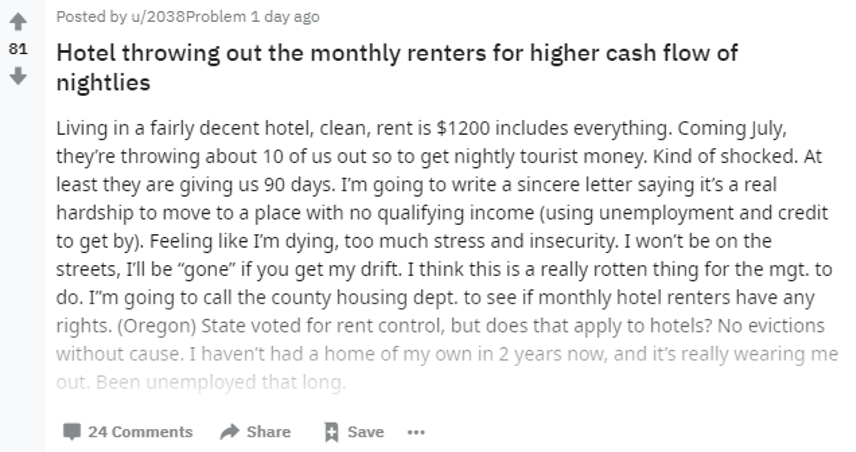
Why you should follow it: If you’re feeling down on your luck and have lost a place to live or have come close to it, you can find support and advice in this group. Members in the group discuss finding affordable places to live and making the most of their current situations.

  • Created October 16th, 2019
  • 23k Members
  • Topics: All Personal Finance Topics

Why you should follow it: You’ll like this thread if you consider yourself middle class but want to get ahead. Commonly discussed topics are investing on a middle-class income, housing costs, and budgeting. Some users also share their success stories which can be very motivating.

  • Created March 11th, 2013
  • 8m Members
  • Topics: CryptoCurrency News and Discussion

Why you should follow it: This subreddit is not for everyone. However, if you’re interested in learning about, analyzing, or investing in cryptocurrency, you need to be in this group. You can learn about the values of different cryptocurrencies and why some are more popular than others.

  • Created March 4th, 2011
  • 188k Members
  • Topics: Careers in the Financial Sector

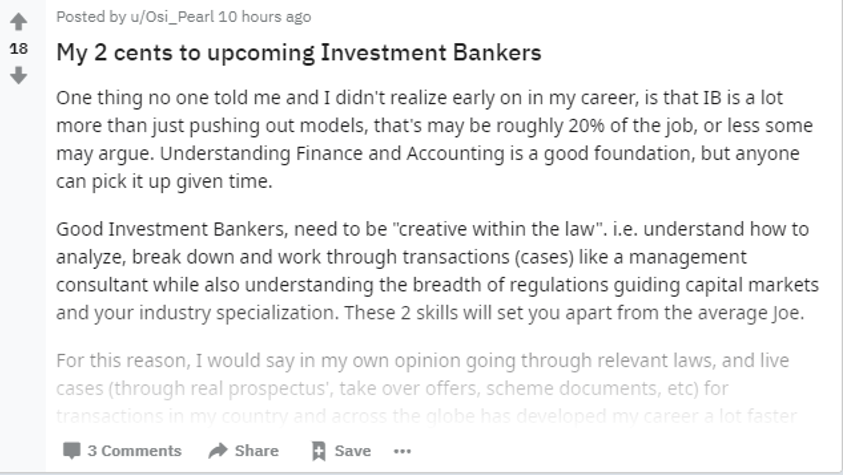
Why you should follow it: If you’ve ever dreamed of having a career in the financial sectors,you’ll find loads of helpful advice on this subreddit. You’ll also get to read advice on what classes to take at University, what working in certain fields is like, and how to prepare for job interviews.

  • Created October 14th, 2015
  • 8k Members
  • Topics: Personal Finance Tools

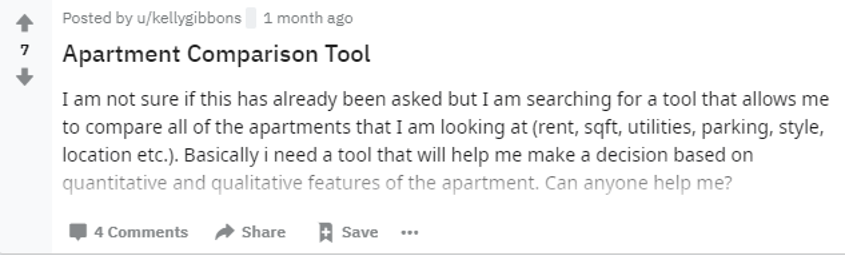
Why you should follow it: If you ever wondered what the best tool is for tracking debt, creating a budget, finding housing, or anything else related to money, wonder no more. This subreddit is full of the best recommendations for personal finance tools that can transform your money and life.

  • Created January 1st, 2014
  • 3k Members
  • Topics: For Students Studying Finance

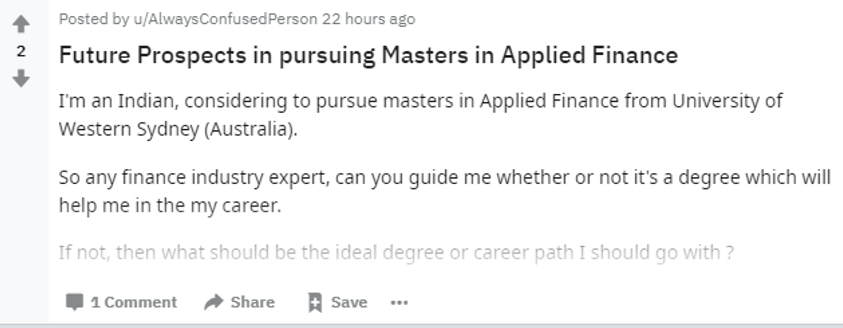
Why you should follow it: While a user created this subreddit for students in the finance sector, it contains advice that ranges from getting a good credit score to doing well on college finance assignments. This is a great thread to join if you’re currently a finance student or you’re a high schooler with hopes of becoming a finance student.

  • Created June 26th, 2015
  • 197k Members
  • Topics: Financial Independence for Minimalists of Stoics

Why you should follow it: The FIRE (financial independence retire early) movement is huge, so it’s no wonder that there are FIRE groups with a more niche outlook. This group is for those who are looking to achieve FIRE but live a non-consumerist life.

  • Created January 28th, 2012
  • 9k Members
  • Topics: Investing and Retiring with Confidence

Why you should follow it: Retirement is something that everyone needs to plan for – even if you don’t have dreams of retiring at 40. If you have questions about the types of retirement plans, how much money you need to save, or what investments are, this group is for you.

Why you should follow it: If you’ve ever wanted to learn from or ask a question to a real economist, join this group. You’ll learn about the latest news from the perspective of economists.

  • August 28th, 2013
  • 44k Members
  • Topics: Creative Ways to Earn Extra Money

Why you should follow it: If you’re not earning enough at your day job or are interested in starting a side business, this is the subreddit for you. This is one of the best Reddit personal finance threads to follow if you want to increase your income. There are hundreds of different ways to earn money discussed in this community. You’ll also gain inspiration from stories of successful side hustlers.

Top 5 Best Personal Finance Advice Found on Reddit

Budgeting

“I made a spreadsheet for people who don’t know how to budget.”

Budgeting is the key to financial success. After all, without budgeting, you wouldn’t have leftover money to save, pay down debt, or invest. One Reddit user took it upon himself to create a simple budget spreadsheet that everyone could use.

Here’s a little bit more of what they had to say:

“I grew up very poor and had NO sense of what or even HOW to start budgeting. I was taught that money would disappear if I didn’t use it, so I just USED it. Even now, I still feel anxiety about money and can spend recklessly if I’m not careful.”

Frugality

“Stop spending money on food! – Buy a crockpot.”

This Reddit user was sick of wasting money on food, so they found a way to curb the food budget and encourage others to do the same.

“How do I stop eating out??? Fast food is soooo good! And cooking is soooo hard! Well, first off, not really–you’re just attuned to that garbage ‘food’. You’re going to break free of both these stereotypes and someone has already invented it…..

Crockpot. It’s the crockpot. Crockpot.”

Side Hustling

“Strange side hustles. I resell bras fulltime on Amazon.”

Sometimes the most profitable side hustles are the most unconventional. That was true for this Reddit member who turned his side hustle of flipping bras into a full-time gig. In this thread he allows users to ask him anything.

Financial Independence

“The definition of rich is having greater passive income than you burn.”

If you’re looking for a helpful definition of rich, this is the one. When your passive income is more significant than what you need to live, you’ve officially made it.

Here are some other nuggets of wisdom from this thread:

“My dad and his wife receive about $50,000 a year from dividends, pension, and Social Security, and spend $40,000 a year. They are rich.”

Saving

“For everyone shopping on Amazon Prime day, “savings” from sales aren’t savings unless you were already planning on buying.”

Ouch. Sometimes the truth hurts. This serves as a helpful reminder, though – if you weren’t planning on buying an item, a sale doesn’t save you money, it costs you money.

Top 10 Most Popular Reddit Personal Finance Threads/Posts in 2021

  • 2k votes
  • 335 comments

This thread has gained a lot of popularity, even though the title is misleading. The poster initially thought someone had stolen his card and purchased $2,214 worth of food at Wendy’s from April to August 2019. In reality, it was Mint incorrectly categorizing his cash app payments made to a friend named Wendy as a fast-food purchase. Oops.

Top comment:

  • 16k votes
  • 301 comments

No matter what you’re trying to learn, you can find it on Khan Academy. They cover budgeting, saving, retirement, and more.

Top comment:

  • 2k votes
  • 907 comments

After the pandemic hit, this Reddit user thought they’d be stuck with their Costco fitness pass after using it for only five months before gyms were shut down. To their surprise, Costco graciously gave them a refund.

Moral of the story: it never hurts to ask!

Top Comments:

  • 12k votes
  • 407 comments

This Reddit user shares the story of how she and her mother went to Best Buy to purchase a TV. The associate to told her that the computers were down and she’d have to pay via Paypal. Later that day, it was discovered the employee was running a scam.

Top comment:

  • 7k votes
  • 566 comments

Great advice for young adults. This user advocates for young people to have their own bank account so their money is protected from their parents. Even if you’re not worried about that, having your own bank account is a great first step into adulthood.

Top comment:

  • 3k votes
  • 5k comments

Great question. Most people would agree that this is very hard to do but not outright impossible. The poster explains his situation and how he’s stuck in a low-paying job due to a previous felony conviction. Luckily, the Reddit community bands together with tons of solid advice and encouragement.

Top comment:

  • 8k votes
  • 616 comments

This former student shares the nightmare of checking paid off student loans to find that several of them now show balances. The commenters share tips for what to do when your loans are paid off so that you have proof when something like this happens.

Top comment:

  • 7k votes
  • 1k comments

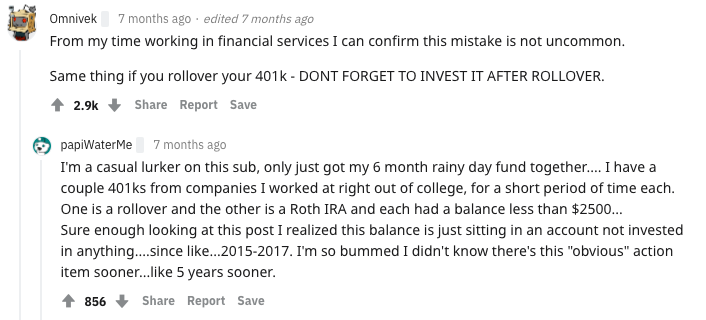
This user made the mistake of maxing out their Roth IRA two years in a row without actually investing the money. Judging by the comments, this is a very common mistake and a reminder that if you have a Roth IRA, you need to allocate your funds after putting money into the account.

Top comment:

    • 6k votes
    • 519 comments

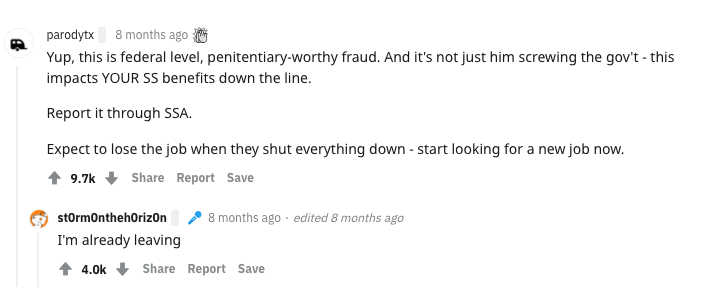
    Yikes. This user logged into the social security website and found out that his employer hasn’t paid any social security taxes for more than two years. The original poster started looking for another job pronto.

    Top comment:

  • 3k votes
  • 529 comments

Eminent domain is when the government takes private land for public use, essentially forcing you to sell the land you own. This user shares their experience and all the steps it took to go from negotiation to sale.

Top comment:

Conclusion

If you want to improve your financial situation, these top 20 best Reddit personal finance threads are a great place to get your questions answered and to seek inspiration. No matter where you’re currently at in your journey, you can find a group of like-minded individuals to connect with.

Top 50 High Paying Jobs of The Future

A list of the top 20 future jobs

Top 50 High Paying Jobs of The Future

As the world moves forward, life, and the way we live our lives, tend to change. Sometimes, those changes can occur rapidly and without warning. And when technologies begin replacing elements of our lives and livelihoods, they can appear completely out of the blue. 

It’s easy to think about some of the most popular career paths of the 1980s––and how many of them now are completely obsolete. For example, typewriter makers, typewriter repairmen, and typewriter salespeople––all lost their jobs in the blink of an eye once personal computers became the standard in offices across the developed world. That’s why it is important, in this fast-paced digital age, to have a career that you can feel secure about. That’s why it’s important to have 

And the higher-paying the job, the more important it likely is. And, therefore, the more long-term and future-focused it will be. 

Here is our list of 50 of the highest-paying jobs of the present and, most importantly, the future:

What are The Top 50 Best Future Jobs?

Job hunting can be an overwhelming process, especially if you are unsure about which career path you should embark on. Here is a compilation of the 50 best future career positions. 

Able to work in a variety of industries, Data Analysts are typically found in corporate and medical fields. Data analysis involves gathering and interpreting information to provide insights for businesses. 

An increasing amount of data needs to be studied across numerous industries. That’s data analyst jobs are a promising future career path in time to come.

Salary Range: $44,000 to $86,000 per year

Educational Requirements: Bachelor’s in Information Technology, Statistics, or Computer Science

👉   Browse Data Analyst Jobs on GrabJobs

This career path has since become increasingly popular as a future career job option. Especially since more companies and corporations focus on optimising their digital presence and design. 

Salary Range: $50,000 – $109,000

Educational Requirements: Having a related degree will help in a UX design job hunt, but what really matters is strong portfolio. Further education will help in moving up within the UX design world, however. 

👉   Browse UX Designer Jobs on GrabJobs

With most companies beginning to embrace the power of technology, the need for mobile application developers is on the rise. Working in this field can also give rise to advancement in the software and engineering industry as well. 

As such, mobile applications developers are an attractive future career path to be explored!

Salary Range: $50,000 – $115,000

Educational Requirements: Learning software development skills through a bachelor’s program is the most reliable way to learn the trade. 

👉   Browse App Developer Jobs on GrabJobs

Overseeing the intake and administrative side of the healthcare system, medical assistants are necessary members of a medical team. A medical assistantship can also help you get your foot into the door to become a higher level certified or registered assistant. 

With the pandemic overwhelming healthcare systems everywhere, many countries are thinking of ways to strengthen their healthcare pillar.  

As such, the role of medical assistants are promising future jobs individuals may wish to consider for themselves.

Salary Range: $25,000 – $42,000

Educational Requirements: The educational requirements for a medical assistantship vary depending on location, but generally because the job focuses on administrative work rather than medical procedure, most positions may consider applicants with a high school diploma.

👉   Browse Medical Assistant Jobs on GrabJobs

While many aspects of the average person’s daily life changes over the course of several decades, the demand for pets and pet care remains pretty consistently high. 

Vet techs are responsible for administering treatments, testing blood, and other medical activities pertaining to pet care. This makes them vital members of veterinary teams.

With that being said, animal lovers may wish to test the waters by joining the future job population of veterinary technicians!

Salary Range: $24,000 to $43,000

Educational Requirements: Most veterinary technicians will need a two-year associate’s degree.

👉   Browse Veterinary Jobs on GrabJobs

This is typically an entry-level position that plays an essential role in the day to day operations of a company or corporation. These types of jobs can be critical components of a resume and most industries will have similar positions available. 

Being the fundamental building blocks of any company, the job of an administrative assistant is here to stay and definitely a future job opportunity waiting for many!

Salary Range: $26,000 – $51,000

Educational Requirements: Although some employers may require applicants to have a degree, administrative assistantships are generally open to applicants with only a high school diploma.

👉   Browse Admin Jobs on GrabJobs

The self-care industry is booming, and consumers have begun searching for alternative treatments to traditional medicine. Massage therapy is one such industry that provides ample opportunity for bettering a customer’s life. It offers a highly viable and profitable career path for many job hunters in the years to come.

As such, it’s one of the predicted future jobs that individuals may wish to explore in the near future too!

Salary Range: $30,000 – $122,000

Educational Requirements: A degree is not required, but a training and certification program will need to be completed in order to qualify for a license. 

👉   Browse Licensed Massage Therapist Jobs on GrabJobs

Alongside massage therapists, spa managers are part of the growing self-care industry today. It’s not much of a surprise that the job of spa managers in the future are one worth looking into as well.  

Salary Range: $28,000 – $58,000

Educational Requirements: Some firms require an associate’s or bachelor’s degree. However, there is also potential to work up from within the industry and learn the trade. 

👉   Browse Spa Manager Jobs on GrabJobs

Sustainable development is a necessary and, thankfully, growing industry. Wind turbines are a major component of many plans for sustainable energy.

As such, future jobs of wind turbine technicians are only growing in demand. 

Salary Range: $39,000 – $74,000

Educational Requirements: Education for a wind turbine technician will most likely be some form of technical school, training, or program that can be entered into after earning a high school diploma or GED. 

👉   Browse Technician Jobs on GrabJobs

Did you know that copywriters help companies transfer their business from the physical realm into the digital space? 

With almost every company out there engaging in some form of content creation, future jobs as copywriters make up a part of the top 20 future jobs list too. Great news for writers out there! 😉

Salary Range: $35,000 – $78,000

Educational Requirements: A bachelor’s degree in communications or a related field is typically required, although there are many freelance opportunities that will place more emphasis on portfolios and experience than education. 

👉   Browse Copywriter Jobs on GrabJobs

When it comes to building the foundation and framework of websites, there’s no one better suited for the job than a web developer. As more business shift online, this is an in-demand occupation too. 

Salary Range: $36,000 – $90,000

Educational Requirements: A bachelor’s in computer science, or a good amount of relevant experience and a strong portfolio. 

👉   Browse Web Developer Jobs on GrabJobs

Focusing on a precise market and set of questions, market research analyst jobs are in-demand too. With so much data out there begging to be studied, market research analysts stand a high plausibility of growing in numbers. 

Salary Range: $40,000 – $76,000

Educational Requirements: A bachelor’s degree in market research or a related field. 

👉   Browse Market Research Jobs on GrabJobs

Relatively new positions, digital strategists help companies successfully transform their work flow to match the requirements set forth by digital proceedings. 

If you have a knack for digital marketing, this future career path may be the perfect fit for you.

Salary Range: $40,000 – $109,000

Educational Requirements: Bachelor’s in marketing or a related field. 

👉   Browse Digital Strategist Jobs on GrabJobs

PAs are usually the first line of medical professionals a patient reaches, making them a crucial component of the care process.

With the healthcare system being a top priority for numerous governments, future jobs for physician’s assistants may also seen an increase in demand. 

Salary Range: $81,000 – $137,000

Educational Requirements: Master’s degree and appropriate licensure.

👉   Browse Physician Jobs on GrabJobs

In the digital space, a company needs more than just a well-functioning website. Software developers are responsible for the creation of specific computer applications and programs used to carry out specific tasks and are essential for digital transformation. 

If you’re wondering if you should take up a job as a software developer, it’s probably a wise decision after all since its future career prospects are promising!

Salary Range: $49,000 – $110,000

Educational Requirements: A bachelor’s degree, although some software developers can successfully build the skillset and portfolio to acquire jobs without a degree.

👉   Browse Software Developer Jobs on GrabJobs

Another essential job in the tech industry is that of the information security analyst. This position works to protect private and institutional data that is being shared and stored digitally, especially within the corporate and medical industries. 

As such, it can also be learnt that future jobs of information security analysts are also on the rise. 

Salary Range: $49,000 – $114,000

Educational Requirements: Bachelor’s degree in a computer science or other technology related field.

👉   Browse Information Security Analyst Jobs on GrabJobs

A staple of the medical industry, registered nurses will continue to be one of the most in-demand jobs for years to come. Nurses can work a variety of jobs, from traditional positions in hospitals to positions within outpatient or rehabilitation facilities. 

Future career jobs as registered nurses are one that is also predicted to increase in the near future. 

Salary Range: $49,000 – $90,000

Educational Requirements: Requires a minimum of an associate’s degree, although higher degrees can result in better starting pay. 

👉   Browse Nursing Jobs on GrabJobs

At home care for the elderly, disabled, chronically ill, terminally ill, etc. This role is an essential one, as it not only allow patients to receive care within their own home, it also lessens the intake space needed at traditional hospitals or facilities. 

With that being said, yet another role that is expected to increase in demand in the near future is the job of a home health aide. 

Salary Range: $19,000 – $33,000

Educational Requirements: No degree, but training and certification required.

👉   Browse Home Health Aide Jobs on GrabJobs

In changing times such as these, communication departments have never been more important. A communications specialist works to ensure all departments are communicating effectively and that all internal and external communications have been addressed. 

Enjoy crafting communications plans for others? Communications specialists are also yet another promising future career path that individuals may look into soon!

Salary Range: $34,000 – $75,000

Educational Requirements: Bachelor’s degree in communications or a related field. 

👉   Browse Communications Specialist Jobs on GrabJobs

IT departments are responsible for overseeing that digital and computer systems are running properly and efficiently. IT support specialists help to bridge the gap between technology and communication to help businesses to better understand their own computer-based technology. 

As such, the future jobs of IT support specialists are one that is also expected to be in demand in the near future. 

Salary Range: $32,000 – $69,000

Educational Requirements: An associate’s or bachelor’s degree in IT or a related field.

👉   Browse IT Specialist Jobs on GrabJobs

Working primarily in the insurance and claims industry, business actuaries analyze key data points while assessing the overall risk it presents to the business. An actuary’s job can often directly impact a company’s bottom line, which is why the role comes with such large responsibilities. But these are some of the highest-paying jobs of the future. 

Salary Range: $86,000 to $120,000 per year

Educational Requirements: While there are no official educational qualifications necessary, firms tend to look for those with degrees in business, management, or finance. You’ll also usually need to pass a series of examinations –– some of which can take up to seven years to complete. 

👉   Browse Actuary Jobs on GrabJobs

Becoming an Industrial Engineer involves studying the operations, design, and performance of major power systems and various types of machinery. These future-forward jobs also require strong technical, communications, and electrical skills, as well as a high number of training hours

Salary Range: $54,000 to $96,000 per year

Educational Requirements: You’ll likely need a bachelor’s degree in engineering, science, mathematics, or a related field, plus several years of experience.

👉   Browse Industrial Engineer Jobs on GrabJobs

Using machine learning technologies to organize information for start-ups and other firms, a Data Scientist is a key player in any organization. A Data Scientist collects and examines information, analyzing it to make sense of it all. Other tasks include examining the correct data sets or variables, collecting large data sets, and looking at patterns and trends. 

Salary Range: $68,000 to $103,000 per year

Educational Requirements: If you’re interested in a high-paying career as a Data Scientist, you’ll require an advanced-level degree in mathematics, computer science, or information technology.

👉   Browse Data Scientist Specialist Jobs on GrabJobs

Cyber Security Engineers are an important part of the working environment of any tech-based company. Given the rise in online crimes, a skilled Engineer who can navigate through internal data systems and provide protection against compromised external sources would be hired by just about any firm–– regardless of the industry. Many private companies are now hiring their own on-site Cyber Security Engineers instead of outsourcing. 

Salary Range: $73,000 to $103,000 per year

Educational Requirements: You’ll need a degree in information technology or computer science, and several years of experience

👉   Browse Cyber Security Engineer Specialist Jobs on GrabJobs

Financial Managers are very well-paid throughout major markets across the world due to the expertise required of all candidates, plus a strong knowledge of numbers, investments, and funds. Those who can also oversee the efficiency of their entire organization while being in charge of millions, sometimes, billions of other people’s hard-earned income are vital responsibilities that make these positions highly sought-after.

Salary Range: $84,000 to $155,000 per year

Educational Requirements: Most Financial Managers will require a bachelor’s degree in finance, business, or a related field

👉   Browse Financial Manager Specialist Jobs on GrabJobs

Simply put, Sales Engineer roles incorporate elements of both sales and engineering. These types of engineers usually work for companies that sell technology products or services to clients. They then develop customized solutions to fit each client’s individual needs. They present and pitch ideas to clients while closing and renewing deals, not to mention installing software or equipment; and providing support once the technology is in use.

Salary Range: $69,000 to $112,830 per year

Educational Requirements: As Sales Engineers require an in-depth knowledge of science, technology, and engineering principles to do their job successfully, most will need a bachelor’s degree in engineering (some companies will require candidates to have a master’s degree).

👉   Browse Sales Engineer Jobs on GrabJobs

Technical writers are responsible for taking complicated technical ideas and communicating them in language that people can easily understand—whether those ideas are presented in journal articles, educational materials, video scripts, tutorials, instruction manuals, or FAQ pages. 

Salary Range: $52,000 to $86,000 per year

Educational Requirements: A degree is not required, but many Technical Writers will hold degrees or Ph.D. in English, communication, engineering, computer science, or medicine (depending on the area of study).

👉   Browse Technical Writer Jobs on GrabJobs

Marketing Managers are responsible for using industry research and market trends to forecast growth opportunities for their companies, increasing revenue wherever possible. As the world continues to emerge from the weight of COVID-19 restrictions, there is likely to be an increase in growth for well-paying marketing jobs –– especially at the senior level. And those come with large paychecks. 

Salary Range: $94,000 to $156,700 per year

Educational Requirements: Most marketing managers have a degree in marketing or a related field. However, larger companies tend to look for specialized marketers––so the greater, more advanced the skillset in a specific area of marketing, the more likely you’ll land a high-paying position. 

👉   Browse Marketing Manager Jobs on GrabJobs

Having solid creative and design skills is just one of many expectations of an established Architect. In addition to the visual insights, Architects are expected to have an exceptional grasp of subjects like mathematics, sciences, and engineering. Whether working for a government agency that erects public offices or skyscrapers, or for private clients in need of a new home, architects are not only future-forward, but they also pay well above the average wage. 

Salary Range: $137,000 to $186,000 per year

Educational Requirements: anesthesiologists need an undergraduate degree followed by a medical degree. After that, they will be required to complete a four-year residency program, followed by a state licensing exam and a board certification test.

👉   Browse Architect Jobs on GrabJobs

Another example of specialized healthcare workers with long-lasting futures and high salaries are obstetricians and gynecologists (or OB-GYN). These positions deal with the reproductive systems, monitoring pregnancies, sexually transmitted diseases, and other infections. 

Salary Range: $154,000 to $226,000 per year

Educational Requirements: To become an OB-GYN, you’ll need to earn a bachelor’s degree and then complete 4 years of medical school, followed by a 4-year residency program in obstetrics and gynecology. On top of that, an additional 3-year residency in a chosen specialty. Lastly, you’ll be required to pass a board certification exam.

👉   Browse Gynecologist and Obstetrician Jobs on GrabJobs

Human Resource Managers are in charge of a list of daily tasks that keep a company running, like hiring employees, handling interpersonal issues, and ensuring employees have good mental well-being while in the working environment. Many companies across the globe use HR Managers to run efficient organizations, and that is not likely to change in the future.

Salary Range: $83,000 to $134,000 per year 

Educational Requirements: Typically, Human Resources Manager jobs will require a bachelor’s degree—although many companies might skip this expectation if candidates can demonstrate superior people and communication skills.

👉   Browse Human Resources Manager Jobs on GrabJobs

Another specialist position in the field of medicine, ophthalmologists are doctors who focus on diagnosing and treating eye diseases, such as cataracts and glaucoma. Ophthalmologists are also skilled technicians in that they perform eye surgeries (like oculoplastic work and corneal transplants) while following up with their patients to ensure that their vision is balanced. To become an ophthalmologist, you will need to earn a medical degree before narrowing your field towards the study of ophthalmology. 

Salary Range: $169,000 to $235,000 per year 

Educational Requirements: You will have to obtain a bachelor’s degree and complete around 4 years of medical school. Then you can enter into a 4-year residency program, which will include 3 years in a surgical program and a yearlong internship.

👉   Browse Ophthalmologist Jobs on GrabJobs

Every company has a Chief Executive Officer. These positions are just about as high as you can get when climbing the corporate ladder. But they also carry the most responsibilities. CEOs make crucial business decisions that affect the entire company’s bottom line, not to mention the livelihoods of all employees. Because the job of the CEO is so important to the overall function of an organization, and because they absorb so much of the risk, the compensation is typically the highest of anyone else on the payroll. 

Salary Range: $145,000 to $201,000 per year 

Educational Requirements: Most CEOs will require a bachelor’s degree in finance, business, or a related field. 

👉   Browse Chief Executive Officer Jobs on GrabJobs

Psychiatry focuses on the diagnosis, prevention, and treatment of mental, emotional, and behavioral disorders in patients looking for a less-invasive form of rehabilitation. Mental health service workers treat men, women, and children with any of the above issues, as well as prescribing medications and conducting non-physical forms of treatment, such as psychotherapy. Because of the extensive training and education required, these jobs are highly paid and will continue to be well into the future.

Salary Range: $147,000 to $223,000 per year 

Educational Requirements: Typically, a Doctorate is required in a chosen field of medicine, followed by medical school, interning, residencies, and appropriate licensure.

👉   Browse Psychiatrist Jobs on GrabJobs

Public Relations Managers and Directors are some of the highest-paid individuals working today. They will typically lead teams that handle client groups and determine the most effective forms of communication for minimizing conflicts, managing crises, and promoting goods, services, people, and brands. They are an essential part of many different companies and often earn big paychecks as a result, provided you’ve got media training and, preferably, a solid client list. 

Salary Range: $89,400 to $128,300 per year

Educational Requirements: PR Managers often have a bachelor’s degree in public relations, communications, marketing, or a related field—but some firms hire those who have strong business and interpersonal experience only.

👉   Browse Public Relations (PR) Manager Jobs on GrabJobs

Surgeons provide advanced health care to people from all walks of life, making them extremely in-demand positions today and well into the future. Due to the high-risk nature of a surgeon’s day-to-day tasks, including the quick thinking across multiple patient cases, and the qualifications and experience expected, these critical jobs are so well-paid.

Salary Range: $144,000 to $238,000 per year

Educational Requirements: Becoming a surgeon takes years of hard work and education, including a four-year degree, about four years of medical school, and a surgical specialty followed by a residency––which can often last up to five years. 

👉   Browse Surgeon Jobs on GrabJobs

A well-paying, yet incredibly stressful job, anesthesiologists literally hold the lives of patients undergoing surgery in their hands. Anesthesiologists are doctors who administer the drugs (not only anesthesia) that prevent patients from feeling pain or sensation during major surgical procedures. Not only are they responsible for addressing any patient issues or discomforts before they are put under, but they are also in charge of facilitating long-term recovery for patients post-operation. 

Salary Range: $143,000 to $222,000 per year 

Educational Requirements: You will have to obtain a bachelor’s degree and complete around 4 years of medical school. Then you can enter into a 4-year residency program, which will typically include an additional 3-year period in a specialist field before interning.

👉   Browse Anesthesiologist Jobs on GrabJobs

A Pediatrician is a healthcare professional who specializes in diagnosing and treating children (typically from birth until the age of 21) while focusing on areas of developmental health that can potentially have lasting effects on patients. Pediatricians essentially care for the youngest section of the public and guide them towards efficiencies that help them develop into healthy adults, like providing routine examinations and providing vaccinations. Due to the highly skilled training and experience required, Pediatricians are very well paid.

Salary Range: $121,000 to $175,000 per year 

Educational Requirements: Becoming a pediatrician requires extensive study and training, including a four-year degree, about four years of medical school, followed by a residency––which can often last up to five years.

👉   Browse Pediatrician Jobs on GrabJobs

Due to the nature of this specialist branch of healthcare, orthodontists are very well paid. Like a dentist, an Orthodontist performs a critical service to the public in the form of advanced oral care. Anyone who has ever been made to wear dental braces or other mouthpieces knows the costs associated (and usually not covered by insurance) with orthodontics. The skills required are intense, and the work itself is challenging, but the salaries are some of the highest anywhere.

Salary Range: $155,000 to $231,000 per year

Educational Requirements: Orthodontists require a bachelor’s degree, followed by the completion of dental school before entering into a residency program tailored to a chosen specialty. Finally, you will be asked to pass the National Board Dental Examination.

👉   Browse Orthodontist Jobs on GrabJobs

As you might imagine, Doctors are not only in high demand but the profession is guaranteed to be around for the foreseeable future. Simply because they are essential to human survival. Doctors know how to diagnose, treat, and cure those with short or long-term illnesses. They also require years of education and training before they can practice their profession––making them some of the most well-paying jobs available. 

Salary Range: $169,000 to $235,000 per year 

Educational Requirements: Depends on your chosen field, but most require a bachelor’s degree, followed by residencies and interning (up to 8 or 9 years). 

👉   Browse General Physician Jobs on GrabJobs

A highly demanding job that requires considerable training and technical skills, an ITS (Information Technology Systems) Director, especially one at a prominent corporate digital or business firm, is not only one of the most in-demand, future-focused positions in numerous markets today, but they are also some of the best paying. ITS Directors help solve computer issues at the highest level while also helping to develop and/or test software applications while troubleshooting and utilizing specialized skills like coding and writing. In addition to this pressing workload, Directors also manage the day-to-day operations of their teams across numerous tech departments. Major decisions fall onto their shoulders and, as such, they are well compensated.

Salary Range: $118,000 to $194,000 per year 

Educational Requirements: If you’re interested in a high-paying career as an ITS Director, you’ll need an advanced-level degree in mathematics, computer science, or information technology.

👉   Browse ITS Director Jobs on GrabJobs

Whatever your feelings are about lawyers, they provide a necessary service to people in need. And they are typically compensated based on how valuable they are to their clients –– the more serious the trouble people find themselves in, the higher they’ll pay to have a more experienced and knowledgeable attorney to represent them in court. Even lawyers who specialize in reading wills, buying/selling a property, or putting together contracts are well-paid because of the importance of the work involved.

Salary Range: $129,000 to $194,000 per year 

Educational Requirements: While in some places, you don’t technically have previous education to write your Law School Admissions Test, you will likely need to specialize and obtain an advanced degree and graduate successfully before you can begin articling and interning.  

👉   Browse Lawyer Jobs on GrabJobs

Pilots are some of the most in-demand positions in the country and beyond––and they will be for many years to come. Commercial airline pilots who fly to international destinations are typically paid more than continental or local-haul pilots, but the training required for all flights is the same. And it’s very intensive, so the rewards are usually worth it in the end

Salary Range: $134,000 to $213,000 per year 

Educational Requirements: No degree is required to become an airline pilot, however, there is extensive in-flight training and education involving mathematics, sciences, and communication that are a must.  

👉   Browse Airline Pilot Jobs on GrabJobs

Second only to the Chief Executive Officer, the Chief Financial Officer, or CFO, is responsible for managing the company’s money –– including scheduling, overseeing budgets, determining the spend vs. costs figures within multiple departments, and so on. These high-paying jobs come with even higher pressure due to the expectations, as well as the robust financial knowledge, and tough decision-making that impacts the lives of all employees.

Salary Range: $135,000 to $191,800 per year 

Educational Requirements: Again, not a requirement, but many CFOs will have at least a bachelor’s degree in finance, business, or a related field.

👉   Browse Chief Financial Officer Jobs on GrabJobs

We’ve all been to the dentist, so we know how vital they are to our overall health (even if we hate going there). Dentists are skilled medical professionals first and foremost. Like many specialist fields, a Dentist must first become a doctor before moving into the study of dentistry. Dentists can open and run their practice, or work as consultants to government agencies. Plus, the salaries (while dependent upon the number of experience) are often incredibly high. 

Salary Range: $134,000 to $205,000 per year 

Educational Requirements: Dentists require a bachelor’s degree, followed by the completion of dental school before entering into a residency program. Depending on where you live, you will also have to pass some form of Dental Examination Board.

👉   Browse Dentist Jobs on GrabJobs

Engineering jobs are very well paid throughout the world in many different industries –– but especially within the infrastructure and environmental sectors. While Civil Engineer work is rewarding and fascinating, the training required, and the extensive years of education needed to fulfill some of the available positions mean that they are also handsomely rewarded in the form of big salaries. 

Salary Range: $123,000 to $159,000 per year 

Educational Requirements: You’ll likely need a bachelor’s degree in engineering, science, mathematics, or a related field, plus several years of experience.

👉   Browse Civil Engineer Jobs on GrabJobs

With special attention paid to the cardiovascular system, Cardiologists spend most of their time studying diseases and disorders of the heart and blood vessels, while offering treatment, prevention, and management solutions to patients. Because of the high skill and extensive education and training necessary to perform this line of work, Cardiologists tend to earn some of the highest paychecks anywhere.

Salary Range: $198,000 to $325,000 per year

Educational Requirements: You will have to obtain a bachelor’s degree and complete around 4 years of medical school. Then you can enter into a 4-year residency program, which will typically include an additional 3-year period in a specialist cardiology program before interning.

👉   Browse Cardiologist Jobs on GrabJobs

While some may not necessarily value the benefits of a career in physical science, physicists might change such perceptions. These scientists, trained in physics, conduct routine research at a university or a national laboratory while experimenting to test hypotheses and theories that result in the discoveries of new ideas and methods for making the world work around us. These jobs require extensive studying (but if you want to be a Physicist, you’ll have to really love studying), but offer great salaries. 

Salary Range: $89,000 to $154,000 per year 

Educational Requirements: At least a Bachelor’s in Information Technology, Statistics, or Computer Science

👉   Browse Physicist Jobs on GrabJobs

Working in a highly specialized field of medicine, Neurologists are medical doctors who focus on the health of the human nervous system, including issues with the spinal cord, nerves, muscles, and the brain. Day-to-day duties for Neurologists in Los Angeles include diagnosing, treating, and managing pain among those suffering from neurological diseases and disorders. Years of training, education, and patience are required. 

Salary Range: $154,000 to $224,010 per year

Educational Requirements: You will have to obtain a bachelor’s degree and complete around 4 years of medical school. Then you can enter into a 4-year residency program, which will typically include an additional 3-year period in a specialist neurology program before interning.

👉   Browse Neurologist Jobs on GrabJobs

Petroleum engineers help to source oil and gas to export and utilize for extensive energy needs. They design and develop methods for extracting fuels from underground deposits while also coming up with new ways to extract from older wells. These heavily skilled roles are very future-forward and are, subsequently in high demand and well-paid throughout the country.

Salary Range: $91,000 to $142,000 per year 

Educational Requirements: You’ll likely need a bachelor’s degree in engineering, science, mathematics, or a related field, plus several years of experience.

👉   Browse Petroleum Engineer Jobs on GrabJobs

Prediction: Jobs that Are Likely to Disappear by 2040

Due to advancements in technology, there are several positions popular today (and some that have been dwindling in popularity for years), that are likely to be replaced by AI, robots, or other technologies in the next 25 years. Here is our list of 10 jobs in trouble of falling behind. 

  • DRIVERS
  • CASHIERS
  • WAITERS AND SERVERS
  • STOCK TRADERS
  • BUILDERS
  • TRAVEL AGENTS
  • JOURNALISTS
  • BANK TELLERS
  • CONTENT CREATORS 
  • RETAIL CLERKS 

What Jobs will be in High Demand in the Next Decade?

As mentioned, the tech industry and sector is growing exponentially and will likely have a massive impact on the types of jobs coming into highest demand within the next decade. Here is our list of the 5 top job that are likely to be in high demand in the coming years:

  • UX Designer: As companies move towards digitisation, good UX design that helps to bring in new customers and retain existing ones is crucial for every industry and corporation.
  • Data Analyst: With changing market demands and a shifting employment landscape, having strong analytical teams will be majorly important for companies in the future.
  • Mobile App Developer: Working hand in hand with UX design, mobile app developers will likely find themselves working closely together over the next 10 years as more companies embrace the marketing power of mobile apps. 
  • Copywriter: While tech development and data analysis will be huge in the coming years, the need for strong writers never goes away. Everything from website copy to content creation will be in very high demand as more industries make the change to become more digitally-oriented. 
  • Healthcare Professional: Despite the tech boom, healthcare still dominate in terms of employment and job opportunity – and this will likely continue into the future, meaning healthcare-related professions (such as home health aides or registered nurses) will still be in high demand even within the next decade. 

What is the Most Stable Career?

When looking for a career, stability should be at the top of the priority list. This is because it can be grueling to have to reapply to jobs over and over if you continuously select career paths that lack said stability. 

Here are our top 5 career paths that will be the most stable in the years to come.

As mentioned, corporations and businesses are moving overwhelmingly into the digital space. This will provide years upon years of work for web developers looking to expand their clientele and build their portfolio so they can land higher paying clients. Plus, web development can be rather technical and complex, so it is unlikely to see these jobs replaced easily by computers.

👉   Browse Web Developer Jobs on GrabJobs

The world is always going to need engineers – after all, they make the infrastructures of society able to function. Entering into the engineer career path will provide a plethora of work and clients that will result in a stable career spread out over many years.

👉   Browse Engineering Jobs on GrabJobs

As we discussed, many individuals (roughly one in five) suffer from some form of mental health condition. As such, counselor and therapists are extremely necessary and those who choose this career path will experience high levels of stability. 

👉   Browse Counselling / Therapist Jobs on GrabJobs

Understanding why trends change and how to predict and plan around these changes is crucial. Market research analysts can rest easy knowing their job will always be an essential one. 

👉   Browse Market Research Analyst Jobs on GrabJobs

Whether its dental technicians, registered nurses, or any of the other medical professions we have covered here, they will all continue to be some of the most popular and top jobs of the future, making them an excellent career path.

👉   Browse Medical Professional Jobs on GrabJobs

Final Thoughts on High-Paying Jobs of The Future

There you have it! A list of high-paying jobs of the future. There are plenty of resources available to help you find a high-paying job of your own, wherever you live. Use these resources and tools to your advantage to help land the career of your dreams. Check out Grabjobs for high-paying opportunities in your country.  

30 Ways to Save Money on a Tight Budget

30 ways to save money on a tight budget

Concerns about money are a nearly universal experience. The good news is, you’re not alone and you don’t have to solve everything yourself. There are many ways to not only survive but thrive on when living on a budget. Here are 30 ways to save money on a tight budget. 

Financial difficulties can come out of the blue or following a major life event. Such as: welcoming a new baby to the family, sending children to school, starting a new business, or finding ourselves unexpectedly without work. 

How do you save money on a tight budget?

Although this may seem like an impossible task, there are actually many creative ways to start building up your savings no matter what your starting point is.

Try a 'no spend' month

Saving is about more than just accumulating earnings. It’s also about holding onto what you already have and not going into debt if you don’t have to. Committing to a month where you don’t spend money on any non-essential items can be a very eye-opening and empowering experience. It will motivate you to use what you already have, such as clothes you rarely wear or gadgets you hardly use. And it will show you that you can maintain a good quality of life without having to overspend.

Move to a more affordable location

One thing that holds a lot of people back from improving their financial situation is believing that some expenses are fixed and unchangeable, like their home. It is important to remember that no expense is truly fixed, and there are lots of options for saving if you’re willing to consider new possibilities. Plus, many people find it a relief to move to an area that is within their means rather than remaining in an expensive neighborhood that they struggle to afford.

Change Your Mindset

Our minds are powerful and they tend to put our beliefs into action and create the conditions that we believe to be inevitable. If you think that saving is hopeless since you’ve never been able to do it before, then it’s very likely that your experience will reflect that belief. Try changing that belief and see what happens. Decide, for example, that you will save just $5 in the next week. Setting small, achievable goals will help you build momentum toward much bigger savings.

How do I stop living paycheck to paycheck?

If you’re struggling to save money on a low income, you might find yourself living from paycheck to paycheck. This is a stressful situation, as it leaves you feeling as if you just barely have enough to get by. It’s also very easy to overspend and end up in debt.

The good news is, you can get out of this cycle and start building up your savings. Here’s a three-step plan to get you there.

1. Make a budget

When you need to save money on a tight budget, it’s essential to actually have a budget. It’s not hard to put one together. Look at your expenses and plan how much money you will need every month for each of your bills. Don’t forget to factor that in some bills, such as heating, go up and down throughout the year.

2. Earn extra income with a part-time job

Give yourself some breathing room by picking up part-time work that brings in extra money. There are plenty of options, such as waiting tables, working as a barista, becoming a tutor, and more. Think about what you’re good at and what you like to do and then start job hunting.

3. Commit to saving each month

Now that you’ve got a budget and a little extra cash flow, start building up your savings and free yourself from the stress and anxiety of living paycheck to paycheck. Choose a percentage of your earnings (aim for at least 10%) to put straight into a savings account as soon as you’re paid so you’re not tempted to spend it.

30 Easy Ways to Save Money on a Tight Budget

Here is a collection of actionable tips that you can start using today to save money on a low salary.

1. Stop eating out

Dining at restaurants and shops adds up quickly. Cook most of your meals at home and watch your savings start to grow immediately.

2. Shop for groceries on a weekly basis

Take a list with you to ensure that you only buy what you need. Buy a week’s worth of fresh produce at a time so you’re less likely to overbuy and end up wasting food.

3. Take advantage of end-of-day sales

Bakeries and other food shops often discount their prices at the end of the day to sell off their remaining items. This is the best time to get a good deal.

4. Find a cheaper phone plan

You can call your provider to see if they’ll offer you a better deal. You can also try switching to a new provider, as they often offer discounts and bonuses to new customers.

5. Negotiate your car insurance rate

Once again, negotiation is key. Talk to a representative from your insurance provider and ask what your options are. There are usually ways to broker a better rate for yourself.

6. Switch to a no-fee bank account

Monthly bank fees are another thing that can chip away at our savings without us even noticing. Many banks and credit unions now offer no-fee accounts that let you hold onto your money. Do some investigating online to find out what your options are.

7. Don’t browse either at malls or online

Window shopping and ‘just looking’ can easily lead to unnecessary impulse purchases. Remove the temptation and don’t go shopping unless you really need something.

8. Do some of your own grooming

Personal services such as manicures, facials, and haircuts are a luxury. You can save money and still look great by doing them yourself at home.

9. Keep an eye on your spending

Simply taking note of where your money goes is a powerful way to save money. Once you see how little purchases here and there add up to huge amounts, you’ll be much more careful about how you choose to spend.

10. Comparison shop

Products are often priced differently depending on where you get them. Before making a purchase, visit a few different shops that carry the same item and check online to find which place offers the lowest price.

11. Cancel subscriptions you don’t use

Automatic monthly charges can drain away your savings without you even noticing. Take stock of all the streaming services, online platforms, magazines and other subscriptions you regularly pay for and cancel the ones you don’t make frequent use of.

12. Pay down debt as fast as possible

This is an example of how spending money now can save you much more money later. Paying off your debts as quickly as possible saves you huge amounts in interest, so make it a priority to reduce and eliminate your debt.

13. Set up a system of sharing with friends and family

If you need an expensive item that you will only use some of the time (such as power tools, pressure washers, special kitchen appliances, etc.), arrange to buy the item jointly with friends and family, so you can split the cost and get more use out of it by sharing.

14. Shop in bulk and split with friends

Another good way to get your friends in on the savings is to buy non-perishable items in bulk (which is usually much cheaper) and share them, along with the costs.

15. Learn how to fix things yourself

Hiring a repair person is often expensive and inconvenient. You can save on money and time by learning to do simple repairs around the home yourself. There are lots of online tutorials that can show you how.

16. Sell off items you no longer use

It feels great to get the clutter out of your home, and it’s easy to earn extra cash by selling your gently used things to a thrift shop or an online auction site.

17. Pay yourself first

Prioritize your financial health by putting 10% of everything you earn into savings. This money adds up over time and is a really important way you can start saving with a low income.

18. Set savings goals for yourself

It’s much easier to make good decisions when you have a goal you’re reaching for. Commit to saving a certain amount next month and remember this goal every time you’re tempted to make a non-essential purchase.

19. Take a savings challenge

Some people do a lot better when they’re accountable to someone or something outside themselves. If you’re this kind of person, a savings challenge is your best friend. Not only will you be part of a group of other people working toward the same goal, but you’ll benefit from more details and tips about how to boost your savings.

20. Only use cash to make purchases

It’s been proven that people spend more when they buy with credit cards and debit cards. Tapping your card at checkout is quick and easy and it doesn’t let you see the money leaving your account. Using only cash is a good way to keep track of your spending and to limit yourself, since it’s harder to ignore the fact that you’re spending when you have to hand over the actual bills.

21. Schedule money meetings with your household

Every week or every month, sit down with your partner or anyone else who is involved in your household spending and go over your finances together. This will help avoid unexpected surprises and keep you accountable.

22. Reflect on your spending habits

All of us have ‘triggers’ around money. It could be that you spend more when you’re lonely or stressed out. Identifying your triggers can help you avoid them, and keep more money in your account.

23. Cut back on alcohol and other expensive drinks

It’s amazing how much money can slip away on a daily cocktail or bubble tea. These treats are actually very expensive indulgences that only provide a few moments of pleasure before they’re gone. Decide to limit these splurges to once a week or, better yet, avoid them entirely.

24. Use coupons

Whether you clip coupons from store flyers or download them from online sites, they are a great way to save money when you’re on a tight budget. You can often save $100 or more every month on essential items such as soap and detergent.

25. Find free activities to do

If you usually spend money going to movies, concerts, or arcades in your leisure time, replace those activities with no-cost alternatives. Museums and art galleries often have weekly open houses where you don’t have to pay an admission fee. Playing frisbee or reading in the park are other fun ways to spend time that don’t require money.

26. Reduce your energy consumption at home

You can trim down your energy bills by turning off the lights in unused rooms, changing out your air filters for more efficient air flow, and using ceiling fans instead of air conditioners.

27. Use public transportation

Even if you’re a car owner, leave it at home as much as possible and opt for public transportation. You’ll save a lot of money in gas and parking fees as well as wear and tear on your vehicle.

28. Get a deep freezer and fill it with prepped meals

You’ll be less likely to impulsively buy food and snacks on the go if you know you have frozen items that can be easily reheated for quick meals at home.

29. Choose generic brands

Whether it’s food items or prescription drugs, choose generic over name-brand items. The quality level is almost always identical for a much lower price point.

30. Exercise at home

Stop paying gym fees and do your workouts at home. Household items such as water jugs can double as weights and you can access thousands of free exercise routines online.

What can I do to earn extra money?

Picking up part-time work is a great way to earn some extra money on the side. Finding opportunities is easier than ever, with sites like GrabJobs that connect job seekers with openings in a range of fields.

Here is a top ten list of part-time jobs you can apply to right now to start earning extra money:

1. Part-Time Waitress & Server - Sport Bistro

Salary: $12 – $25 per hour

Potential to earn in one month: $2,000

👉 Apply for this job on GrabJobs now!

2. Retail Executive (Part-Time) - La Parfumerie Pte Ltd

Salary: $2,000 – $3,000 per month

Potential to earn in one month: $3,000

👉 Apply for this job on GrabJobs now!

3. Part-Time Swim Coach (No Experience Needed) - Swim It Right

Salary: From $22 per hour

Potential to earn in one month: $1,800

👉 Apply for this job on GrabJobs now!

4. Part-Time Dog Daycare Attendant - Up For Paws Dog Daycare

Salary:  $7 – $9 per hour hour

Potential to earn in one month: $720

👉 Apply for this job on GrabJobs now!

5. Hawker Captain - WhyQ Pte Ltd

Salary: $12 per hour

Potential to earn in one month: $960

👉 Apply for this job on GrabJobs now!

6. Newspaper Delivery - G.Periathambi News Agency

Salary: $550 – $600 per month

Potential to earn in one month: $600

👉 Apply for this job on GrabJobs now!

7. Warehouse Staff - Blackwolves Xpress Pte Ltd

Salary:  $70 – $100 per day

Potential to earn in one month: $2,000

👉 Apply for this job on GrabJobs now!

8. Part-Time Florist - Ana Hana Flower

Salary: $600 – $800 per month

Potential to earn in one month: $800

👉 Apply for this job on GrabJobs now!

9. Shop Assistant - The Laser Clinique

Salary: $8 – $12 per hour

Potential to earn in one month: $960

👉 Apply for this job on GrabJobs now!

10. Part-Time Service Crew - The Oyster Bank

 Salary: $10 per hour

Potential to earn in one month: $800

👉 Apply for this job on GrabJobs now!

How can I save $1,000 fast?

Saving $1,000 on a low income may seem like a difficult goal to reach, so let’s break it down into smaller steps to see just how achievable this is.

Set a daily savings goal

If you want to save $1,000 in the next 30 days, that works out to just $33 per day.

Use part-time work to help you get there

Check out some of the jobs listed above—there are plenty of options that can help you reach $1,000 or more in just one month.

Challenge yourself to reduce your spending

Cutting out takeaway meals and personal treats is another way that can get you to your $33 a day saving goal.

Put our advice into action

Use as many of the money-saving tips provided above as you can.

Before you know it, you’ll hit your $1,000 savings goal!

Key Takeaways

There are lots of ways to save money on a tight budget, and it’s easier than you think to get started. Once you see your efforts start to pay off (literally!), you’ll be motivated to keep going and grow your savings even more.

Start thinking of your bright financial future ahead, and get inspired to make some changes today. Start by finding a great part-time job and use the tips listed above to start saving on a tight budget.

3 Questions You Can Ask Your Interviewers The Next Time Round

3 Questions You Can Ask Your Interviewers The Next Time Round

“Do you have any questions for us?” That one question every job candidate gets asked as they near the end of an interview session at their possible new workplace. To help you avoid dreading it at your next interview, here are 3 questions you can ask your interviewers the next time round!


No matter how much effort one puts into preparing for an interview, this question always seems to momentarily get the better of us. Well, none of that jitters and stutters anymore. 


In this article, we’ll be looking at some sample questions – as well as answers – you can shoot right back at your interviewers in the future. Attend that job interview feeling prepared and confident 🙂

Word of advice

As an individual who is looking to get hired in Singapore, it is important to ensure that you are abiding by the rules and regulations as stipulated by the Ministry of Manpower (MOM) when working locally. There are certain factors you will need to consider when making such a decision. 

Some of these factors include the Central Provident Fund contributions, applying for specific pass types for different categories of employees and your daily/weekly working hour limits. 

If you ever find yourself in doubt on the topic, feel free to contact the customer service staff at MOM. You can do so either over an email or a phone enquiry to have your questions answered.


Better to be safe than sorry, after all! Lest the slight negligence costs you or your company its license to operate/work in the country!


If everything is looking good, let’s jump right into the piece!

1. Can you tell me more about the day-to-day duties I can expect of someone in this role?

This is one of those questions that you can ask your hiring manager or potential employer right off the bat. The information they provide as they attempt to answer this question can help you get a better idea of what may be expected of you, should you be hired. 

It can detail who you may need to report to or what you cannot avoid doing as part of your job responsibilities. The answer can also lead you to determine whether or not you feel if this job opportunity matches what you are searching for in a job too. 


Your interviewers’ response to this query can also reveal a little bit of insider information on the company’s workplace culture. Assess these replies to see if the firm matches your expectations too!

2. What were some of the challenges you've seen previous employees in this role experience?

In other words, this is one of those questions you can ask your interviewers to find out some of the problems you can anticipate from taking on this role too. 

When asking this question during your interview session, you can also expect to find out why this job can be both rewarding and difficult. Getting an insider’s perspective on the matter can perhaps provide you with a more balanced and holistic idea. 


If you are forward looking by nature, asking this question can also help you think in advance of some ways to curb said difficulties. After the confirmation of your post, you could even discuss methods to avoid such problems from taking stage again.

3. How will my performance at this role be measured?

This is yet another one of those interview questions you can ask your interviewers the next time round. Finding out more information as to how your performance at the firm will be measured is an important gateway to understanding your responsibilities. 

Will there be weekly or monthly check-ins with a particular superior or will there only be a periodical chat to ensure everything is running smoothly? 

Will there be annual performance review sessions? Or maybe an “employee of the month” system that will be monitored through quarterly or yearly reviews?

Asking this question can also help you get more specific answers on how to excel at this job role. In the event where you may not be offered the opportunity, you still get to walk away with information that can help you at your next job!


After all, identifying the ways your performance will be measured is one way to ensure that you can make sufficient space for professional growth and development too.


And there you have it – a compiled list of 3 simple questions you can ask your interviewers at your interview the next time round. No need to panic and force out questions that don’t value add to your chat with the employer or hiring managers!

We hope this article has helped to calm some of your nerves as you look forward to joining a new firm or the workforce. We wish you the best of luck!

If you’re on the lookout for jobs within other industries that are nonetheless located in Singapore, here’s an article that shares with you the top 19 job portals in Singapore.

No matter the industry or the position, remember to visit GrabJobs to find a job opportunity in Singapore easily! 

How to Write An Effective About Me Section

Many people don’t realise this, but the ‘About Me’ page or section on your website is essential to your brand. Even if you don’t officially recognise yourself as having a brand, you will have a reputation for something in terms of what you do and how you do it.

You know, the thing that makes you, you in relation to your work or purpose.

The second biggest mistake you can make—and this sounds counterintuitive—is using your ‘About Me’ page or section to only talk about yourself. (We’ll elaborate on this later).

In this article, we’re focusing on using your ‘About Me’ section as a tool to leverage your job search. Regardless of whether or not you’re actively seeking a job, it’s always a good idea to have a well-written ‘About Me’ section for job platforms. Especially since it demonstrates your knowledge and experience within your industry.

So, if you want to position yourself as an authoritative brand and thought leader within your specific industry, you’re going to have to learn how to write an effective About Me section.

Read on to find out more.

What is An About Me Section and Why Is it Important?

So, if an about me section isn’t meant for you to simply talk about yourself, then what is it—and why does it make such a difference?

Here’s the deal:

An about me section is the most important page or section on your website. It’s where your visitors or readers go to learn more about what you do with a side of who you are. It tells your story, or your journey of how you got to where you are now, highlighting some of your greatest achievements that reflect upon why you’re a thought leader within your industry.

Once again, positioning yourself as an authoritative source within your industry is critical to your success. It’s also important to note that achieving this “authoritative” status is no easy feat—which is why you need to cultivate this view within your audience in every way possible, starting with your about me page.

Here are the benefits of having a well-written ‘About Me’ section for job platforms in a nutshell:

  • Tells your official and unique story, which is what separates you from the other “thought leaders” in your industry
  • Gives people an insight into your past, which helps to create trust by showing the human struggles or journey behind the success
  • Lets people know why they should choose your over your competitors
  • Gives your visitors and followers an insight into your future, in terms of what your goals are and what they have to look forward to regarding your work and how it can change their lives
  • Highlights your support system and your ability to work as part of a team. 
  • Appeals to human emotions. It shows that you’re relatable and can deliver your promises

Whether you’re trying to attract employers or customers, your About Me section should grab recruiter’s attention. It should make them want to follow you, hire, or invest in your products or services.

What Should an About Me Section Contain?

There’s a lot of misinformation circulating around the internet as to what your ‘About Me’ section for job platforms should include—or not include.

The simple consensus is that your about me page should include the very details that trigger a response from employers, potential leads, and followers.

However, your ‘About Me’ section for job platforms is not an all-access autobiography of your life. In other words, no one cares about how much you just love gardening in your spare time—unless it’s directly related to what you do, why you’re visitors are here, and how it’s going to impact their lives.

In other words, you want to include some personal stuff, but only if it relates to the conclusion of your journey, as in, how you became so experienced and successful in what you do. More importantly, the focus needs to be on how you can solve everyone’s pain points.

Here’s an overview of what needs to be included in your about me section:

Your Value

This one’s incredibly important, which is why we cannot stress enough why you need to share with the world what it is exactly that you have to offer them. Sure, potential employers and leads want to learn a little more about you as an individual, but more so, they want to know how you’re going to make their lives better.

So, before you start attacking your about me description, it’s a good idea to get a clear view of what it is about you or your work that offers an irrefutable value to others.

Who Your Site is for

You need to write your about me section with clear intentions and purpose. That means defining exactly who it is you’re trying to reach—and be specific.

When people read your about me page, they need to know immediately that you’re talking to them. Otherwise, they may read a few lines and think “Alright, well this person (or products or services) isn’t for me,” and click out of your webpage, never to return.

So, it’s a good idea to start off by writing to your audience, about your audience.

For example:

“Starting in 2010, this website was introduced as a creative platform for small business entrepreneurs to come together and swap ideas. Now it has grown into an exclusive community of serious small business owners who believe it working together as a referral network rather than strictly competitors.”

Notice how something like this turns an about me section into an about you section, identifying with those who think of themselves as entrepreneurs with a collective mindset to help others. It also gives off an “exclusive” vibe, which provokes the desire to become a part of this specific community.

A Specific Tense

Depending on your industry, you need to choose a specific tense to write in. ideally, since you want to connect with people on a personal level, you’d use the first person I and you.

However, for more formal pages, such as an ‘About Me’ section for job platforms or educational platforms, you’ll want to come off as more professional. So, using the third person would be essential here.

Include a Headshot or Relevant Image

Humans are visual creatures by nature, therefore they don’t just want to read about who you are—they want to see who you are. It’s another way to connect and build trust. It’s also non-negotiable for the more formal pages.

So, make sure to take a well-lit and clean headshot to include in your about me section. Depending on the industry you’re in, you may or may not want to “dress up” for the photo, or simply include a relevant image such as the office, your team, your lab, etc.

Your Site or Career Bio

Depending on your target audience, you also need to include a description of how you came to do what you’re doing.

Here are a few questions you can answer to help with this:

  • Why should potential employers consider you or follow you?
  • Why should anyone read your blog?
  • What value will people get from the work you’re doing or the content you’re creating?
  • What makes you a credible source? (This is where you want to include your experience, accolades, achievements, skill set, education, etc.)
  • How you got started. Feel free to get a little personal here, i.e., your inspiration for choosing this specific career (especially if it was a life-changing career switch), or what event led you down this path—name your passion as it will appeal to your audience

Remember to keep this portion of your about me section business-oriented, yet also lighthearted as the goal here is to inspire and connect.

Some Personal Strengths

Now it’s time to talk about yourself—bearing in mind that you’re not on a first date where the person sitting across the table wants to hear about your hobbies, hopes and dreams, or what your family was like growing up.

Think of your ‘About Me’ section for job platforms and potential leads as an interview. You wouldn’t go to an in-person interview and talk about random things that don’t relate to why you’re there, so don’t do it here.

Keep this portion of your about me section mostly in line with the things about you that relate to what you do, why you do it, how you got there, and why you’ll continue to innovate within your industry. This is where you can display your passion for your work, and if it involves a funny anecdote, then add it in—just don’t ramble on.

For example, you could say sometime like:

“After spending some time studying Spanish abroad in South America, I realised that I wanted to be a part of something bigger, a solution, rather than someone who exploits another country’s natural resources. And so [insert company name here] was born.”

Avoid talking about your hobbies and interests outside of what you do, unless it’s something you contribute to, such as a cause that you donate to or physically help with.

A CALL TO ACTION

One thing people often forget to include in their ‘About Me’ section for job platforms is a call to action (CTA)—which is why we highlighted in all capitals.

Your CTA is important because it encourages your audience or potential employer or followers to engage with you. After all, if you don’t leave your contact information, how will they get in touch with you if they want to schedule a meeting or contract you for work?

It’s a good idea to include your CTA in several places throughout your about me page since people tend to skim over your content, sometimes never even reaching the end.

How to Write an Effective About Me Section for Your Industry

Now that we’ve given you the overview of what to do and what not to do, it’s time to get more specific. So, we’re going to highlight the following industries: Writing, tech, government/academia, creative, and service-oriented.

Here we go:

The Writing Industry

If you’re a writer, then it’s critical you talk about what your writing can do for potential clients or employers.

The most specific points you need to hit include:

  • An introduction of who you are, i.e., your name and your niche
  • Talk about your experience—how long you’ve been writing and where your work has been published. If you’ve worked for any high-profile clients, this is a good time to name drop
  • Mention how you became knowledgeable and experienced in your niche, i.e., educational background, work, volunteering, other credentials etc.
  • Include the services you provide and what it can do for a client’s bottom line

It’s perfectly fine to include an interesting fact about yourself if you feel it’s relevant, but keep in mind that if your visitors want to know more about you, they’ll reach out and ask.

Here’s a good example to follow.

👉 Browse Jobs in the Writing Industry

The Tech Industry

If you work in the tech industry, then you know it’s critical to be clear and concise about the scope of your work and your most relative experiences. It’s especially important to frequently update your ‘About Me’ section for jobs platforms since you’ll likely be working on evolving projects.

Here are the most important points to include:

  • Your name and professional title
  • Your relevant qualifications and skills 
  • The most recent and relevant projects you’ve worked on
  • Your career goals—these will let potential employers understand how you’ll fit into the role they’re looking to fill and it shows your passion for your work

Aside from being specific, you always want to be interesting and unique—like this example here.

👉 Browse Jobs in the Tech Industry

Government and Academia

When it comes to government and academia, you want your about me page to read as professional as possible while still coming off as personable. Therefore, you’ll follow the same rules as the tech industry:

  • Introduce yourself by name and professional title
  • Include your relevant credentials, rankings, degrees, qualifications, skills, accolades, nominations, honors, and so on
  • Your relevant work and volunteer experiences
  • What you’re currently doing professionally and what your career goals are

Since federal work leaves little room for creativity, you want to stay away from sounding informal or talking about your hobbies. Depending on your level of academia and subject of expertise, the same rules may or may not apply—so here’s some extra advice for writing a personal statement for government work and academic work.

👉 Browse Government Jobs and Academia Jobs

Service-Based Industries

Service-based industries range from banking to hospitality to even government jobs, so there will be a lot of overlap in what you can include depending on your specific profession, as well as the flexibility in terms of how creative you can get with your wording and page layout. The main points to include will be:
  • A brief introduction or just your name and what you do
  • Your experience, credentials, and current job or project
  • Any important achievements and notable professionals you’ve worked with
  • The services you provide
Here’s a great example of an about me section for someone who has more than one expertise within the service-based industry. 👉 Browse Jobs in the Service Industry

Creative Industries

Creative industries provide more room being creative with your about me section. You’ll also want to capitalise on your most notable work experiences.

Here’s what you’ll need to include:

  • Your name and the type of “creative” you are, i.e., painter, sculptor, novelist, short story enthusiast, etc. This is also a good time to include the subject matter of your work if it’s geared towards something specific, such as painting landscapes, writing stories about life lessons, and so on
  • How you became the type of creative you are today
  • The most notable work you’ve commissioned as well as your most impressive collaborations
  • Any credentials or qualifications you have in your creative field
  • Any projects you’re currently working on

If you have social media pages that demonstrate your creative process or finished works, it’s a good idea to link to them. Here’s a great example of an artist’s about me page.

👉 Browse Jobs in the Creative Industry

Concluding Thoughts

Your about me page should leave a good impression on your visitors. It should make them want to get in touch with you to learn more. It’s a good idea to look through as many about me sections as you can find within your industry to get a feel on how your competitors work. 

You’ll be able to spot what fits and what doesn’t right away. And by using this guide, you’ll be able to avoid some common mistakes that turn potential opportunities into missed ones.

4 Skills & Tips You Need To Ace Tech Industry Interviews

Abstract by Maria Shukshina

It’s no secret that the tech industry has some of the most lucrative jobs in today’s economy. The most in-demand positions can easily command 6-figure salaries, generous benefits, and appealing perks. If you’re looking to get in on the action, well you wouldn’t be alone. Nevertheless, the job market can be very competitive for tech workers, especially at the top companies like Google or Facebook. But that’s no reason to think you can’t get the job offer if you have the right skills and experience. In this article, we’ll outline the in-demand or evergreen skills you need for tech sector jobs, as well as giving you some insider tips to ace your interviews and secure a job offer. So let’s get right to it!

Technical Skills

1 - Software Development

Working at the office
Photo by Hack Capital on Unsplash

When it comes to tech industry jobs, software developers and engineers are regularly the most highly compensated group of employees at a company. Here are some of the most in-demand programming languages (along with some software development skills) that developers can learn and gain experience with to help them secure a software development position in the tech sector:

  • C++/C/C#: The C family languages are perhaps the most widely used programming languages out there. You may find C skills being listed as requirements for many software engineering or development job postings. They are well known for their capability to develop powerful, flexible, and fast programs and are widely used by most tech companies. Experience with one, or all, of the C languages, can assist any aspiring software developer in acing their interviews.
  • Java: Java, an Object-Oriented language developed in 1995 by Sun Microsystems, has long been one of the most popular programming languages for tech companies. In fact, the language is used extensively to build enterprise-scale applications that can be run on many different platforms (Windows, Linux, macOS, etc). If you’re looking to become a software developer, having Java skills on your resume will prove to be a valuable asset.
  • Python: Python is a high-level, interpreted, and general-purpose language that can be used in functional, object-oriented, and structured programming paradigms. It’s well-known for its emphasis on readability, extensive whitespace, simple syntax, and its comprehensive standard library. Like Java, it can be used to great a wide variety of applications and is used in nearly every large tech company.
  • Ruby: Ruby is another general-purpose language like Python. It, too, can support several programming paradigms when being used to develop applications. It was created by Yukihiro Matsumoto through the blending of aspects from his favorite languages. Ruby is beloved for being beautiful and practical and is usually used as a scripting language for web applications.
  • Testing & Debugging: Not only do aspiring developers/engineers need adequate programming skills, but they also need some experience with testing and debugging their code. If you can demonstrate to your interviewer, both by using your resume and through your interview answers, that you can debug your code well, you’ll have an easier time getting tech job offers.
  • Agile Methodology: While some programming skills are necessary for any software development position, experience with the Agile development methodology will improve your odds of acing your tech interviews. Agile is an iterative development methodology in which the requirements and solutions to software development evolve throughout the development cycle. Agile methodologies, such as SCRUM or Kanban, are commonly used by development teams in today’s tech companies. Experience with them will only serve you well in your software development interviews.

2 - Mobile Development

Mobile Programming
Photo by Fotis Fotopoulos on Unsplash

With the right skills, some software developers may find that part of their development portfolios involve mobile development. Many tech companies today have mobile products, and thus, need mobile developers on their software teams. Luckily for developers, the vast majority of mobile devices are powered with either Android or iOS.

  • Android (Kotlin): By and large, almost all Android apps are actually developed with Java. While it’s technically possible to develop Android apps using C or C++, it usually isn’t done. If you’re interested in professional mobile development with Android, you should gain some experience with using the Android SDK. There’s also another programming language, Kotlin, that has recently become popular with professional Android programmers. Having some Kotlin skills on your resume will definitely help you stand out.
  • iOS (Objective-C & Swift): The other giant of mobile development is Apple’s iOS. The two programming languages applicants should have on their resumes if they’re looking to work with iOS are Objective-C and Swift. By and large, Objective-C is the language that is used for iOS and OSX. Swift, however, is a language that was developed by Apple that can be used to make iOS development much simpler.

3 - Web Development

Photo by Halacious on Unsplash

Web development skills, like software development, are also in high demand at most tech companies. There are many different skills candidates can learn to find employment as a web developer. Some of the most lucrative of which are:

  • HTML/HTML5: HTML skills (specifically HTML5) are a must for any aspiring web developer, as the markup language is the foundation of the modern web. Not only is HTML fundamental to the modern web, but it’s also the first stepping stone on which most other web development skills are based on.
  • CSS: Like HTML, CSS is another fundamental web development skills that all aspiring web developers need to have to secure a job offer at a tech company. CSS is a “style-sheet” language, meaning it is used to present web pages written with markup languages like HTML, (think color, fonts, spacing, layout, etc). As the name suggests, CSS is used to stylize your web documents.
  • Javascript: Along with HTML and CSS, Javascript is another fundamental skill in web development. In fact, the three skills together are often referred to collectively as “front-end design.” Javascript is a scripting language used on almost every website and used by almost every company. Therefore, JS skills on your resume will be welcome, and most likely necessary, for modern web development jobs.
  • jQuery: jQuery is a popular Javascript library that can be used to simplify the use of Javascript on web development projects. It essentially makes complicated Javascript tasks possible with much fewer lines of code. While jQuery is not as fundamental as the previous three skills, experience with jQuery can help aspiring web developers stand out in their job interviews.
  • PHP: PHP is a general-purpose scripting language that is commonly used by web developers. The language is accessible for newcomers, but still offers powerful features for more advanced web developers. Along with the previously mentioned web development skills, working knowledge of PHP is a welcome addition to all developers’ resumes.

4 - Data Science

Photo by Halacious on Unsplash

Data Science is another lucrative field for aspiring tech workers. Data scientists, especially those working on AI/machine learning, are also among the highest-paid tech workers. The field will continue to expand well into the future given the advent of big data. All tech companies are continually looking to leverage data analytics and artificial intelligence to improve their business operations. With some data science skills on your resume, you shouldn’t have that much difficulty in attaining a lucrative job in the tech sector.

  • Business Analytics: In the end, companies can collect all the data that they want, but it isn’t of any use to them if they can’t analyze it. If you have a background in mathematics, statistics, or engineering, you may already have the skills necessary to be a business analyst, and you’ll find that these skills are welcome at every tech company.
  • Artificial Intelligence/Machine Learning: In recent years, artificial intelligence and machine learning have become a huge part of the tech sector. Not only that, but the field is poised to become even bigger as time goes on. Needless to say, nearly every tech company will love to see AI/machine learning skills on your resume.
  • SQL: SQL, or Structured Query Language, is a programming language specifically used to communicate with databases. Given that databases are extensively used by almost every tech company in one way or another, they’ll need data engineers with SQL skills on their teams.

Now, of course, there are many more tech skills out there that can land you a lucrative job at a tech company. Whether it be product management, UX design, or cybersecurity, there are a plethora of in-demand skills. However, these are some of the most popular and evergreen that is sought after by nearly every tech company.

Interview Skills & Tips

Art Shake Hands
Photo by Halacious on Unsplash

At the end of the day, technical skills alone aren’t enough to ultimately get the job. More often than not, tech job applicants make the mistake of leaning too heavily upon their technical experience during their interviews. While obviously important, you can’t ace a tech interview unless you allow your personality and your soft skills to shine through. For instance, Amazon relies heavily on behavioural interviews to assess candidates.

Soft Skills

Having Fun at Work
Photo by Priscilla Du Preez on Unsplash

During your interviews, be sure to highlight some of the following soft skills to better your chances of receiving an offer. Many interviews today involve behavioural questions that will allow you to provide past examples demonstrating these skills.

Creativity
All cliches aside, tech companies do want candidates that can think outside the box. Whether it be through a unique perspective or innovating new ideas, tech companies today will want candidates that can provide value with creativity as much as they would technical ability.

Problem Solving
Problem-solving is perhaps the most important soft skill of any tech worker. No matter what particular job you may be applying for, you will need to solve problems. Therefore, you need to demonstrate to your hiring managers that you have a penchant for problem-solving. After all, all products, in the end, are in the business of solving some problem for their users.

Teamwork
The vast majority of tech workers will find themselves working within a team. As such, an interviewer will be looking towards your ability to work well within their particular environment. Make sure to highlight all the ways you’ve collaborated with others to achieve success. Provide concrete examples of times you’ve managed to bring value to your team without causing conflict or drama.

Communication
Communication skills are often highly sought after skills for any tech job. This is especially true for those very technical positions, such as engineers or developers. While their job lies primarily on their technical abilities, they’ll still need to communicate and work with colleagues who may not be so technically inclined. Great communication skills are not as common as you may among tech job seekers. So, having these skills under your belt is a great way to stand out.

Interview Tips

Job Interview
Photo by Christina @ wocintechchat.com on Unsplash

1 - Ask Questions

This is a tip that applies to all interviews, not just those in the tech sector. Be sure to prepare some questions ahead of time. Your interviewer will give you the opportunity to ask questions, so be sure to take advantage. Ask smart questions about the important things of the position. Otherwise, your interviewer may think you’re not that interested in the job or not that passionate about the work you’d be doing. Needless to say, no hiring manager wants to hire a disinterested candidate.

2 - Use the Whiteboard

Most tech interviews may involve some rather complex questions. It’s not uncommon for your interviewer to provide a whiteboard for you to use to help you answer. The most valuable thing about using the whiteboard, however, is the capability to really demonstrate how you think and approach problems. In doing so, you can also highlight your soft and technical skills all at once. If you detail, step-by-step, exactly how you answer a particular question, your interviewer will have a much richer understanding of your thinking, improving your chances of making a good impression.

3 - Do Your Research on the Company

Before you arrive on the day of your interview, be sure to do plenty of research on the company itself. Showcase your knowledge of what they do throughout the process. Doing so will communicate a few things. First of all, it definitely demonstrates that you’re passionate and excited about the work you may be doing with the company. Secondly, and possibly most importantly, that you care enough about the company and the job to do your homework. As we previously mentioned, interviews want to hire enthusiastic candidates, not apathetic ones.

4 - Go Through Some Mock Interviews

One of the best ways to prepare and ace any tech interview is to go through plenty of mock interviews beforehand. Check out online interview question databases to get a feel for what types of questions are asked. There are many interview coaches and services out there that can provide you with mock interviews that will resemble those at big tech companies. That way, when it comes time for the real thing, you’ll feel more confident, less nervous, and better prepared to nail any question coming your way.

7 Step Guide To Nailing Your Job Interview

7 Step Guide To Nailing Your Job Interview

Looking for a new job can already be an exhausting experience as it is. However, what seems to frighten people more, is the attending of a job interview. 

Individuals are afraid of the questions that may come their way and tend to think that they may not be prepared enough, no matter how much they are. 

Well, put your fears away as we shall conquer this feat together. 

In this article, we’ll be sharing with you 7 tips on how to nail that job interview you’ve managed to secure!

Step 1 - Research

Retail Industry

Research is one of the first things you may want to consider doing in order to nail that job interview. 

Interviewers love to ask questions about their company to test candidates’ knowledge and initiative. Thus, it’s critical to ensure that you have conducted ample research to know necessary information about the workplace. 

Acquire knowledge about the firm, industry, new projects, leaders and anything else that might be of timely importance. 

These information can help you be better prepared to answer any questions that may come your way. 

Hence, be sure to have done up enough research so that you can nail that job interview down!

Step 2 - Attire

Planning your attire ahead of time can also help you to ace that job interview on the big day. 

Be mindful that while dressing professionally and crisply is important to a certain extent, it is also crucial to ensure that you are comfortable with what you wear. 

The way you dress has varying impacts on your level of confidence and self-esteem. It could affect the way you present yourself, and ultimately, your performance at the interview too. 

As such, planning your attire correctly is the second tip that could help you nail that job interview down. 


Step 3 - Be Punctual

Step 3: Be Punctual

The third step to ace your job interview at your potential new workplace is by being punctual. 

In order to be on time, you could consider calculating your travel time and give yourself some extra minutes to cool down after reaching the office. 

If need be, plan your travel route ahead of time! You could even consider visiting the workplace once to ensure you’ve got the directions right.

It’s always a good idea to reach 10-15 minutes earlier too as this can leave a good impression behind. 

Being punctual, is hence, the third step that could help you nail down that job interview.

Step 4 - Body Language

Step 4: Body Language

One of the most important things that people tend to pick up about your presence is how you practice body language. 

Pay attention to your posture by standing tall and sitting upright throughout your chat. Lean forward slightly to express interest in the conversation but make sure you do not slouch. 

Create a positive impression right off the bat by adjusting your body language appropriately. It’s one of the easiest ways to score some extra points at your interview. 


That’s exactly why it’s one of the 7 steps that could help you ace your job interview!

Step 5 - Question Away!

As Friedrich Nietzsche once said, “He who has a why to live for can bear almost any how.”

As one would expect, you may be filled to the brim with doubts and questions that could be building up on your stress. The best way to avoid the unnecessary tension, is by simply asking your questions away!

In fact, this is one of those tips that don’t just apply to your job interview, but throughout your whole career. Curiosity is great as it is and being brave enough to ask questions to clear your doubts, is courage at its best. 

And that’s the fifth tip we have for you to help you nail down that job interview!

Step 6 - Prepare Answers

It’s not only important to have prepared questions but also answers for some of the questions that the interviewer may ask you. 

There are a bunch of standard questions that interviewers like to ask. Visit our Career Resources page to prepare for some of the questions that interviewers from specific industries like to ask!

Identify your strengths and weaknesses and be able to speak on them if you were asked to explain these factors. 

As such, the sixth step is to prepare answers as well so that you can ace your upcoming job interview!

Step 7 - Be Honest

Step 7: Be Honest

Being honest during your interviewer is a favour you’d be doing both for yourself as well as the company. 

Be truthful about the skills you possess and admit to things you may not be aware of.

Ensure that you don’t over-promise lest the firm expects that you deliver tasks which you may not have yet acquired the necessary knowledge. 

Questions about your previous employer and the reason why you left your prior job are places where people may blunder. Make sure that the answers you give are professional in nature so that you don’t get misunderstood either. 

And that’s the seventh step to nail down that job interview. 

And there you have it – a compiled list of 7 steps to help you nail down that job interview. We hope this article has helped to calm some of your nerves as you look forward to joining your new firm. We wish you the best of luck!

If you’re on the lookout for jobs within other industries that are nonetheless located in Singapore, here’s an article that shares with you the top 19 job portals in Singapore.

No matter the industry or the position, remember to visit GrabJobs to find a job opportunity in Singapore easily!
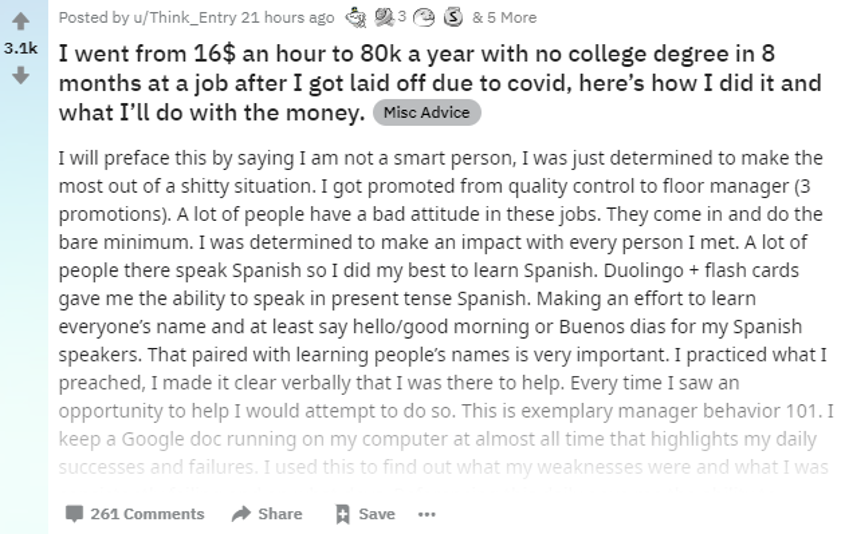
5 Job Skills You Will Need in [year]

Job Skills

Even without a global pandemic at hand, the world of work is already in a constant flux. Add to the mix newfound technology, and most of us have got quite the challenge waiting for us back at our job. How then can job skills help you in [year]?

The skills needed to be successful today differ from what was needed today and what will be required tomorrow. Don’t worry though – here’s an article that shares 5 job skills you will need in [year]! 

1 - Emotional Intelligence

Emotional intelligence

Emotional intelligence ‘is the other kind of smart’, says Travis Bradberry, the co-author of Emotional Intelligence 2.0. It’s an intangible but absolutely necessary quality that helps individuals tune into the kaleidoscope of human emotions.

At work, this job skill will better enable you to connect with your colleagues and employers. Sensing the mood that someone might be in could clue you in on how to approach and interact with them in various social settings. 

The epidemic has presented each of us with our very own set of troubles, and it will only help if we respond to those around us with a little touch of empathy. 

Emotional intelligence, as such, would be the first of 5 job skills you will need for your job in [year]. 

2 - Creativity

Often misunderstood as a quality that only individuals like photographers, directors, writers or artists may need, creativity is a job skill that everyone could acquire to help themselves at work!

With automation taking over many day-to-day functions, many of us may witness somewhat of a levelling effect between different organisations. The differentiating factor will thus, be creativity. 

Creativity could help you solve problems at work in an individualistic and personalised manner as it makes one stand out from another – a very unique quality to take on indeed!

As such, nurturing the quality of creativity is the second job skill we recommend that could help you at work in [year]. 

3 - Adaptability

Job skill: adaptability

The third job skill that we recommend you take a look into is adaptability. 

No doubt it’s a very timely work skill you can take on too. As mentioned in an article published by Forbes.com, “what we’ve learned today will be out of date in two or three years’ time.”

Every individual will need to build their flexibility and adaptability skills as this will allow them to better prepare for the work that they might have to take on the future, with the new ways of doing things. 

As such, adaptability is the third job skill that could help you tackle any issues at your workplace in [year]. 

Critical Thinking

Almost a timeless work quality to be acquired, critical thinking is one skill that many employers will be glad to see in their colleagues. 

Most of us have probably heard this term many times too, but what exactly does it mean? Well, critical thinking refers to the ability to use logic and reasoning to interrogate an issue or problem, while considering various solutions and weighing the pros and cons of each approach. 

As a quality that promises to handle multiple issues at work, it is indeed a commendable job skill to learn these days!

Critical thinking – that’s the fourth job skill that could also help you on your job in [year]. 

5 - Data Literacy

Last but not least, the fifth job skill one should try to get on his/her belt is data literacy.

The WEF predicts that data and Artificial Intelligence (AI) will be one of the key drivers of growth in the near future.  

Considering the sheer volume of data that organisations now have to deal with on a daily basis, the growing need for employees who have the job skill of data literacy is pertinent now more than ever. 

Employees who are skilled to sift through the numbers, find actionable insights and use big data to inform business strategy and decisions may be a preferable candidate to one who may not be a data literate. 

And that’s the fifth job skill you can look into acquiring – data literacy! If you’re on the lookout for a job change, this may be one of the qualities that could make you distinct from your competition. 

Job skill: Data literacy

And there you have it – a compiled list of 5 job skills to help you at work during the new normal. We hope this article helps you pick up on some of the more useful and relevant skills of the new generation. 

If you’re on the lookout for jobs within other industries that are nonetheless located in Singapore, here’s an article that shares with you the top 19 job portals in Singapore.

No matter the industry or the position, remember to visit GrabJobs to find a job opportunity with ease in Singapore!